
Combining contrasting flavors often results in some of the most memorable culinary experiences. Among these, the pairing of blue cheese, walnuts, and honey stands out as a sophisticated and harmonious blend that tickles the palate with its captivating balance of savory, nutty, sweet, and tangy notes. This article explores the origins, flavor profiles, culinary applications, and innovative recipes inspired by this classic combination, highlighting its versatility and appeal for those who seek to elevate their gastronomic experience.
- Understanding the Key Ingredients
- Blue Cheese: The Bold and Salty Delight
- Walnuts: The Nutty and Textural Contrast
- Honey: The Sweet and Aromatic Touch
- The Flavors in Harmony: How They Interact
- The Chemistry of the Pairing
- Flavor Profiles at a Glance
- Historical and Cultural Context
- The Origins of Blue Cheese
- The Role of Walnuts and Honey in Eurasian Cuisine
- Traditional Uses
- Culinary Applications and Recipes
- Cheese Platter Featuring Blue Cheese, Walnuts, and Honey
- Salads with Blue Cheese, Walnuts, and Honey Dressing
- Ingredients:
- Preparation:
- Blue Cheese and Walnut Tart with Honey Glaze
- Ingredients:
- Preparation:
- The Science Behind the Pairing: Why It Works
- Flavor Chemistry
- Pairing with Beverages
- Health Benefits and Nutritional Aspects
- Blue Cheese
- Walnuts
- Honey
- Innovative Variations and Creative Twists
- Adding Fresh Fruits
- Spicing It Up
- Using Different Nut Varieties
Understanding the Key Ingredients
Blue Cheese: The Bold and Salty Delight
Blue cheese is a type of mold-ripened cheese characterized by its distinctive blue or green veins and a complex flavor profile that ranges from sharp and tangy to creamy and mild. Made using Penicillium cultures, blue cheese has a pungent aroma and a crumbly or creamy texture, depending on the variety. Popular types include Roquefort, Gorgonzola, Stilton, and Danish Blue. Its salty and sharp notes serve as a perfect counterbalance to the sweetness of honey and the nuttiness of walnuts.
Walnuts: The Nutty and Textural Contrast
Walnuts are rich in healthy fats, protein, and essential nutrients. Their slightly bitter, earthy flavor and crunchy texture add depth to the pairing. When toasted, walnuts develop a warm aroma and more intense flavor, enhancing their role in sweet and savory dishes alike. Their versatility makes them a favorite topping and ingredient in salads, desserts, and cheeses.
Honey: The Sweet and Aromatic Touch
Honey is a natural sweetener produced by bees from nectar. It varies widely in flavor, color, and consistency, taking on floral, fruity, or woody notes depending on the source of nectar. Honey acts as a unifying agent in this trio, bringing warmth, sweetness, and a complex aroma that complements blue cheese’s pungency and walnuts’ earthiness.
The Flavors in Harmony: How They Interact
The Chemistry of the Pairing
The pairing of blue cheese, walnuts, and honey exemplifies the classic taste principle of contrast and complementarity. The sharpness and saltiness of blue cheese stimulate the senses, while the sweetness of honey softens the tang and creates a balance. Walnuts provide a crunchy texture and earthy flavor, anchoring the dish with their richness. The interplay of these ingredients results in a multidimensional flavor profile that excites the palate.
Flavor Profiles at a Glance
| Ingredient | Flavor Characteristics | Texture |
|---|---|---|
| Blue Cheese | Sharp, tangy, salty | Creamy to crumbly |
| Walnuts | Nutty, slightly bitter, earthy | Crispy, crunchy |
| Honey | Sweet, floral, fragrant | Viscous, smooth |
Historical and Cultural Context
The Origins of Blue Cheese
Blue cheese has ancient roots, with evidence of its production dating back over a thousand years. Its origins are traditionally linked to regions in France, Italy, and Denmark where environmental conditions and traditional methods fostered the development of mold-ripened cheeses. Over centuries, blue cheese became a symbol of artisanal craftsmanship and regional identity, celebrated in culinary traditions worldwide.
The Role of Walnuts and Honey in Eurasian Cuisine
Walnuts have been cultivated for thousands of years, originating in Persia and spreading throughout the Mediterranean, Central Asia, and Europe. They are often associated with health benefits and luxury foods. Honey, equally ancient, has been prized as a natural sweetener and medicinal substance across various cultures. In classical and medieval cuisine, the combination of cheeses, nuts, and honey was considered a luxurious and festive fare, often served during celebrations and banquets.
Traditional Uses
- Cheese platters showcasing regional cheeses and accompaniments
- Sweets and desserts combining honey and nuts with dairy products
- Appetizers and finger foods for social gatherings
Culinary Applications and Recipes
Cheese Platter Featuring Blue Cheese, Walnuts, and Honey
The simplest way to enjoy this pairing is on a cheese platter. Arrange slices of blue cheese, toasted walnuts, and a small jar of high-quality honey. Serve alongside crusty bread, crackers, dried fruits, and fresh figs or grapes. This provides a delightful mix of textures and flavors, perfect for wine nights or elegant gatherings.
Salads with Blue Cheese, Walnuts, and Honey Dressing
Transform a basic salad into a gourmet experience by adding crumbled blue cheese, toasted walnuts, and a honey-based vinaigrette. Here’s a sample recipe:
Ingredients:
- Fresh mixed greens (arugula, spinach, lettuce) – 200g
- Blue cheese, crumbled – 100g
- Walnuts, toasted – 50g
- Honey – 2 tablespoons
- Olive oil – 3 tablespoons
- Balsamic vinegar – 1 tablespoon
- Salt and pepper – to taste
Preparation:
- In a small bowl, whisk together honey, olive oil, balsamic vinegar, salt, and pepper to create the dressing.
- In a large salad bowl, toss greens with the dressing.
- Add crumbled blue cheese and toasted walnuts on top.
- Serve immediately for a fresh and flavorful salad.
Blue Cheese and Walnut Tart with Honey Glaze
This savory tart combines the richness of blue cheese and crunchiness of walnuts, finished with a honey glaze for a sweet touch.
Ingredients:
- Pie crust – 1 prepared or homemade
- Blue cheese – 200g
- Walnuts, chopped – 100g
- Eggs – 3
- Heavy cream – 200ml
- Honey – 3 tablespoons
- Salt and pepper – to taste
Preparation:
- Preheat oven to 180°C.
- Spread blue cheese and walnuts evenly over the pie crust.
- Whisk eggs, heavy cream, honey, salt, and pepper, then pour over the cheese and nuts.
- Bake for about 30-35 minutes until golden and set.
- Before serving, brush the top with additional honey for a shiny, sweet glaze.
The Science Behind the Pairing: Why It Works
Flavor Chemistry
The success of this pairing relies on sensory contrast and biochemical interactions. The acidity and pungency of blue cheese activate taste receptors that respond to sharp flavors. The sweetness of honey neutralizes some of the pungency, making the flavor more balanced. Walnuts add a fatty, umami component, enhancing the overall sensory experience. Moreover, texture contrast—creamy cheese, crunchy nuts, and viscous honey—heightens enjoyment by engaging multiple senses.
Pairing with Beverages
Traditional beverage pairings for blue cheese, walnuts, and honey include:
- Sweet white wines (e.g., Sauternes, Port)
- Fortified wines (e.g., Madeira, Sherry)
- Full-bodied reds (e.g., Cabernet Sauvignon)
- Dark beers or stouts
Choosing the right drink can further enhance the flavor harmony, elevating the overall gastronomic pleasure.
Health Benefits and Nutritional Aspects
Blue Cheese
- Rich in calcium and protein
- Contains beneficial probiotics (if unpasteurized)
- High in sodium and fats; should be consumed in moderation
Walnuts
- Excellent source of omega-3 fatty acids
- May improve heart health and cognitive function
- High in antioxidants and vitamins
Honey
- Natural antimicrobial properties
- Rich in antioxidants
- Providing quick energy and soothing sore throats
Innovative Variations and Creative Twists
Adding Fresh Fruits
Incorporate slices of pears, figs, or apples to add freshness and sweetness, creating a more complex flavor profile.
Spicing It Up
Sprinkle black pepper, chili flakes, or smoked paprika onto the cheese or nuts to introduce a spicy kick that complements the tanginess of blue cheese.
Using Different Nut Varieties
Experiment with pecans, almonds, or hazelnuts for varied textures and flavors.
The pairing of blue cheese, walnuts, and honey epitomizes a culinary marriage of contrasting flavors—salty and sweet, sharp and nutty—that together create an extraordinary tasting experience. From traditional cheese platters to innovative recipes, this combination offers endless opportunities to explore diverse textures and flavors. Whether served as an appetizer, part of a salad, or a decadent tart, it exemplifies how simple ingredients can combine to produce a sophisticated and memorable dish, appealing to both casual food lovers and connoisseurs alike.
In the world of gastronomy, understanding the science and history behind such pairings enhances appreciation and inspires creative experimentation. Embracing this harmonious trio can elevate any meal and offer a delightful journey into the rich tapestry of flavors that the culinary arts have to offer.
Похожие записи:
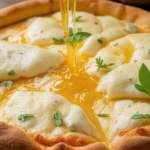 Four Cheese Blend with a Drizzle of Honey for a Perfect Sweet-Savory Pizza Experience
 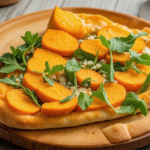 Sweet Potato Slices, Arugula, and Blue Cheese for a Sophisticated Bite: Elevating Pizza Toppings to Gourmet Levels
  Sweet and Savory: Caramelized Apples and Goat Cheese on Pizza Buffalo Chicken with Celery and Blue Cheese Crumbles: A Spicy Kick in Every Bite
  Sweet Fig, Prosciutto, and Balsamic Glaze: An Exquisite Gourmet Touch
  Sweet Corn, Monterey Jack, and Chopped Jalapeños for a Crunchy Kick: Elevate Your Pizza Game Vegan Cheese, Spinach, and Sun-Dried Tomatoes for a Plant-Based Treat: The Perfect Pizza Topping Combination Discover the Art of Incorporating Unique Toppings: Fruits and Nuts for Pizza Perfection
  Korean BBQ-Inspired Toppings with Marinated Beef and Kimchi: A Fusion of Flavors Roasted Garlic, Artichoke Hearts, and Parmesan Cheese for a Savory Experience: A Gourmet Twist in Pizza Making
  Caprese-Inspired Pizza with Fresh Mozzarella, Basil, and Balsamic Reduction: A Delicious Twist on Classic Flavors Thai-Inspired Pizza with Peanut Sauce, Shredded Chicken, and Carrots: A Fusion of Flavors BBQ Chicken with Red Onions and Cilantro for a Smoky Taste: A Guide to Perfect Grilled Chicken
  Choosing the Right Cheese Blends for Melting Excellence: The Ultimate Guide
 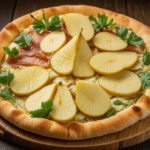 Pear, Prosciutto, and Gorgonzola: A Gourmet Flavor Profile for Sophisticated Pizzas Seafood Sensation: Exploring the Delicious World of Smoked Salmon, Capers, and Cream Cheese