
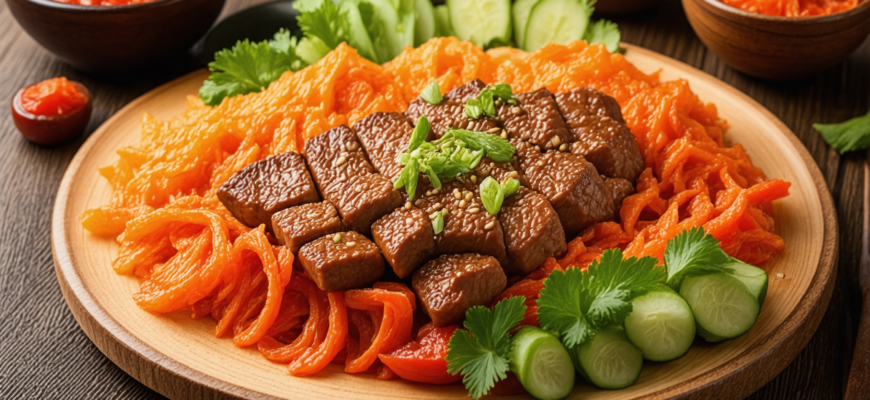
In recent years, culinary trends have increasingly embraced fusion cuisine—blending traditional flavors from different cultures to create unique and tantalizing dishes. One of the most exciting intersections has been the incorporation of Korean flavors into various dishes beyond their traditional setting, including the beloved pizza. Combining the savory, marinated beef with the tangy, spicy kimchi, inspired by Korean BBQ, creates a flavor profile that excites the palate and offers a new dimension to pizza selections. This comprehensive guide explores the origins of Korean BBQ-inspired toppings, marinated beef preparation, kimchi’s role in the flavor profile, and how these elements can harmoniously come together on a pizza.
- Table of Contents
- Introduction to Korean-inspired Pizza Toppings
- The Essence of Korean BBQ Flavors
- Understanding Korean BBQ
- Key Flavor Components
- Popular Korean Grill Sauces
- Marinated Beef: The Heart of the Topping
- Choosing the Right Cut
- Preparation of Marinated Beef
- Marinade Formula
- Marination Process
- Kimchi: The Flavorful Accent
- What is Kimchi?
- Types of Kimchi for Pizza Toppings
- Kimchi Preparation and Serving
- Combining Marinated Beef and Kimchi on Pizza
- Flavor Harmony
- Texture and Visual Appeal
- Balancing Other Ingredients
- Step-by-Step Recipe for Korean BBQ-Inspired Pizza Toppings
- Ingredients
- Preparation Steps
- Health Benefits and Nutritional Aspects
- Nutritional Highlights
- Calorie and Macronutrient Breakdown
- Cultural Background of Korean Flavors
- Tips for Perfecting the Toppings
- Recommended Pairings and Variations
- Additional Vegetables
- Cheese Variations
- Alternative Proteins
- Spicy and Sweet Sauces
- Conclusion
Table of Contents
- Introduction to Korean-inspired Pizza Toppings
- The Essence of Korean BBQ Flavors
- Marinated Beef: The Heart of the Topping
- Kimchi: The Flavorful Accent
- Combining Marinated Beef and Kimchi on Pizza
- Step-by-Step Recipe for Korean BBQ-Inspired Pizza Toppings
- Health Benefits and Nutritional Aspects
- Cultural Background of Korean Flavors
- Tips for Perfecting the Toppings
- Recommended Pairings and Variations
- Conclusion
Introduction to Korean-inspired Pizza Toppings
Pizza, traditionally an Italian dish, has evolved into a global canvas for culinary experimentation. Across continents, chefs and home cooks alike have adopted local ingredients and flavors to craft innovative toppings. Korean-inspired pizza toppings are among the most popular recent trends, harnessing the bold and complex flavors typical of Korean cuisine. The pairing of marinated beef and kimchi introduces a savory, spicy, and tangy profile that stands out among more traditional options. This fusion approach not only broadens the horizons of pizza lovers but also provides an opportunity to enjoy authentic Korean flavor profiles in a familiar form.
The Essence of Korean BBQ Flavors
Understanding Korean BBQ
Korean BBQ is renowned worldwide for its distinctive grilling style and rich flavors. It typically features thin slices of meat—most commonly beef, pork, or chicken—that are marinated in a mixture of soy sauce, sugar, sesame oil, garlic, ginger, and other spices before being grilled. The resultant meat is tender, flavorful, and often topped with an array of accompaniments such as kimchi, pickled vegetables, and spicy sauces.
Key Flavor Components
| Flavor Element | Description |
|---|---|
| Umami | Rich savory taste from soy sauce and fermented ingredients |
| Slight sweetness | Added via sugar or honey in the marinade |
| Garlic & Ginger | Provide depth and spiciness |
| Sesame | Nutty aroma that enhances flavor |
| Spice & Heat | Incorporated through gochujang (Korean chili paste) or pepper |
Popular Korean Grill Sauces
- Gochujang-based sauce: Sweet and spicy chili paste that adds complexity.
- Sesame oil and soy blend: A simple marinade that emphasizes umami and aroma.
- Spicy marinade: Combining gochugaru (chili powder), garlic, and ginger.
Marinated Beef: The Heart of the Topping
Choosing the Right Cut
For pizza, selecting tender cuts like ribeye, sirloin, or tenderloin results in more flavorful and tender slices. Thin slicing enhances marination absorption and ensures even cooking and integration with other toppings.
Preparation of Marinated Beef
The marinade forms the foundation of flavor—artfully balancing savory, sweet, spicy, and aromatic elements. Here’s a standard marinade formula:
Marinade Formula
Marinade = Soy sauce (50%) + Gochujang (20%) + Sesame oil (10%) + Garlic & Ginger (15%) + Sugar or Honey (5%)
In practical terms, for 1 kg of beef:
- 5 tbsp soy sauce
- 2 tbsp gochujang
- 1 tbsp sesame oil
- 3 cloves garlic, minced
- 1 inch ginger, grated
- 1 tsp sugar or honey
Marination Process
- Mix all marinade ingredients thoroughly.
- Slice beef very thinly against the grain to maximize tenderness.
- Immerse beef slices in marinade, ensuring complete coverage.
- Cover and refrigerate for at least 1 hour, ideally up to 4 hours for maximum flavor infusion.
- Cook briefly at high heat—either pan-fried or grilled—until just cooked through.
Kimchi: The Flavorful Accent
What is Kimchi?
Kimchi is a traditional Korean fermented vegetable dish, most commonly made from Napa cabbage and radishes, seasoned with chili powder, garlic, ginger, and fish sauce. It’s known for its complex sour, spicy, and umami flavors and serves as both a staple condiment and a flavor enhancer.
Types of Kimchi for Pizza Toppings
- Classic Napa Cabbage Kimchi: Tangy and crunchy, ideal for toppings.
- Radish Kimchi (Kkakdugi): Adds texture and mild spiciness.
- Cucumber Kimchi: Light and fresh, suitable for a more refreshing flavor.
Kimchi Preparation and Serving
For pizza, use well-fermented, shredded kimchi. It adds a fermented tang and spice that complements grilled beef. Before topping, drain excess liquid to prevent sogginess, but keep some of the juices to enhance flavor synergy.
Combining Marinated Beef and Kimchi on Pizza
Flavor Harmony
The pairing of marinated beef and kimchi offers an engaging combination: the smoky, savory goodness of grilled beef blends with the fermented heat and tanginess of kimchi. Together, they create a balanced umami profile, tangy brightness, and spicy warmth—all desirable elements in fusion cuisine.
Texture and Visual Appeal
- Textural contrast: Tender beef slices paired with crunchy kimchi add layer upon layer of mouthfeel.
- Colorful presentation: The deep reds, greens, and browns make for an visually appealing topping.
Balancing Other Ingredients
To enhance these flavors, consider adding:
- Thinly sliced green onions or scallions
- Several sprigs of fresh cilantro for freshness
- Garlic aioli or spicy mayo drizzle
- Sesame seeds sprinkled on top
Step-by-Step Recipe for Korean BBQ-Inspired Pizza Toppings
Ingredients
| Component | Quantity |
|---|---|
| Pizza dough (pre-made or homemade) | 1 base (about 30 cm diameter) |
| Marinated beef (thin slices) | 150–200 g |
| Kimchi (drained and shredded) | 100 g |
| Cheese (mozzarella or blend) | 200 g |
| Green onions | 2 stalks, sliced |
| Sesame seeds | 1 tbsp (optional) |
| Sauce (optional): Gochujang mayo | 2 tbsp mixed with 2 tbsp mayonnaise |
Preparation Steps
- Preheat oven: Set oven to 220°C (430°F). Place a baking stone or baking sheet inside to heat.
- Prepare toppings: Cook marinated beef slices briefly at high heat until just done.
- Assemble the pizza: Roll out the dough on parchment paper. Spread a light layer of gochujang mayo if using.
- Add cheese: Sprinkle uniformly over the dough.
- Layer toppings: Distribute the cooked beef evenly across the pizza. Spread shredded kimchi over the beef. Add sliced green onions.
- Bake: Slide the assembled pizza onto the hot baking surface. Bake for 12–15 minutes or until the crust is golden and cheese bubbly.
- Garnish: Sprinkle sesame seeds and additional green onions before serving.
Health Benefits and Nutritional Aspects
Nutritional Highlights
The combination of fermented vegetables and lean beef offers a range of health benefits:
- Probiotics from kimchi: Aid digestion and boost gut health.
- Protein-rich beef: Supports muscle repair and immune function.
- Antioxidants: Ingredients like garlic and ginger in marinade provide anti-inflammatory properties.
- Healthy fats: Sesame oil and seeds contribute monounsaturated fats.
Calorie and Macronutrient Breakdown
| Nutrient | Approximate Content per Serving (1 slice) |
|---|---|
| Calories | 250–300 kcal |
| Protein | 12–15 g |
| Carbohydrates | 30–35 g |
| Fats | 10–15 g |
Cultural Background of Korean Flavors
Korean cuisine is characterized by its bold flavors, fermentation traditions, and emphasis on balance. Kimchi, as a fermented vegetable, embodies the umami and probiotic benefits deeply rooted in Korean history. Korean BBQ, or Gogigui, exemplifies communal dining, emphasizing shared experiences over grilled meats marinated in savory sauces. As fusion dishes like pizza with Korean toppings emerge globally, they reflect a broader culinary acceptance and curiosity about Korean culture.
Tips for Perfecting the Toppings
- Marination time: Longer marination—up to 4 hours—yields deeper flavor but avoid over-marinating, which can make beef overly soft or mushy.
- Kimchi moisture management: Drain kimchi thoroughly to prevent a soggy pizza crust, but retain some juices for flavor.
- Cooking beef: Brief high-heat searing preserves tenderness and flavor integration.
- Temperature management: Use high oven temperatures for a crispy crust and properly melted cheese.
- Presentation: Garnish with fresh herbs, sesame seeds, or additional kimchi for visual appeal.
Recommended Pairings and Variations
Additional Vegetables
- Thin slices of mushrooms
- Bell peppers for sweetness
- Pickled radish strips
Cheese Variations
- Goat cheese for tanginess
- Cheddar for sharper flavor
- Blend of mozzarella and provolone for melting quality
Alternative Proteins
- Spicy chicken strips marinated in Korean seasonings
- Tofu for vegetarian options
Spicy and Sweet Sauces
Adding a drizzle of honey or hot chili oil can heighten sweetness or spiciness, making the pizza even more dynamic.
Conclusion
Fusion cuisine, especially combining Korean BBQ-inspired flavors with pizza, exemplifies culinary innovation that embraces cultural diversity and gastronomic creativity. Marinated beef and kimchi are two powerful ingredients that, when thoughtfully prepared and paired, create a memorable dish bursting with savory, spicy, and tangy notes. This approach not only broadens the traditional pizza repertoire but also introduces food enthusiasts to the complex yet harmonious flavors of Korean cuisine. Experimenting with these ingredients offers endless possibilities for customizing a dish that delights both traditional pizza lovers and adventurous eaters alike. Embrace the fusion, and enjoy a culinary journey that bridges continents on a single slice.
Похожие записи:
 Japanese Okonomiyaki with Pizza-Like Toppings: A Fusion of Flavors and Culinary History
  South African Queen Pizza with Local Flavors: A Tasty Fusion of Tradition and Innovation
  Brazilian Pizza with Unique Tropical Ingredients: A Delicious Fusion of Flavors
  The Influence of World Cuisines on Pizza Toppings: A Global Culinary Journey
  Mediterranean Medley: Olives, Sun-Dried Tomatoes, and Feta Cheese – A Flavorful Journey into Mediterranean Pizza Toppings
  Sweet Potato Slices, Arugula, and Blue Cheese for a Sophisticated Bite: Elevating Pizza Toppings to Gourmet Levels
  Irish Potato Bread Topped with Smoked Salmon: A Delicious Fusion of Tradition and Elegance
  Discovering Czech Pizza: Delicious Variations and Traditional Toppings
  Maltese Ftira with Local Flavors: A Delicious Twist on Traditional Pizza
  Discover the Bold Flavors of Serbian Pizza with Spicy Sausage and Peppers
  Mexican Tlayuda and Its Rustic Toppings: A Deep Dive into a Unique Culinary Tradition
  Discover the Perfect Georgian Mchadi with Toppings: A Delicious Traditional Bread to Complement Every Meal
  Swedish Spritz with Its Thin Crust and Savory Toppings: A Delicious Twist in Pizza Styles
  Mastering the Art of Evenly Cooked Pizza Toppings Without Burning the Crust
  Perfectly Pairing Your Pizza with Delicious Side Dishes: A Complete Guide
  Pear, Prosciutto, and Gorgonzola: A Gourmet Flavor Profile for Sophisticated Pizzas