
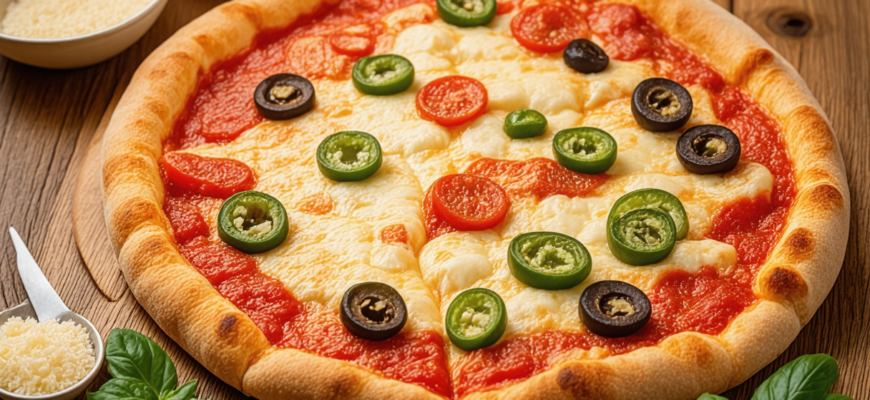
Pizza has long been a beloved dish enjoyed worldwide, with countless variations tailored to different tastes and cultural preferences. Among its key ingredients, cheese holds a central position, not only contributing to the flavor and texture but also significantly influencing the nutritional profile of the final dish. Different types of cheese bring unique properties, ranging from calorie content to mineral composition, which can alter the health benefits and dietary considerations associated with pizza.
Understanding how various cheese types affect pizza’s nutritional value is essential for those seeking healthier options, dietary restrictions, or simply wanting to diversify their culinary experience. This article explores the impact of different cheese varieties on pizza’s nutritional profile, examining their macronutrients, micronutrients, and potential health implications.
- Types of Cheese Commonly Used on Pizza
- Macronutrient Contributions of Different Cheese Types
- Calories and Fat Content
- Protein Content and Its Role
- Micronutrient Contributions and Health Aspects
- Calcium and Phosphorus
- Sodium Levels
- Other Micronutrients
- Influence of Cheese Types on the Overall Nutritional Profile of Pizza
- Balancing Flavor and Health
- Popular Combinations and Their Nutritional Impacts
- Sample Cheese Mix for Healthier Pizza
- Impact of Cheese Processing and Dietary Preferences
- Processed vs. Natural Cheeses
- Dietary Restrictions and Alternatives
- Practical Recommendations for Healthier Pizza
Types of Cheese Commonly Used on Pizza
The choice of cheese impacts both flavor and nutrition. Here are some of the most popular cheese varieties used on pizza:
- Mozzarella – Classic, mild-tasting cheese with excellent melting properties.
- Cheddar – Sharp flavor, adds color and richness.
- Parmesan – Hard, aged cheese, used typically as a finishing touch.
- Provolone – Smoked or plain, similar to mozzarella but with a more complex flavor.
- Feta – Crumbly and tangy, adding a Mediterranean flavor.
- Cream cheese – Adds creaminess, often used in white sauces or specialty pizzas.
Each cheese type has distinct characteristics affecting the nutritional profile of pizza, particularly regarding fat content, protein, calcium, sodium, and other micronutrients.
Macronutrient Contributions of Different Cheese Types
Calories and Fat Content
One of the primary nutritional considerations in cheese is its calorie and fat content. Here is a comparison table illustrating the approximate values per 100 grams of some popular cheeses:
| Cheese Type | Calories (kcal) | Total Fat (g) | Saturated Fat (g) | Protein (g) |
|---|---|---|---|---|
| Mozzarella (whole milk) | 280 | 17 | 11 | 20 |
| Cheddar | 400 | 33 | 21 | 25 |
| Parmesan | 431 | 29 | 18 | 38 |
| Feta | 264 | 21 | 14 | 14 |
| Cream cheese | 350 | 34 | 21 | 6 |
From the table, it is evident that cheeses like Cheddar and Parmesan are high in calories and saturated fats, which can influence the overall caloric density of the pizza. Mozzarella, being relatively moderate, is often preferred for balanced nutrition.
Protein Content and Its Role
Protein is vital for muscle repair, immune function, and satiety. Cheese provides a significant portion of dietary protein in pizza, with Parmesan leading in concentration. Including more protein-rich cheese varieties can increase the satiety factor, making pizza more filling while potentially moderating overall caloric intake.
Micronutrient Contributions and Health Aspects
Calcium and Phosphorus
Calcium is essential for bone health, and cheeses are excellent sources. Parmesan and cheddar are especially rich in calcium, with content per 100 grams as follows:
- Parmesan – approximately 1,200 mg
- Cheddar – approximately 700 mg
- Mozzarella – approximately 730 mg
- Feta – approximately 490 mg
The high calcium content enhances the nutritional value of pizza, especially for individuals with dietary calcium needs.
Sodium Levels
Sodium is another critical factor, with excessive intake linked to hypertension. Cheeses like feta and cheddar tend to be high in sodium, which can significantly increase the salt content of pizza. Here are approximate values per 100 grams:
- Cheddar – 1,800 mg
- Feta – 1,200 mg
- Mozzarella – 450 mg
- Parmesan – 1,500 mg
Lower-sodium cheese options or moderation in cheese quantity can help mitigate excessive salt intake.
Other Micronutrients
Cheddar and Parmesan are rich in phosphorus, zinc, and B-vitamins, which support metabolic functions and immune health. Nonetheless, overconsumption of high-fat cheeses can lead to increased saturated fat intake, raising cardiovascular risk.
Influence of Cheese Types on the Overall Nutritional Profile of Pizza
Balancing Flavor and Health
Each cheese type influences pizza’s nutritional profile differently. For health-conscious consumers, balancing cheese varieties and quantities is crucial. For example:
- Using a moderate amount of mozzarella provides flavor and nutrients without excessive calories or saturated fat.
- Adding sharp cheeses like Parmesan or aged cheeses in small quantities enhances flavor while bolstering calcium and protein intake.
- Inclusion of lower-sodium cheeses or cheese alternatives can reduce sodium content.
Popular Combinations and Their Nutritional Impacts
Many pizzerias and recipes combine multiple cheese types. Here is an example of a balanced cheesy blend:
Sample Cheese Mix for Healthier Pizza
- 40% Mozzarella – moderates calories and fat; provides essential calcium and protein.
- 30% Parmesan – boosts flavor and micronutrients; used sparingly.
- 20% Feta – adds tanginess and magnesium; used as a topping or crumble.
- 10% Cheddar – for richness, keeping portion size small to control calories.
This combination offers flavor complexity while maintaining a reasonable nutritional balance.
Impact of Cheese Processing and Dietary Preferences
Processed vs. Natural Cheeses
Processed cheeses often contain additives, emulsifiers, and higher sodium levels, which can alter nutritional benefits and health impacts. Natural cheeses, especially aged varieties, tend to have fewer additives and higher nutrient density.
Dietary Restrictions and Alternatives
For those with lactose intolerance or dairy allergies, plant-based cheese alternatives are available. While these often differ in nutritional content, some are fortified with calcium and vitamins. However, their fat and sodium levels vary depending on formulation.
Practical Recommendations for Healthier Pizza
- Opt for lower-fat cheese options such as part-skim mozzarella.
- Use cheese sparingly to curb calorie, fat, and sodium intake.
- Combine cheese with nutrient-rich toppings like vegetables and lean proteins.
- Consider adding herbs and spices to enhance flavor without extra calories.
- Experiment with cheese blends to find a balance between taste and health benefits.
The choice of cheese significantly influences the nutritional profile of pizza. While cheese provides essential nutrients like calcium, protein, and vitamins, it also contributes to calorie, fat, and sodium content. Understanding the nutritional properties of different cheese types enables better dietary choices, whether aiming for health, managing restrictions, or enhancing flavor.
Adopting strategies such as moderate cheese usage, selecting lower-sodium or lower-fat variants, and combining cheeses thoughtfully can make pizza both delicious and health-conscious. With awareness and balanced planning, pizza can remain a versatile and enjoyable dish for every taste while supporting overall health and nutrition objectives.
Похожие записи:
 Unlocking the Secrets of Traditional Pizza: Nutritional Components and Their Impact on Health
  Pear, Prosciutto, and Gorgonzola: A Gourmet Flavor Profile for Sophisticated Pizzas
  Lebanese Manakish with Za’atar and Cheese: A Delicious Twist on Traditional Pizzas
 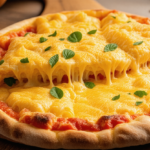 Choosing the Right Cheese Blends for Melting Excellence: The Ultimate Guide
 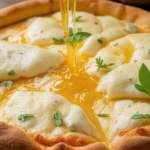 Four Cheese Blend with a Drizzle of Honey for a Perfect Sweet-Savory Pizza Experience
 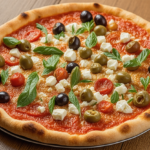 Mediterranean Medley: Olives, Sun-Dried Tomatoes, and Feta Cheese – A Flavorful Journey into Mediterranean Pizza Toppings
  The Impact of Social Media on Pizza Marketing and Popularity
 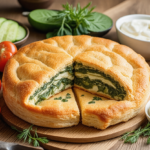 Albanian Flia with Layered Fillings: A Delicious Twist on Traditional Pizzas
  Sweet Potato Slices, Arugula, and Blue Cheese for a Sophisticated Bite: Elevating Pizza Toppings to Gourmet Levels
  Creating Flavorful and Colorful Veggie-Based Pizzas: A Guide to Delicious, Healthy, and Vibrant Pies
  Lemon Zest, Mozzarella, and Fresh Herbs for a Refreshingly Citrus Twist in Gourmet Pizzas
  Scandinavian Rye-Based Flatbread Pizzas: A Delicious Twist on Traditional Pizza
  The Journey of Creating Vegan Cheese for Pizza: From Concept to Slice
  Mastering the Art of Stuffed Crusts: Techniques for Making Delicious Pizzas at Home
  California-Inspired Pizzas: Fresh Avocado, Sprouts, and Lemon Zest for Every Taste
  Mastering Restaurant-Quality Pizzas at Home: The Ultimate Guide to Using a Pizza Stone