
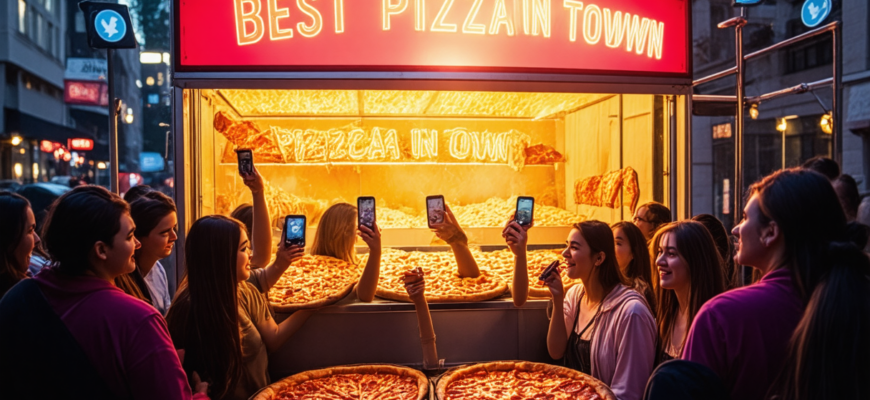
In recent years, social media has revolutionized the way food products are marketed and consumed worldwide. Among the many culinary delights that have benefited from this digital transformation, pizza stands out as a prime example. Its popularity surged globally, thanks in large part to the dynamic and engaging strategies employed on platforms like Instagram, Facebook, TikTok, and Twitter. This comprehensive article explores the profound influence of social media on pizza marketing and how it has contributed to the soaring popularity of this beloved dish across diverse cultures and demographics.
- Introduction to Social Media’s Role in Food Marketing
- The Evolution of Pizza Marketing in the Digital Age
- Pre-Social Media Era
- Rise of Digital Platforms
- How Social Media Enhances Pizza Marketing
- Visual Content and Appetite Appeal
- User-Generated Content and Viral Campaigns
- Influencer Collaborations
- Real-Time Engagement and Customer Interaction
- Case Studies: Social Media Campaigns Transforming Pizza Popularity
- Domino’s Pizza: Digital Innovation and Customer Engagement
- Pepperoni Pizza’s Viral TikTok Challenge
- The Power of Visual Content: The Art of Pizza Photography
- Best Practices in Capturing Delicious Pizza Shots
- Impact of Visual Content on Consumer Choices
- The Role of Hashtags and Viral Trends in Pizza Popularity
- Strategies for Using Hashtags Effectively
- Viral Challenges and Trends
- Social Media Influencers and Their Impact on Pizza Trends
- Types of Influencers
- Strategies for Collaborations
- Data and Analytics: Measuring Success in Social Media Campaigns
- Key Metrics
- Tools for Data Analysis
- The Future of Social Media in Pizza Marketing
- Emerging Technologies and Trends
- Challenges and Considerations
Introduction to Social Media’s Role in Food Marketing
Social media platforms serve as powerful tools for businesses to reach vast audiences quickly and effectively. They enable brands to create engaging content, foster brand loyalty, and influence consumer behavior. For the pizza industry, social media provides opportunities for storytelling, visual showcasing, user interaction, and viral campaigns. These elements collectively drive brand recognition and consumer engagement, translating into increased sales and popularity.
The Evolution of Pizza Marketing in the Digital Age
Pre-Social Media Era
Before the advent of social media, pizza marketing relied heavily on traditional channels such as television, radio, and print advertising. Strategies included print coupons, billboard ads, and TV commercials. While effective to some extent, these methods lacked the immediacy and interactivity present today.
Rise of Digital Platforms
With the emergence of platforms like Facebook (2004), Instagram (2010), and TikTok (2016), pizza brands transitioned toward digital marketing. They began creating shareable content, engaging directly with customers, and leveraging user-generated content. This shift allowed for more targeted and cost-effective campaigns, fostering a closer connection with consumers.
How Social Media Enhances Pizza Marketing
Visual Content and Appetite Appeal
One of the most significant advantages of social media is the ability to showcase mouth-watering images and videos of pizzas. High-quality photos highlighting melting cheese, colorful toppings, and creative crust designs stimulate viewers’ appetite and desire to try different varieties.
User-Generated Content and Viral Campaigns
Encouraging customers to share their pizza experiences creates authentic promotion and fosters community. Hashtags, contests, and challenges incentivize sharing, leading to viral content that amplifies brand visibility.
Influencer Collaborations
Partnering with food bloggers and social media influencers helps reach niche audiences. Influencers often demonstrate creative toppings, unique pizza recipes, or behind-the-scenes glimpses, which boost credibility and interest.
Real-Time Engagement and Customer Interaction
Responding to comments, reposting customer photos, and live streaming events create dynamic interactions. These efforts increase customer loyalty, provide feedback, and enhance brand image.
Case Studies: Social Media Campaigns Transforming Pizza Popularity
Domino’s Pizza: Digital Innovation and Customer Engagement
Domino’s implemented an innovative social media strategy focusing on ease of ordering via social platforms, engaging customers with memes, and running interactive campaigns like the “Pizza Turnaround” initiative. Their chatbot ordering system on Facebook Messenger and Twitter made the process seamless, boosting sales and customer satisfaction.
Pepperoni Pizza’s Viral TikTok Challenge
The chain launched a TikTok challenge encouraging users to showcase their own pizza-making skills with a branded hashtag. The campaign went viral, resulting in millions of views, increased brand recognition, and higher in-store visits.
The Power of Visual Content: The Art of Pizza Photography
Best Practices in Capturing Delicious Pizza Shots
- Use natural lighting to enhance colors and textures.
- Highlight the melting cheese and garnishes.
- Use close-up shots to emphasize details.
- Incorporate ingredients to convey freshness.
- Create a consistent aesthetic aligned with brand identity.
Impact of Visual Content on Consumer Choices
Studies demonstrate that high-quality images significantly influence impulse buying. When consumers see appealing photos online, their desire to order increases, turning online browsing into actual sales.
The Role of Hashtags and Viral Trends in Pizza Popularity
Strategies for Using Hashtags Effectively
- Create memorable, branded hashtags (#Pizzalove, #SliceLife).
- Participate in popular trends to increase reach.
- Encourage customers to use specific hashtags when sharing photos.
- Monitor hashtag performance to optimize campaigns.
Viral Challenges and Trends
Challenges like “Create Your Dream Pizza” or “Slice Art” inspire user participation. These trends foster enthusiasm, generate buzz, and amplify brand visibility organically.
Social Media Influencers and Their Impact on Pizza Trends
Types of Influencers
- Micro-influencers (10K–50K followers): Highly engaged niche audiences.
- Macro-influencers (50K–500K followers): Broader reach with significant influence.
- Celebrity influencers: Massive audiences with substantial promotional impact.
Strategies for Collaborations
- Hosting tasting events or exclusive previews.
- Creating sponsored content and reviews.
- Launching branded hashtag campaigns.
- Organizing giveaways and contests.
Data and Analytics: Measuring Success in Social Media Campaigns
Key Metrics
| Metric | Description |
|---|---|
| Engagement Rate | Percentage of followers interacting with content (likes, comments, shares). |
| Reach | Total number of unique users who saw the content. |
| Impressions | Total number of times the content was displayed. |
| Conversion Rate | Percentage of users taking a desired action (ordering, subscribing). |
Tools for Data Analysis
- Facebook Insights
- Instagram Analytics
- Google Analytics (for tracking referral traffic)
- Third-party tools like Hootsuite, Sprout Social
The Future of Social Media in Pizza Marketing
Emerging Technologies and Trends
- Augmented Reality (AR) experiences—virtual pizza tastings or interactive menus.
- Artificial Intelligence (AI) for personalized recommendations.
- Short-form video dominance, especially on TikTok and Instagram Reels.
- Influencer-guided virtual events or live cooking sessions.
Challenges and Considerations
- Maintaining authenticity amidst sponsored content.
- Managing negative feedback and reviews promptly.
- Adapting to rapidly changing platform algorithms.
- Ensuring consistent branding and quality across campaigns.
Social media has fundamentally transformed how the pizza industry markets its products and connects with consumers. The visual storytelling, interactive campaigns, influencer partnerships, and viral trends all play crucial roles in boosting pizza’s popularity. As digital platforms evolve, so will the strategies to promote and celebrate this timeless dish. Ultimately, social media’s dynamic landscape continues to elevate pizza from a simple meal to a global cultural phenomenon, fueling cravings and inspiring culinary creativity across the world.
By leveraging innovative content formats, data analytics, and community engagement, pizza brands can sustain growth and establish a loyal customer base in an increasingly digital world. The fusion of culinary art and digital marketing fuels an exciting future for pizza lovers and industry professionals alike.
Похожие записи:
 The Marketing Strategies That Popularized Pizza Worldwide
  The Significance of Pizza in Pop Culture and Media
  The Role of Technology in Pizza Delivery Innovations: Transforming the Culinary Experience
  The Fascinating Journey of Pizza Chains and Their Worldwide Growth
  The Spread of Pizza in the United States During the Post-War Era: A Culinary Revolution
  The Rise of Gluten-Free and Vegan Pizza Options: A Delicious Revolution
  The Technological Innovations in Pizza Baking Techniques: Transforming Tradition into Modern Masterpieces
  The Rise of American-Style Pizza in the 20th Century: A Delicious Cultural Transformation
  The Emergence of Gourmet and Artisanal Pizza Chefs: Redefining a Classic Cuisine
  The Influence of Italian Immigrants on Global Pizza Culture
  The Influence of World Cuisines on Pizza Toppings: A Global Culinary Journey
  The Journey of Creating Vegan Cheese for Pizza: From Concept to Slice
  The Role of Local Ingredients in Regional Pizza Recipes: A Culinary Journey Across Cultures
  The Fascinating History of the First Recorded Pizza Recipe: From Ancient Origins to Modern Delight
  The Evolution of New York Thin-Crust Pizza: A Culinary Heritage of Flavor and Tradition
  The Evolution of Pizza Sauce Recipes Over Time: A Delicious Journey Through History