
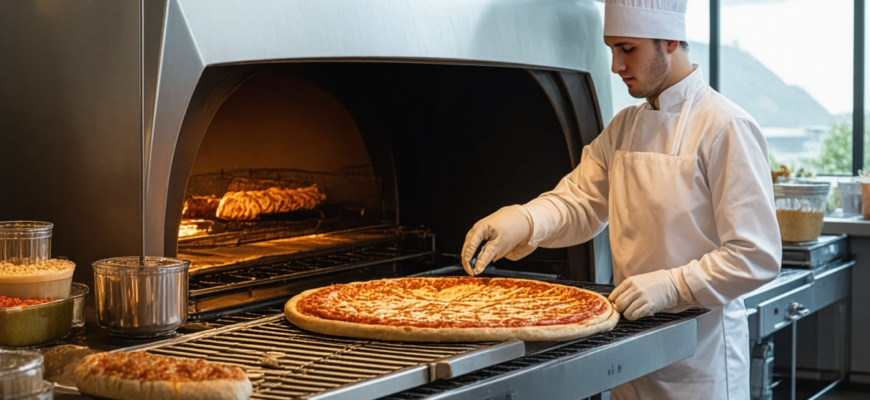
Pizza, one of the most beloved dishes worldwide, has a rich history rooted in centuries-old traditions. However, as culinary science and technology advance, traditional pizza baking methods are being complemented—and in many cases replaced—by innovative techniques that enhance flavor, texture, and efficiency. This comprehensive exploration delves into the latest technological innovations revolutionizing pizza baking, examining how modern equipment, materials, and scientific principles elevate this ancient craft into a sophisticated culinary art.
- The Evolution of Pizza Baking
- Fundamental Principles of Pizza Baking
- Traditional vs. Modern Baking Methods
- Innovations in Pizza Baking Technologies
- High-Temperature, Automation, and Precision Heating
- Examples of Advanced Oven Technologies
- Material Science and Innovative Baking Surfaces
- Advantages of New Materials
- Thermal Imaging and Baking Monitoring Technologies
- Key Benefits
- New Techniques for Dough Preparation and Proofing
- Advantages of Modern Proofing Technologies
- Innovative Toppings and Ingredient Technologies
- Employing Scientific Techniques in Ingredient Preparation
- Impact of Technological Innovations on Pizza Quality and Production
- Enhanced Consistency and Repeatability
- Increased Efficiency and Sustainability
- Customization and Future Trends
- Embracing Innovation to Elevate Pizza Art
- Summary Table of Key Innovations
- References and Further Reading
The Evolution of Pizza Baking
The journey of pizza from rustic street food to gourmet culinary masterpiece has been characterized by continuous innovation. Traditionally, pizza was baked in wood-fired ovens employing naturally occurring heat and simple ingredients. Over time, technological progress introduced gas ovens, conveyor systems, and now, high-tech solutions that optimize the baking process. This evolution has opened new doors for chefs and home bakers alike, leading to more consistent quality, faster production, and refined textures.
Fundamental Principles of Pizza Baking
Before exploring innovations, it is essential to understand the foundational principles of pizza baking:
- Heat Transfer: The process by which heat moves from the oven to the dough, affecting crust crispiness and cheese melting.
- Maillard Reaction: A chemical reaction that browns the crust, giving it color, flavor, and aroma.
- Steam Conductance: Moisture evaporation and retention influence crust texture and dough flexibility.
- Temperature Control: Precise heat regulation ensures uniform baking and desired crust characteristics.
Traditional vs. Modern Baking Methods
| Characteristic | Traditional Method | Modern Innovative Method |
|---|---|---|
| Oven Type | Wood-fired, brick oven | Convection, deck, conveyor, and specialized pizza ovens |
| Temperature Range | 350°C – 450°C | Over 500°C with advanced temperature control systems |
| Cooking Time | 2-5 minutes | 60 seconds to 3 minutes, depending on technology |
| Control & Consistency | Manual monitoring | Automated systems with sensors and programmable settings |
Innovations in Pizza Baking Technologies
High-Temperature, Automation, and Precision Heating
One of the most transformative innovations is the development of high-temperature ovens capable of reaching temperatures exceeding 500°C. These ovens enable pizza to cook rapidly, resulting in a perfect balance of crispy crust and perfectly melted toppings. Automated temperature regulation using sensors and digital controls ensures uniform heat distribution and minimizes inconsistent results, a challenge often faced in traditional methods.
Examples of Advanced Oven Technologies
- Deck Ovens with Infrared Heating: These ovens use infrared technology to deliver intense, focused heat, allowing for precise crust baking.
- Conveyor Ovens with Programmable Settings: Suitable for large-scale production, these ovens handle continuous baking with adjustable temperature zones.
- Hybrid Gas-Electric Ovens: Providing the benefits of both heating methods, these ovens increase efficiency and control.
Material Science and Innovative Baking Surfaces
The use of advanced materials in oven construction has revolutionized pizza baking. Sicilian-style pizza, for example, benefits from baking surfaces made of refractory bricks and stones that mimic traditional wood-fired environments. Modern techniques employ materials like cordierite stone, ceramic composites, and even metal surfaces with specific coatings to maximize heat retention and transfer efficiency.
Advantages of New Materials
- Consistent Heat Distribution: Reduces hot spots, ensuring uniform crust coloration.
- Rapid Heating & Cooling: Enables quick adjustments during baking.
- Enhanced Durability: Longer life span and better thermal cycling performance.
Thermal Imaging and Baking Monitoring Technologies
The integration of thermal imaging cameras and sensors in modern ovens provides real-time data on temperature distribution across the pizza’s surface and crust. This allows bakers to make instant adjustments, improving quality and reducing waste. Such systems are especially valuable in automated and industrial settings, where consistency is crucial.
Key Benefits
- Visual mapping of heat zones
- Automated alerts for uneven baking
- Data logging for process optimization
New Techniques for Dough Preparation and Proofing
Beyond baking, innovations extend to dough handling and fermentation. Controlled environment proofing chambers use precise temperature and humidity controls to optimize yeast activity, leading to superior crust texture and flavor. Additionally, techniques like cold fermentation—where dough ferments slowly in refrigeration—develop complex flavors and improve dough extensibility. These advancements influence the baking process, allowing for better oven performance and final product quality.
Advantages of Modern Proofing Technologies
- Consistent fermentation results
- Enhanced flavor development
- Extended shelf life of dough
Innovative Toppings and Ingredient Technologies
The innovations are not limited to baking equipment but also include ingredient technologies that enhance flavor and texture. Encapsulation, vacuum-sealing, and controlled atmosphere packaging preserve fresh ingredients longer and improve flavor absorption during baking. Specialized cheeses with altered melting points, and high-moisture toppings that retain their integrity under high heat, expand the creative possibilities for pizza chefs.
Employing Scientific Techniques in Ingredient Preparation
- Chemical Coatings: Used on ingredients to control melting behavior and flavor release.
- Hydration Optimization: Adjusting moisture content to influence baking dynamics.
- Redox Control: Managing oxidation to preserve color, flavor, and freshness.
Impact of Technological Innovations on Pizza Quality and Production
Enhanced Consistency and Repeatability
Automation and precise control systems have significantly improved the consistency of pizza quality. Modern ovens and proofing chambers eliminate human error, ensuring each pizza meets high-quality standards regardless of the bakery size or location.
Increased Efficiency and Sustainability
Technological innovations also contribute to faster production cycles, reducing energy consumption and waste. For instance, energy-efficient heating elements and heat recovery systems lower operational costs and environmental impact.
Customization and Future Trends
With digital controls and smart technology, bakers can now customize baking profiles for different pizza styles in real time. Future trends point towards AI-driven ovens that learn and optimize baking processes, and the use of sustainable, environmentally friendly materials in construction and maintenance.
Embracing Innovation to Elevate Pizza Art
The landscape of pizza baking is continually evolving through technological innovations that marry tradition with modern science. From high-temperature, automated ovens to advanced materials and ingredient processing techniques, each development unlocks new culinary possibilities. For pizza enthusiasts and professionals, staying abreast of these advancements provides opportunities to craft exceptional, consistent, and innovative pizzas that cater to every taste and preference. As technology continues to advance, the future of pizza promises even more exciting gastronomic adventures grounded in scientific progress and creative innovation.
Summary Table of Key Innovations
| Innovation Area | Description | |
|---|---|---|
| High-Temperature Ovens | Ovens exceeding 500°C with precise regulation | Faster baking, crisper crust, better flavor development |
| Advanced Materials | Refractory stones, ceramic composites, coatings | Uniform heat, durability, energy efficiency |
| Thermal Imaging & Sensors | Real-time heat monitoring | Consistent quality, reduced waste |
| Automated Proofing & Fermentation | Controlled environment chambers | Flavor, texture, and consistency improvement |
| Ingredient Technology | Encapsulation, controlled atmosphere packaging | Extended freshness, optimized melting |
References and Further Reading
- Smith, J. (2020). Modern Techniques in Pizza Baking. Culinary Science Journal.
- Brown, L. (2019). Materials Science in Food Technology. Food Engineering Review.
- National Pizza Association. (2021). Innovations in Pizza Production. Official Report.
Похожие записи:
 The Role of Technology in Pizza Delivery Innovations: Transforming the Culinary Experience
  The Evolution of New York Thin-Crust Pizza: A Culinary Heritage of Flavor and Tradition
  Roman Pizza al Taglio and Its Rectangular Slices: A Deep Dive into Tradition, Technique, and Tastes
  The Marketing Strategies That Popularized Pizza Worldwide
  Armenian Lahmajoon with Spicy Meat Topping: A Delicious Taste of Tradition
  South African Queen Pizza with Local Flavors: A Tasty Fusion of Tradition and Innovation
  The Emergence of Gourmet and Artisanal Pizza Chefs: Redefining a Classic Cuisine
  The Influence of Italian Immigrants on Global Pizza Culture
  The Rise of Gluten-Free and Vegan Pizza Options: A Delicious Revolution
  Ukrainian Pyrizhky with Savory Fillings: A Delicious Tradition
  Mexican Tlayuda and Its Rustic Toppings: A Deep Dive into a Unique Culinary Tradition
  Irish Potato Bread Topped with Smoked Salmon: A Delicious Fusion of Tradition and Elegance
  Neapolitan Pizza: The Art of Authentic Preparation
  Sicilian Pizza: A Delicious Dive into Thick, Square Slices and Its Rich History
  Swedish Spritz with Its Thin Crust and Savory Toppings: A Delicious Twist in Pizza Styles
  Maltese Ftira with Local Flavors: A Delicious Twist on Traditional Pizza