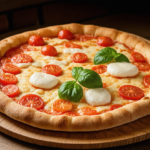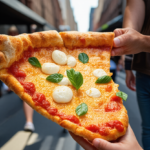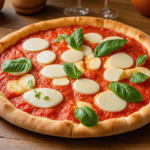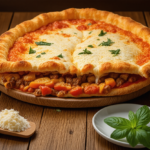
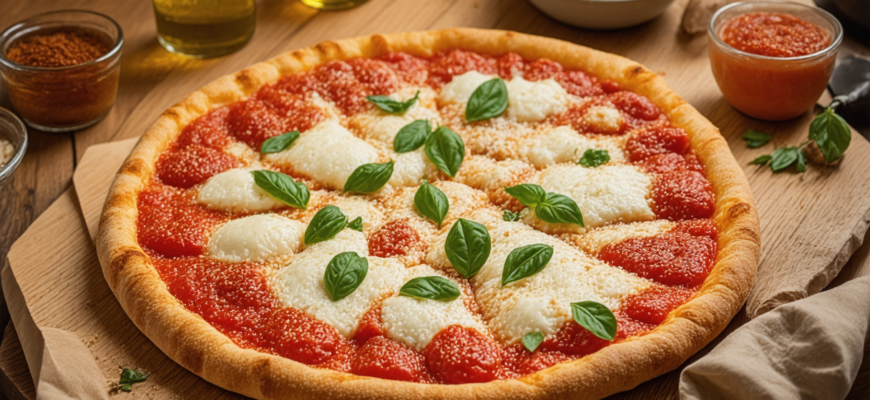
Pizza is universally loved and has evolved into countless regional variations, each with its unique characteristics and flavor profiles. Among these variations, Sicilian pizza stands out for its distinctive thick crust and iconic rectangular shape. Appreciated by many for its hearty texture and rich flavors, Sicilian pizza offers a culinary experience that is both comforting and full of history. This article explores the origins, traditional recipes, preparation techniques, and cultural significance of Sicilian pizza, providing a comprehensive guide for pizza enthusiasts eager to learn about this beloved Italian dish.
- History and Origins of Sicilian Pizza
- The Roots of Sicilian Pizza
- Evolution into Modern Sicilian Pizza
- Key Characteristics of Sicilian Pizza
- Distinctive Features
- Traditional Method of Preparing Sicilian Pizza
- Ingredients for the Classic Sicilian Dough
- Preparation Process
- Shaping and Baking
- Popular Toppings and Variations
- Classic Toppings
- Modern Variations
- Comparing Sicilian Pizza to Other Regional Variations
- Why Sicilian Pizza Continues to Enchant
- Enjoying Sicilian Pizza at Home
- References and Further Reading
History and Origins of Sicilian Pizza
The Roots of Sicilian Pizza
Sicilian pizza, known locally as “sfincione” or “pizza a publicu,” has deep roots in Sicily’s history. The island’s strategic location in the Mediterranean has historically fostered a vibrant culinary mélange, blending Arab, Greek, Norman, and Italian influences. The concept of a thick, hearty bread topped with ingredients dates back centuries and is deeply embedded in Sicilian street food culture.
Traditionally, sfincione was a simple, peasant food—bread baked with seasonal toppings, such as onions, herbs, and anchovies. Over time, these humble beginnings evolved into a more elaborate dish, enjoyed as a communal feast during festivals or as a street food staple. The rectangular, thick-crust style became common due to the ease of baking in large, shallow pans, suitable for both home and bakery ovens.
Evolution into Modern Sicilian Pizza
Modern Sicilian pizza retains much of its traditional essence but has adapted over decades to include a variety of toppings—from simple tomato and cheese to complex combinations with meats, vegetables, and cheeses. The defining features—thick crust, rectangular shape, and rich flavors—have remained consistent, cementing its place in Italian culinary heritage.
Key Characteristics of Sicilian Pizza
Distinctive Features
- Crust: Thick, airy, and crispy on the bottom, soft and doughy inside.
- Shape: Usually baked in a rectangular or square pan, hence the shape is often rectangular or square.
- Toppings: Often includes tomato sauce, cheese, anchovies, onions, strong herbs, and sometimes additional ingredients like sausage, mushrooms, or olives.
- Size: Typically larger and designed for sharing, making it ideal for family meals or gatherings.
- Texture: Contrasts between the crunchy base and soft, flavorful toppings create a multi-sensory experience.
Traditional Method of Preparing Sicilian Pizza
Ingredients for the Classic Sicilian Dough
| Ingredient | Quantity | Notes |
|---|---|---|
| Warm water | 1 1/2 cups (350 ml) | 110°F / 45°C |
| Dry active yeast | 2 1/4 teaspoons (7 g) | Instant or active dry yeast |
| Olive oil | 1/4 cup (60 ml) | Extra virgin preferred |
| Sea salt | 1 teaspoon (5 g) | |
| Flour | 4 cups (500 g) | Type 00 or bread flour |
| Sugar | 1 teaspoon (optional) | Helps activate yeast |
Preparation Process
- Activate the yeast: Mix warm water with a pinch of sugar and yeast. Let stand for 5–10 minutes until foamy.
- Make the dough: In a large bowl, combine the flour, salt, and remaining sugar. Add the activated yeast mixture and olive oil. Mix until combined.
- Knead: Turn the dough onto a floured surface and knead for about 10 minutes until smooth and elastic.
- First rise: Place the dough in a greased bowl, cover with a damp cloth, and let it rise in a warm place for 1 to 2 hours, or until doubled in size.
Shaping and Baking
- Preheat oven to 450°F (230°C). If using a baking stone, place it in the oven to heat as well.
- Grease a rectangular baking pan (preferably 9×13 inches or larger) with olive oil.
- Press the dough into the pan, stretching it to fit evenly. Allow the dough to rise again for about 20 minutes.
- Use your fingertips to dimple the dough, then spread tomato sauce evenly over the surface.
- Sprinkle generously with cheese (traditionally, mozzarella or pecorino), and add toppings of choice.
- Bake for 20–25 minutes, until the crust is golden and crispy on the bottom, and toppings are bubbling.
Popular Toppings and Variations
Classic Toppings
- Tomato sauce: Rich, flavorful base prepared from ripe tomatoes, herbs, and garlic.
- Cheese: Typically mozzarella, but pecorino or caciocavallo are also used.
- Anchovies: Salt-cured fish, a traditional topping adding a savory umami flavor.
- Onions and herbs: Sliced onions, oregano, basil, and thyme are common.
- Additional ingredients: Olives, capers, salami, mushrooms, or bell peppers.
Modern Variations
Innovative chefs have expanded Sicilian pizza options, experimenting with different cheeses, vegan toppings, or gluten-free crusts to cater to various dietary preferences. Despite modern twists, the core characteristics—thick crust, rectangular shape, and rich flavors—remain the defining elements of Sicilian pizza.
Comparing Sicilian Pizza to Other Regional Variations
| Feature | Sicilian Pizza | Neapolitan Pizza | New York-Style Pizza |
|---|---|---|---|
| Crust | Thick, airy, and slightly crispy | Thin, soft, and puffy around the edges | Thin and crispy, but often foldable |
| Shape | Rectangular or square | Round | Large, thin, and round |
| Toppings | Hearty, often layered abundantly | Light, minimalistic | Variety, with abundant cheese and toppings |
| Baking method | Steel or stone oven at high temperature | Wood-fired oven | Conventional oven |
Why Sicilian Pizza Continues to Enchant
Sicilian pizza’s appeal lies in its generous portions, flavorful toppings, and distinctive texture that combines the soft, doughy interior with a crispy crust. Its history reflects the broader cultural influences of Sicily, a melting pot of Mediterranean civilizations. Today, this pizza variant continues to be favored worldwide, appreciated both for its hearty, comfort-food qualities and its adaptability to modern tastes and dietary needs.
Enjoying Sicilian Pizza at Home
By understanding the traditional recipes and preparation techniques, home cooks can recreate authentic Sicilian pizza or adapt it to develop their own signature style. Whether preparing a simple version with tomato, cheese, and herbs or adding creative toppings, capturing the essence of Sicilian pizza is a rewarding culinary adventure.
References and Further Reading
- Sicilian culinary traditions: An overview
- Best pizza dough recipes for thick crusts
- Regional variations of Italian pizza
- Tips for baking crispy pizza crusts at home
In conclusion, Sicilian pizza with its thick, square slices represents a piece of Italy’s rich gastronomic heritage. Its combination of historical depth, hearty ingredients, and distinctive shape makes it a timeless favorite for pizza lovers across the globe. Whether enjoyed in a traditional pizzeria or made at home, Sicilian pizza continues to bring people together around the table, celebrating the flavors of Sicily in every hearty slice.