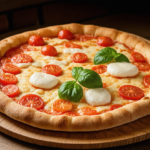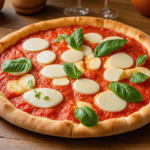
When it comes to world-famous pizza styles, few are as instantly recognizable and beloved as New York-style thin crust pizza. Known for its foldable slices, crispy yet chewy base, and vibrant toppings, this culinary staple has become an icon of American street food and a symbol of New York City itself. Its roots run deep in the city’s diverse history, serving as a delicious reflection of the city’s melting pot culture. In this comprehensive guide, we will explore the origins of New York-style pizza, its characteristic features, its immense street food appeal, and how it has cemented its place in global culinary culture.
- History and Origins of New York-Style Thin Crust Pizza
- The Birth of Pizza in America
- The Evolution to Thin Crust
- Key Milestones in Its Development
- Characteristic Features of New York-Style Thin Crust Pizza
- The Dough and Crust
- Toppings and Flavors
- The Slicing and Serving Style
- The Street Food Appeal of New York-Style Pizza
- The Perfect Street Food Design
- Accessibility and Affordability
- Variety and Customization
- Why New York-Style Pizza Is a Cultural Icon
- Representation of New York City
- Global Influence
- The Rise of Artisanal and Gourmet Variations
- Ingredients and Recipe for Authentic New York-Style Thin Crust Pizza
- Basic Ingredients
- Preparation Steps
- 1. Making the Dough
- 2. Shaping and Topping
- 3. Baking
- The Nutritional and Variational Aspects
- Calories and Nutritional Values
- Health-Conscious Variations
- References
History and Origins of New York-Style Thin Crust Pizza
The Birth of Pizza in America
Pizza was introduced to America by Italian immigrants in the late 19th and early 20th centuries. The first pizzerias emerged in New York City, where Italian communities established small eateries that served traditional Neapolitan-style pies. Initially, mozzarella, tomato sauce, and a simple crust were the staples, reflecting authentic Italian recipes brought over from Naples.
The Evolution to Thin Crust
Over time, local tastes and ingredient availability led to various adaptations. Unlike the thicker, bread-like pizza styles common in other regions, New York’s version emphasized a thin, resilient crust capable of being folded for easy street consumption. This innovation allowed the pizza to be more portable, perfect for the hustle and bustle of urban life. By the mid-20th century, the classic New York slice had firmly established itself as the go-to street food.
Key Milestones in Its Development
- 1920s: First pizzerias open in Manhattan, serving the growing immigrant communities.
- 1930s: The introduction of tomato sauce and mozzarella as standard toppings.
- 1950s: The rise of pizza parlors that popularized the foldable slice.
- Today: New York-style pizza has become a global phenomenon, with numerous regional variations and a dedicated fan base worldwide.
Characteristic Features of New York-Style Thin Crust Pizza
The Dough and Crust
The foundation of any good New York pizza is its crust. It is characterized by being thin yet sturdy enough to hold generous toppings without sagging excessively. The dough is made from high-gluten bread flour, water, salt, yeast, and a small amount of olive oil. The key to its unique texture lies in the dough’s fermentation process, which typically involves a longer rise, resulting in a more flavorful crust with a chewy interior and a crisp exterior.
| Ingredient | Role |
|---|---|
| High-gluten flour | Provides strength and elasticity to the dough |
| Water | Hydrates the flour and activates gluten development |
| Yeast | Leavening agent, creates air pockets |
| Olive oil | Enhances flavor, adds flexibility |
| Salt | Flavor enhancement |
Toppings and Flavors
While the classic Margherita or pepperoni is popular, New York pizza is famed for its versatility. Toppings are often simple but plentiful, including fresh vegetables, various meats, and cheeses. The emphasis is placed on balancing toppings with the thin crust, creating a harmonious flavor profile.
The Slicing and Serving Style
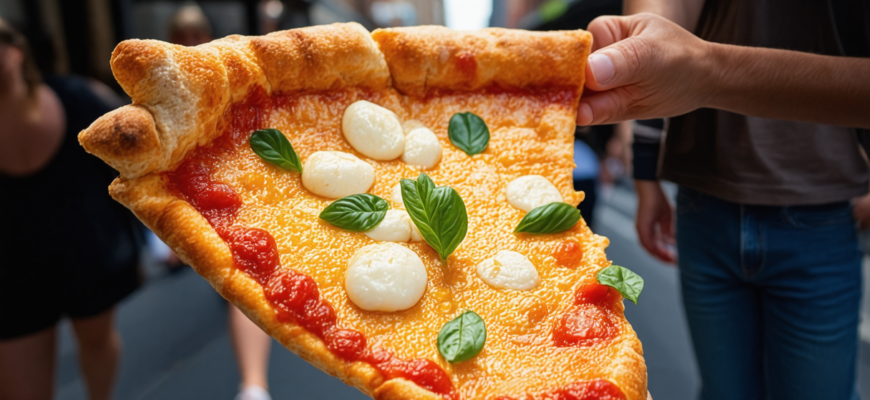
The pizza is typically baked in large, wide decks at high temperatures, resulting in a crispy bottom yet flexible slice. Slices are cut into triangular pieces, usually large enough to be folded in half for street consumption. The flexibility and portability are key to its street food appeal.
The Street Food Appeal of New York-Style Pizza
The Perfect Street Food Design
New York-style pizza’s design makes it an ideal street food. Its foldable slices allow consumers to eat while walking or multitasking—a hallmark of hurried city life. The large size and square or triangular cut enable quick, satisfying bites that can be held in one hand, leaving the other free to hold a coffee or purse.
Accessibility and Affordability
Street vendors and pizzerias offer slices at accessible prices, making this dish popular among diverse social groups. Its affordability, combined with quick service, has solidified its status as a readily available meal for workers, tourists, and locals alike.
Variety and Customization
Street vendors often provide a variety of toppings, from classic pepperoni to innovative vegetable mixes, catering to different tastes and dietary preferences. The ability to customize your slice ensures wide appeal and repeated visits.
Why New York-Style Pizza Is a Cultural Icon
Representation of New York City
Few foods are as synonymous with New York City as the thin crust pizza slice. It embodies the city’s fast-paced lifestyle, diversity, and entrepreneurial spirit. Street vendors serve up slices that are not only delicious but also a symbol of urban resilience and community bonding.
Global Influence
As New York-style pizza spread worldwide, it influenced culinary trends and inspired countless pizzerias globally. From Tokyo to Berlin, the familiar aroma of a freshly baked slice wrapped in paper now signals the universality of this street food icon.
The Rise of Artisanal and Gourmet Variations
Today, innovators have elevated the classic style with artisanal ingredients, gluten-free options, and gourmet toppings, enhancing its appeal to modern palate preferences while maintaining its traditional essence.
Ingredients and Recipe for Authentic New York-Style Thin Crust Pizza
Basic Ingredients
- 500 grams high-gluten bread flour
- 325 ml cold water
- 10 grams salt
- 7 grams active dry yeast
- 15 ml olive oil
Preparation Steps
1. Making the Dough
- Dissolve yeast in warm water and let sit for 5 minutes until frothy.
- Mix flour and salt in a large bowl.
- Add the yeast mixture and olive oil to the dry ingredients.
- Knead thoroughly until the dough becomes smooth and elastic (about 10 minutes).
- Let the dough rise in a warm place covered with a damp cloth for 1.5 to 2 hours or until doubled in size.
2. Shaping and Topping
- Preheat the oven to 250°C (482°F) with a pizza stone or baking sheet inside.
- Divide dough into two parts for large slices or keep whole for a personal pizza.
- On a floured surface, roll out or stretch the dough into a thin circle (~30 cm diameter).
- Transfer to a parchment paper-lined peel or a floured pizza paddle.
- Spread a thin layer of tomato sauce, sprinkle with mozzarella, and add toppings as desired.
3. Baking
- Slide the pizza onto the preheated stone or baking sheet.
- Bake for 7-10 minutes until crust is golden and cheese is bubbly.
- Remove from oven, slice, fold, and enjoy!
The Nutritional and Variational Aspects
Calories and Nutritional Values
A typical slice with standard toppings contains approximately 250-300 calories, depending on toppings and portion size. It provides carbohydrates, moderate protein, and fats, along with essential vitamins and minerals from toppings.
Health-Conscious Variations
- Gluten-Free Crust: Made with alternative flours like rice or almond flour.
- Vegan Options: Plant-based cheese and vegetable toppings.
- Low-Sodium and Low-Fat Toppings: For calorie-conscious consumers.
New York-style thin crust pizza stands out as a quintessential example of street-food ingenuity and cultural adaptability. Its thin, foldable slices, topped with a harmonious blend of flavors, make it an accessible yet beloved culinary masterpiece. Whether enjoyed as a quick bite on the go or appreciated in artisanal variations, the iconic appeal of this pizza style continues to captivate food lovers around the world. Its rich history, unmatched street food utility, and ongoing innovations exemplify how a simple dish can embody the spirit of a city and resonate across diverse culinary landscapes.
References
- The History of Pizza in America: Cultural Influences and Evolution
- Traditional New York Pizza Recipes and Techniques
- Global Spread and Variations of New York-Style Pizza
- Street Food and Urban Culture: The Role of Pizza