
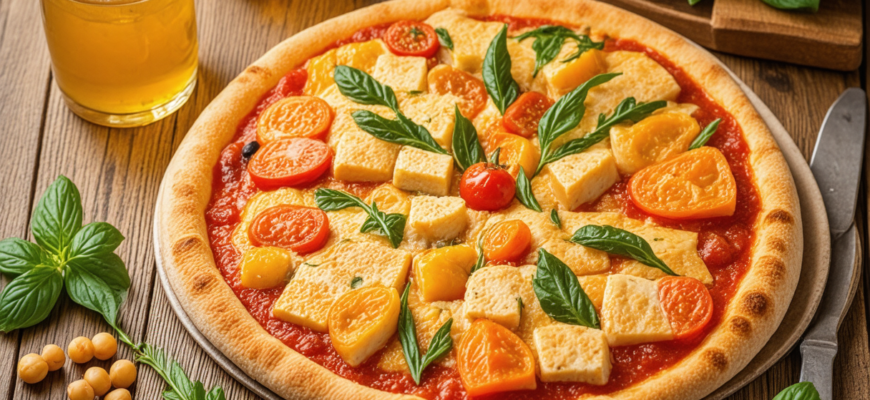
- Embracing a Plant-Based Lifestyle in Pizza Making
- What Are Plant-Based Proteins?
- The Nutritional Advantages of Plant Proteins in Vegetarian Pizza
- 1. Rich Source of Nutrients
- 2. Lower in Saturated Fats
- 3. High in Dietary Fiber
- Environmental and Ethical Benefits
- 1. Sustainable Production
- 2. Ethical Considerations
- Enhancing Flavor and Texture in Vegetarian Pizza
- 1. Versatility of Plant Proteins
- 2. Balancing Flavors
- Practical Ways to Incorporate Plant Proteins into Vegetarian Pizza
- 1. Toppings and Fillings
- 2. Incorporation into the Dough or Base
- Popular Recipes and Ideas for Vegetarian Pizzas with Plant Proteins
- 1. Chickpea and Spinach Pizza
- 2. Tofu and Vegetable Mediterranean Pizza
- 3. Seitan BBQ Pizza
- Comparative Table: Nutritional Content of Common Plant Proteins
- Addressing Common Concerns About Plant-Based Proteins
- 1. Protein Content Sufficiency
- 2. Texture and Flavor Adjustments
- 3. Cost and Accessibility
- Embracing a Nutritious and Sustainable Future
- References
Embracing a Plant-Based Lifestyle in Pizza Making
Pizza has long been considered a beloved comfort food worldwide, celebrated for its versatility and deliciousness. Traditional recipes often include meats like pepperoni, sausage, or ham, but the rise of vegetarianism and veganism has led to a surge in plant-based alternatives that do not compromise flavor or texture. A key component in creating satisfying meat-free pizza is the incorporation of plant-based proteins. These ingredients not only enrich the nutritional profile but also contribute to the overall taste and texture, making vegetarian pizzas more appealing and wholesome. This article explores the numerous benefits of integrating plant-based proteins into vegetarian pizza recipes, tracing their advantages from health to environmental sustainability, and offering practical tips on their use.
What Are Plant-Based Proteins?
Plant-based proteins are proteins derived from various plants, including legumes, grains, seeds, nuts, and vegetables. They serve as excellent alternatives to animal-derived proteins and are essential for muscle growth, tissue repair, and overall health. Some of the most common sources of plant-based proteins include:
- Legumes (e.g., lentils, chickpeas, beans)
- Tofu and tempeh
- Seitan (wheat gluten)
- Quinoa
- Hemp, chia, and flax seeds
- Nuts and nut butters
- Sweet corn and other vegetables with higher protein content
The Nutritional Advantages of Plant Proteins in Vegetarian Pizza
1. Rich Source of Nutrients
Plant-based proteins are packed with vital amino acids, vitamins, minerals, and fiber. For example, legumes like chickpeas and lentils provide not only protein but also iron, magnesium, and folate. Including these in pizza toppings or fillings can turn a simple dish into a nutrient-dense meal.
2. Lower in Saturated Fats
Compared to animal proteins, most plant proteins have lower saturated fat content, which contributes to heart health. Replacing meat-based toppings with plant proteins helps reduce cholesterol intake and promotes cardiovascular wellness.
3. High in Dietary Fiber
Many plant-based proteins are rich in dietary fiber, aiding digestion and promoting satiety. Fiber also helps regulate blood sugar levels, which is especially beneficial for those managing diabetes or looking to control weight.
Environmental and Ethical Benefits
1. Sustainable Production
Plant-based proteins generally require less water, land, and energy compared to animal farming. Their cultivation contributes significantly to reducing the carbon footprint associated with food production, making vegetarian pizza a more environmentally friendly option.
2. Ethical Considerations
Using plant-based proteins alleviates concerns related to animal welfare. For individuals choosing vegetarian diets, replacing meat with plant proteins aligns with ethical principles promoting compassion and sustainability.
Enhancing Flavor and Texture in Vegetarian Pizza
1. Versatility of Plant Proteins
Plant proteins come in various forms that can mimic meat textures or add unique flavors to the dish. For instance, crumbled tofu or tempeh can simulate ground meat, while seitan provides a chewy texture akin to chicken or beef.
2. Balancing Flavors
Plant proteins absorb flavors well, allowing them to blend seamlessly with herbs, spices, and sauces used in pizza recipes. Marinating or seasoning plant-based proteins before adding to the pizza enhances their taste and makes the dish more satisfying.
Practical Ways to Incorporate Plant Proteins into Vegetarian Pizza
1. Toppings and Fillings
- Crumbled Tofu: Sauteed or baked tofu crumbles can add protein and a soft texture.
- Tempeh Strips: Marinated and grilled tempeh adds a savory flavor and firm bite.
- Seitan: Thin slices of seitan can resemble deli meats or chicken strips.
- Chickpeas or Lentils: Roasted or spiced chickpeas lend crunch and protein boost.
- Nut-based Sauces: Cashew or almond cream sauces can add richness and additional protein.
2. Incorporation into the Dough or Base
Some innovative recipes involve adding protein powders derived from plant sources, such as pea or rice protein, directly into the dough for an extra nutritional punch.
Popular Recipes and Ideas for Vegetarian Pizzas with Plant Proteins
1. Chickpea and Spinach Pizza
This pizza combines roasted chickpeas with sautéed spinach, garlic, and vegan cheese on a whole-grain crust, offering a protein-rich and colorful dish.
2. Tofu and Vegetable Mediterranean Pizza
Firm tofu marinated in herbs and spices, baked until crispy, then topped with olives, cherry tomatoes, and arugula makes for a satisfying vegetarian option.
3. Seitan BBQ Pizza
Sweet and smoky seitan strips provided a hearty texture, paired with BBQ sauce, red onions, and cilantro for a flavor-packed meal.
Comparative Table: Nutritional Content of Common Plant Proteins
| Plant Protein Source | Protein per 100g | Key Nutrients | Common Uses in Pizza |
|---|---|---|---|
| Chickpeas | 8.9g | Fiber, Iron, Magnesium | Roasted, puréed, or whole on pizza toppings |
| Tofu | 8g | Calcium, Iron, Protein | Sliced, marinated, crumbled |
| Seitan | 21g | Protein, Iron | Sliced, seasoned strips |
| Lentils | 9g | Fiber, Folate, Iron | Pureed as a base or topping |
| Hemp Seeds | 30g | Omega-3, Magnesium | Sprinkled on top for crunch and nutrition |
Addressing Common Concerns About Plant-Based Proteins
1. Protein Content Sufficiency
Many skeptics worry about whether plant proteins can meet daily amino acid requirements. Combining different sources, such as grains and legumes, ensures a complete amino acid profile, making plant-based diets nutritionally adequate.
2. Texture and Flavor Adjustments
Some may find plant proteins less flavorful or different in texture; however, proper seasoning, marinating, and cooking techniques can dramatically improve their palatability and harmony with other pizza ingredients.
3. Cost and Accessibility
While some specialty plant proteins can be pricey, widely available options like chickpeas, lentils, and tofu are affordable and easy to find in most supermarkets.
Embracing a Nutritious and Sustainable Future
Integrating plant-based proteins into vegetarian pizza recipes offers numerous advantages—from enhanced nutritional value to environmental benefits. Their versatility allows for a wide range of flavor combinations and textures, appealing to a broad audience seeking tasty, healthy, and sustainable meal options. As consumer awareness of health and ecological concerns grows, so does the importance of choosing ingredients that support personal well-being and planetary health. Vegetarian pizzas enriched with plant-based proteins not only satisfy the palate but also contribute to a more sustainable and compassionate food system, making them an excellent choice for modern diners.
References
For further reading and detailed nutritional data, consult reputable sources such as the USDA Food Database, academic publications on plant-based nutrition, and culinary guides specializing in vegetarian cooking.
Похожие записи:
 Mastering Vegan and Vegetarian Pizza: Delicious Recipes and Culinary Inspiration
  Vegetarian Delight with Grilled Zucchini, Bell Peppers, and Hummus: A Tasty Vegetarian Experience
  How to Boost Fiber Intake with Seed-Based Toppings on Pizza
  Balancing Macronutrients in Homemade Pizza Recipes: A Complete Guide
  Creating Balanced Pizza Recipes That Support Weight Management
  The Benefits of Adding Vegetables to Your Pizza for Health
  The Benefits of Fiber-Rich Crusts for Sustained Energy Release
  The Benefits of Adding Nuts and Seeds to Pizza Toppings
  Fiber-Rich Toppings to Boost Digestive Health in Pizza Dishes
  How to Create High-Protein Pizza Options for Muscle Repair and Growth
  Innovative Strategies to Enhance Pizza’s Nutritional Value Without Increasing Calories
  The Role of Antioxidants in Tomato-Based Pizza Sauces
  Exploring the Antioxidants in Tomato Sauce and Their Health Benefits
  Creating Flavorful and Colorful Veggie-Based Pizzas: A Guide to Delicious, Healthy, and Vibrant Pies
  The Benefits of Probiotics in Cheese Used for Pizza
  Scandinavian Rye-Based Flatbread Pizzas: A Delicious Twist on Traditional Pizza