
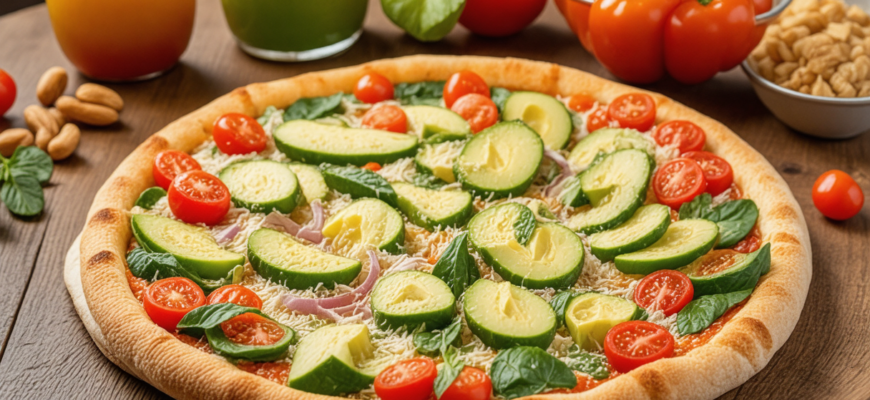
Pizza, a beloved dish worldwide, has evolved from simple comfort food to a versatile culinary canvas that can cater to diverse nutritional needs. While traditional recipes often emphasize taste and convenience, modern food enthusiasts and health-conscious consumers seek ways to boost the nutrient density of their favorite pizza without adding extra calories. The challenge lies in enriching the dish with vital nutrients—vitamins, minerals, fiber, and healthy fats—without tipping the calorie balance. This comprehensive guide explores actionable strategies, ingredient substitutions, and innovative techniques to make pizza more nutrient-dense without increasing caloric content, ensuring that every slice supports a healthy diet.
- Understanding Nutrient Density and Calorie Content in Pizza
- What Is Nutrient Density?
- Caloric Components of Traditional Pizza
- Strategies to Boost Nutritional Value Without Extra Calories
- 1. Incorporate Nutrient-Dense Vegetables
- 2. Use Whole Grain or Alternative Flours for the Crust
- 3. Enhance Protein Content with Lean and Plant-Based Sources
- 4. Opt for Healthy Fats from Nutritious Sources
- 5. Use Spices and Herbs to Maximize Nutritional Impact
- Innovative Ingredient Substitutions for Nutrient Boost
- Replacing High-Calorie Toppings with Nutrient-Rich Alternatives
- Using Ingredient Combinations to Maximize Nutritional Efficiency
- Cooking and Preparation Techniques to Preserve Nutrients
- Optimal Baking Practices
- Post-Baking Additions
- Sample Nutrient-Dense Pizza Recipe
- Ingredients:
- Preparation:
Understanding Nutrient Density and Calorie Content in Pizza
What Is Nutrient Density?
Nutrient density refers to the amount of essential nutrients—such as vitamins, minerals, fiber, and antioxidants—in a food relative to its calorie content. Foods with high nutrient density provide a wealth of nutritional benefits without excessive calories. For example, vegetables and whole grains boast high nutrient density, making them ideal ingredients to enhance the health profile of various dishes, including pizza.
Caloric Components of Traditional Pizza
Traditional pizza comprises several components, each contributing differently to its calorie profile:
- Crust: Provides complex carbohydrates and some fiber but can be calorie-dense, especially when made with refined flour and topped with oils.
- Sauce: Typically tomato-based, rich in vitamins and antioxidants but may contain added sugar and salt.
- Cheese: A major source of protein and calcium, but also high in saturated fats and calories.
- Toppings: Can vary widely, from vegetables (lower in calories) to processed meats (higher in calories and fats).
Balancing these components to maximize nutrient density while controlling calorie content involves thoughtful ingredient selection and preparation techniques.
Strategies to Boost Nutritional Value Without Extra Calories
1. Incorporate Nutrient-Dense Vegetables
Adding a variety of colorful vegetables is one of the most effective ways to increase fiber, vitamins, minerals, and antioxidants in pizza without significantly increasing calories. Vegetables like spinach, kale, bell peppers, mushrooms, and zucchini are low in calories and high in nutrients.
- Preparation Tips: Thinly slice vegetables to ensure even distribution and optimal flavor. Consider pre-cooking harder vegetables like bell peppers and mushrooms to enhance digestibility and flavor.
- Placement: Spread vegetables evenly across the top to maximize nutrient exposure and antioxidant activity during baking.
2. Use Whole Grain or Alternative Flours for the Crust
Replacing refined wheat flour with whole grain options increases fiber content and micronutrient levels, fostering better digestion and prolonged satiety without adding extra calories. Alternatives such as spelt, buckwheat, or cauliflower crusts also offer nutrient-dense profiles with fewer calories.
| Flour Type | Fiber Content | Calorie Difference (per 100g) | Benefits |
|---|---|---|---|
| Refined Wheat Flour | 2.7g | 364 kcal | Standard, widely available |
| Whole Wheat Flour | 12g | 340 kcal | Higher fiber, more nutrients |
| Cauliflower Crust | High in fiber, moderate | Approximately 50-70 kcal | Low-calorie, vegetable-based alternative |
| Almond Flour | High in healthy fats and fiber | 578 kcal | Rich in healthy fats, but calorie-dense |
3. Enhance Protein Content with Lean and Plant-Based Sources
Increasing the protein content of pizza can improve satiety and support muscle maintenance, without necessarily boosting calories if chosen wisely. Opt for lean meats, legumes, or plant-based proteins that pack nutrients with minimal added calories:
- Grilled chicken or turkey slices
- Legumes like chickpeas or lentils (used as toppings or incorporated into the crust)
- Tofu or tempeh as plant-based alternatives
4. Opt for Healthy Fats from Nutritious Sources
Replacing saturated fats with healthy monounsaturated and polyunsaturated fats improves the fatty acid profile and boosts nutrient density. Use ingredients such as:
- Olive oil drizzled post-baking
- Avocado slices as topping
- Nuts or seeds (e.g., flaxseed, sunflower seeds) sprinkled on top—used sparingly to control calories
5. Use Spices and Herbs to Maximize Nutritional Impact
Fresh herbs like basil, oregano, and cilantro not only add flavor but also provide antioxidants and phytochemicals. Incorporate them generously for a flavor boost and nutritional advantage without calories.
Innovative Ingredient Substitutions for Nutrient Boost
Replacing High-Calorie Toppings with Nutrient-Rich Alternatives
Choose toppings that offer vitamins and minerals without adding excess calories:
- Use leafy greens instead of processed meats
- Add sun-dried tomatoes for a concentrated source of antioxidants
- Top with thin slices of fresh fruit, like figs or pineapple, in moderation, for unique flavor and nutrients
Using Ingredient Combinations to Maximize Nutritional Efficiency
Combine ingredients that complement each other nutritionally:
| Combination | Nutritional Benefit |
|---|---|
| Spinach + Sun-dried Tomatoes | Antioxidants, vitamin C, iron |
| Chicken + Bell Peppers | Protein, vitamin A, vitamin C |
| Olive Oil + Herbs | Healthy fats, antioxidants, flavor |
Cooking and Preparation Techniques to Preserve Nutrients
Optimal Baking Practices
To preserve maximum nutrients:
- Bake at moderate temperatures to prevent nutrient loss and browning
- Shorten cooking times for delicate ingredients
- Pre-cook hard vegetables to ensure they are soft and nutrient-retentive
Post-Baking Additions
Adding fresh, nutrient-rich ingredients after baking avoids heat-sensitive vitamin degradation. This includes herbs, leafy greens, and healthy oils.
Sample Nutrient-Dense Pizza Recipe
Below is a sample recipe illustrating the application of these strategies for a nutrient-rich, low-calorie pizza:
Ingredients:
- Whole wheat cauliflower crust
- Fresh tomato sauce (no added sugar)
- Shredded mozzarella or plant-based cheese (use sparingly)
- Spinach and arugula mix
- Sliced bell peppers, mushrooms, and cherry tomatoes
- Grilled chicken strips or chickpeas
- Drizzle of extra virgin olive oil
- Fresh basil and oregano
Preparation:
- Pre-bake the cauliflower crust at 200°C for 10 minutes.
- Spread a thin layer of tomato sauce over the crust.
- Add a modest amount of cheese.
- Layer with colorful vegetables and lean protein sources.
- Bake for an additional 10-15 minutes until crust is golden and toppings are cooked.
- Remove from oven, garnish with fresh herbs, and drizzle with olive oil before serving.
Enhancing the nutrient density of pizza without increasing its calorie content is an achievable goal through mindful ingredient selection, innovative substitutions, and careful preparation. By prioritizing vegetables, whole grains, lean proteins, healthy fats, and fresh herbs, it is possible to enjoy a delicious, satisfying, and healthful pizza that aligns with a balanced diet. These strategies not only improve nutritional value but also contribute to overall health, supporting digestive health, immune function, and metabolic performance. Embracing these principles allows pizza lovers to indulge in their favorite dish without guilt while reaping maximal health benefits in every slice.
Incorporating these techniques into everyday cooking can transform the classic pizza into a superfood powerhouse—delivering essential nutrients while maintaining flavor and satisfaction. Whether for a quick weekday meal or a special gathering, nutrient-dense pizza recipes can satisfy diverse tastes and dietary needs, making healthy eating both enjoyable and sustainable.
Похожие записи:
 Unlocking the Secrets of Traditional Pizza: Nutritional Components and Their Impact on Health
  The Impact of Cheese Types on Pizza’s Nutritional Profile
  Innovative Approaches to Pizza Crusts: Enhancing Nutrition with Alternative Flours
  Vegan Cheese Options and Their Nutritional Advantages on Pizza: A Comprehensive Guide
  Creating Balanced Pizza Recipes That Support Weight Management
  The Importance of Portion Control for Healthy Pizza Consumption
  Balancing Macronutrients in Homemade Pizza Recipes: A Complete Guide
  The Marketing Strategies That Popularized Pizza Worldwide
  How to Boost Fiber Intake with Seed-Based Toppings on Pizza
  The History of Pizza Advertising Campaigns: From Origins to Modern Strategies
  Unlocking Nutrition: How to Incorporate Superfoods into Pizza Toppings for a Healthier Twist
  The Significance of Calcium and Vitamin D in Cheese-Heavy Pizzas
  How to Make Pizza a Part of a Heart-Healthy Diet
  Fiber-Rich Toppings to Boost Digestive Health in Pizza Dishes
  The Benefits of Fiber-Rich Crusts for Sustained Energy Release
  The Benefits of Adding Vegetables to Your Pizza for Health