
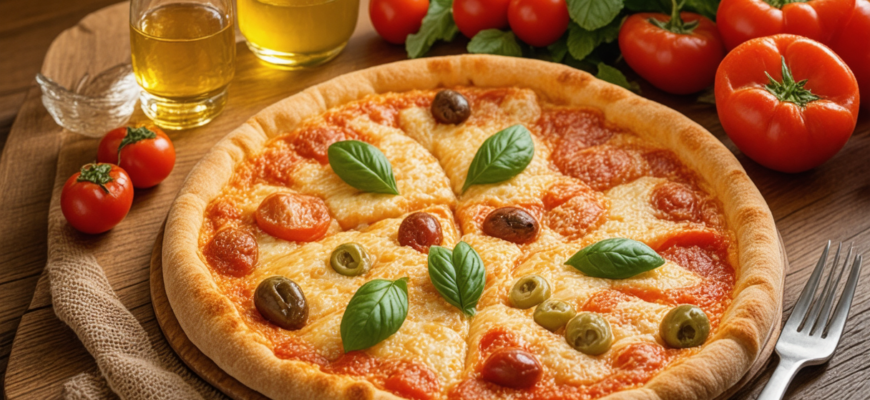
Pizza, one of the most beloved dishes worldwide, has an intriguing history and a rich nutritional profile. Originating from Italy, especially from Naples, this culinary marvel has evolved into countless variations as it spread across different cultures and regions. While its delicious taste and versatility make pizza a favorite for many, understanding the nutritional components of traditional pizza and their implications for health is crucial for those seeking a balanced diet. This article explores the core ingredients of traditional pizza, analyzes their nutritional content, and discusses their effects on overall health and wellness.
- Historical Context of Pizza and Its Traditional Components
- Core Nutritional Components of Traditional Pizza
- 1. Wheat-Based Dough
- 2. Tomato Sauce
- 3. Cheese (Mainly Mozzarella)
- 4. Toppings and Additional Ingredients
- Health Implications of Traditional Pizza Components
- Macronutrients and Their Effects
- Micronutrients and Antioxidants
- Dietary Fiber and Digestive Health
- Health Benefits and Risks of Traditional Pizza
- Strategies for Making Pizza Healthier
- 1. Use Whole Grain or Alternative Flours
- 2. Incorporate Vegetables Generously
- 3. Opt for Less Fatty Cheese or Plant-Based Alternatives
- 4. Limit High-Sodium Toppings
- 5. Control Portion Sizes
- References
Historical Context of Pizza and Its Traditional Components
Traditional pizza, especially the Neapolitan style, consists of a simple yet flavorful combination of ingredients: a thin dough base, tomato sauce, cheese, and various toppings. Historically, pizza was a street food for farmers and workers in southern Italy, utilizing local and affordable ingredients. The simplicity of its components has remained intact over centuries, contributing to its popularity and cultural importance.
Understanding the origins and traditional recipes helps contextualize its nutritional profile, emphasizing natural and relatively unprocessed ingredients.
Core Nutritional Components of Traditional Pizza
1. Wheat-Based Dough
The foundation of most pizzas is a yeast-leavened dough made primarily from wheat flour. This component supplies complex carbohydrates, proteins, and gluten. The quality of wheat flour influences not only the texture and flavor but also the nutritional value.
| Component | Typical Content (per 100g) | Notes |
|---|---|---|
| Carbohydrates | 50-60g | Primary energy source, mainly starch |
| Protein | 8-12g | Includes gluten, essential for dough formation |
| Fat | 1-3g | Minimal in plain dough; can vary with added ingredients |
| Fiber | 2-3g | Facilitates digestion and maintains satiety |
2. Tomato Sauce
Tomatoes are the key ingredient in pizza sauce, providing essential vitamins, minerals, antioxidants, and flavor. Rich in lycopene, a potent antioxidant, tomatoes contribute to the health benefits of pizza.
- Calories: ~20 kcal per 100g
- Nutritional benefits: Vitamin C, Vitamin A, lycopene, fiber
- Health implications: Antioxidant properties may reduce oxidative stress and lower the risk of certain chronic diseases.
3. Cheese (Mainly Mozzarella)
Cheese enhances flavor and texture, adding essential nutrients. Mozzarella is traditionally used due to its meltability and mild taste.
| Component | Typical Content (per 100g) | Notes |
|---|---|---|
| Calories | 280-350 kcal | Varies with fat content |
| Protein | 20-25g | High-quality animal protein |
| Fat | 20-25g | Includes saturated fats; influence on cardiovascular health |
| Calcium | 600-700mg | Crucial for bone health |
4. Toppings and Additional Ingredients
Traditional toppings can include basil, olives, anchovies, and various vegetables. These ingredients add vitamins, antioxidants, and fiber but can also influence the calorie and fat content depending on their quantity and preparation methods.
Health Implications of Traditional Pizza Components
Macronutrients and Their Effects
Traditional pizza offers a balance of macronutrients—carbohydrates, proteins, and fats—but the proportions heavily depend on ingredients and serving sizes. Excessive consumption of high-calorie, high-fat toppings and cheese can pose health risks, particularly related to cardiovascular health. Meanwhile, the carbohydrate-rich dough provides quick energy but may impact blood sugar levels.
Micronutrients and Antioxidants
Tomatoes and vegetables add vital micronutrients and antioxidants. Lycopene from tomatoes has been linked to reduced risk of certain cancers and cardiovascular diseases. Additionally, cheese supplies calcium and Vitamin D, essential for bone strength.
Dietary Fiber and Digestive Health
Whole grain dough or added vegetables increase fiber content, promoting digestion and satiety. Conversely, refined flour dough offers less fiber, which may affect gastrointestinal health and glucose regulation.
Health Benefits and Risks of Traditional Pizza
| Benefit / Risk | Description |
|---|---|
| Rich in antioxidants | Tomato sauce provides lycopene, which combats oxidative stress |
| Source of calcium and protein | Cheese supply these essential nutrients for bones and muscles |
| High energy density | Can contribute to weight gain if consumed excessively |
| Potential high saturated fat content | May increase risk of heart disease if eaten in large amounts |
| Sodium levels | Cheese and processed toppings can lead to high salt intake |
| Allergenic potential | Gluten and dairy allergies or intolerances must be considered |
Strategies for Making Pizza Healthier
While traditional pizza can be part of a balanced diet, modifications are accessible to enhance its health benefits:
1. Use Whole Grain or Alternative Flours
- Whole wheat, spelt, or rye flours increase fiber content
- Gluten-free options for those with allergies
2. Incorporate Vegetables Generously
- Add spinach, bell peppers, mushrooms, or arugula for extra nutrients
- Decreases calorie density and boosts antioxidants
3. Opt for Less Fatty Cheese or Plant-Based Alternatives
- Use reduced-fat cheese options
- Explore vegan cheese substitutes
4. Limit High-Sodium Toppings
- Reduce use of cured meats and olives
- Choose fresh herbs and spices for flavor
5. Control Portion Sizes
- Practice moderation to prevent overconsumption of calories
- Pair pizza with a side salad or vegetable soup
Traditional pizza, with its simple ingredients—dough, tomato sauce, cheese, and toppings—provides a nutrient-rich profile that can be both delicious and beneficial to health when consumed mindfully. The primary components supply essential macronutrients and micronutrients, while also presenting certain health considerations, notably the potential for excess saturated fats and sodium. By understanding the nutritional makeup of pizza, consumers can make informed choices, balancing indulgence with health-conscious modifications. Ultimately, traditional pizza remains a versatile dish that, with thoughtful adjustments, can be integrated into a balanced diet supporting overall wellness.
References
- FAO. (2013). Carbohydrates in Food. Food and Nutrition Paper 92.
- Harvard T.H. Chan School of Public Health. (2020). The Nutrition Source: Tomatoes & Lycopene.
- USDA. (2022). FoodData Central Database.
- World Health Organization. (2018). Sugars intake for adults and children.
Похожие записи:
 Unlocking Flavor: The Art of Incorporating Herbs and Spices into Pizza for a Burst of Taste
  Mastering Thin-Crust Pizza: Secrets to Achieve Perfect Crispiness and Tenderness
  The Impact of Social Media on Pizza Marketing and Popularity
  Maltese Ftira with Local Flavors: A Delicious Twist on Traditional Pizza
  Scandinavian Rye-Based Flatbread Pizzas: A Delicious Twist on Traditional Pizza
  Albanian Flia with Layered Fillings: A Delicious Twist on Traditional Pizzas
  Lebanese Manakish with Za’atar and Cheese: A Delicious Twist on Traditional Pizzas
  Discover the Perfect Georgian Mchadi with Toppings: A Delicious Traditional Bread to Complement Every Meal
  Discovering Czech Pizza: Delicious Variations and Traditional Toppings
  Margarita Pizza: Italy’s Timeless Classic
  Mediterranean Medley: Olives, Sun-Dried Tomatoes, and Feta Cheese – A Flavorful Journey into Mediterranean Pizza Toppings
  Creative Ways to Make Gluten-Free Pizza Crusts: Elevate Your Pizza Experience
  The Rise of Healthy and Alternative Pizza Options: A Delicious Revolution
  Mastering Vegan and Vegetarian Pizza: Delicious Recipes and Culinary Inspiration
  Sweet Corn, Monterey Jack, and Chopped Jalapeños for a Crunchy Kick: Elevate Your Pizza Game
  Sweet Potato Slices, Arugula, and Blue Cheese for a Sophisticated Bite: Elevating Pizza Toppings to Gourmet Levels