
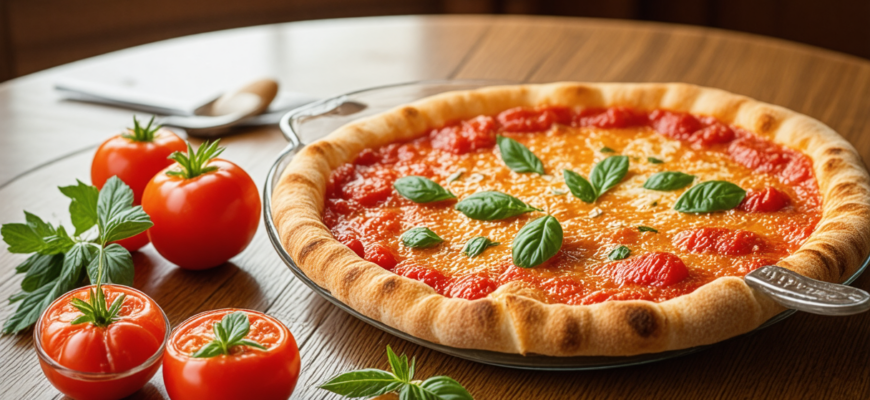
Throughout history, pizza has evolved from a humble street food in Naples to a global culinary phenomenon appreciated across cultures and continents. Central to the flavor and appeal of many pizza varieties is the sauce—a rich, savory layer that elevates the entire dish. Among the countless ingredients in pizza sauces, tomatoes stand out not only for their vibrant taste but also for their impressive nutritional profile, particularly their high content of antioxidants. Understanding the role of antioxidants in tomato-based pizza sauces provides insight into their health benefits, culinary significance, and how they contribute to the overall enjoyment of this beloved dish.
- What Are Antioxidants and Why Are They Important?
- Definition of Antioxidants
- The Significance of Antioxidants in Nutrition
- Key Antioxidants in Tomatoes
- lycopene
- Vitamin C
- Beta-carotene
- Other antioxidants
- How Are Antioxidants Present and Preserved in Tomato-Based Sauces?
- Cooking and Processing Effects
- Storage and Preservation
- The Impact of Antioxidants on Health When Consumed via Pizza Sauces
- Oxidative Stress and Chronic Disease Prevention
- Anti-Inflammatory Effects
- Supporting Skin and Eye Health
- Enhancing the Nutritional Value of Pizza With Tomato Sauces
- Tips for Maximizing Antioxidant Intake
- Sample Recipe to Maximize Antioxidants in Pizza Sauce
- The Broader Context: Tomatoes in the Diet and Antioxidant Synergy
- Why Antioxidants Matter in Your Favorite Pizza
What Are Antioxidants and Why Are They Important?
Definition of Antioxidants
Antioxidants are compounds that inhibit oxidation—a chemical reaction that can produce free radicals, leading to cellular damage. In biological systems, free radicals are unstable molecules that can harm cells, DNA, and tissues, potentially contributing to aging and various diseases such as cancer, cardiovascular conditions, and neurodegenerative disorders. Antioxidants neutralize these free radicals, thereby protecting the body from oxidative stress.
The Significance of Antioxidants in Nutrition
Incorporating antioxidants into the diet is widely recognized as beneficial for maintaining health and preventing chronic diseases. They are naturally present in numerous fruits, vegetables, nuts, and grains. Tomatoes, in particular, are rich in a variety of powerful antioxidants, making them a vital component of a healthy diet.
Key Antioxidants in Tomatoes
lycopene
Lycopene is a carotenoid pigment responsible for the bright red color of ripe tomatoes. It is one of the most potent antioxidants found in tomatoes. Lycopene has been extensively studied for its capacity to combat oxidative stress and its potential role in reducing the risk of certain cancers, especially prostate cancer.
Vitamin C
Tomatoes are a good source of vitamin C (ascorbic acid), a water-soluble antioxidant that supports immune function, skin health, and acts as a free radical scavenger.
Beta-carotene
This precursor of vitamin A contributes to the antioxidant properties of tomatoes and supports eye health, immune function, and skin integrity.
Other antioxidants
- Vitamin E—lipid-soluble antioxidant protecting cell membranes.
- Flavonoids—plant compounds with antioxidant and anti-inflammatory effects.
- Chlorogenic acid—phenolic compound with antioxidant properties.
How Are Antioxidants Present and Preserved in Tomato-Based Sauces?
Cooking and Processing Effects
The way tomatoes are processed into sauces significantly influences their antioxidant content. Heating tomatoes can both degrade and increase the availability of certain antioxidants:
- Lycopene: Cooking tomato products increases lycopene bioavailability by breaking down cell walls, making it easier for the body to absorb.
- Vitamin C: Heat-sensitive and may degrade during cooking; thus, raw or minimally processed sauces retain more vitamin C.
- Other phytochemicals: Some flavonoids and phenolic compounds can increase in extractability with cooking.
Storage and Preservation
Prolonged storage and exposure to light and air can reduce antioxidant levels in tomato sauces. Techniques like pasteurization, sterilization, and the addition of preservatives affect the antioxidant profile, with fresh sauces generally maintaining higher levels of delicate compounds such as vitamin C.
The Impact of Antioxidants on Health When Consumed via Pizza Sauces
Oxidative Stress and Chronic Disease Prevention
Regular consumption of tomato-based sauces can contribute to reducing oxidative stress in the body, thereby lowering the risk of chronic diseases such as:
- Cancer, especially prostate and colorectal cancers.
- Cardiovascular diseases.
- Age-related neurodegenerative diseases like Alzheimer’s.
Anti-Inflammatory Effects
Antioxidants in tomatoes exhibit anti-inflammatory properties, helping to mitigate chronic inflammation, a common underlying factor in many health conditions.
Supporting Skin and Eye Health
Carotenoids and vitamin C contribute to healthy skin and eyes by protecting against UV damage and oxidative deterioration, especially relevant in the context of a balanced diet that includes tomato sauces.
Enhancing the Nutritional Value of Pizza With Tomato Sauces
Tips for Maximizing Antioxidant Intake
- Opt for fresh, ripe tomatoes: Use fresh, seasonal tomatoes for best flavor and nutrient profile.
- Minimal processing: Prepare sauces with minimal cooking to preserve vitamin C and other heat-sensitive antioxidants.
- Add herbs and vegetables: Ingredients like garlic, basil, and bell peppers can boost the antioxidant content of the sauce.
- Use quality oils: Olive oil contains vitamin E and polyphenols that complement antioxidants in tomatoes.
Sample Recipe to Maximize Antioxidants in Pizza Sauce
| Ingredient | Amount | Antioxidant Benefit |
|---|---|---|
| Fresh Ripe Tomatoes | 500g | High lycopene and vitamin C |
| Garlic | 2 cloves | Allicin, antioxidants, anti-inflammatory |
| Extra Virgin Olive Oil | 2 tbsp | Vitamin E, phenolics |
| Fresh Basil | Handful | Flavonoids, antioxidants |
| Onion | 1 small | Quercetin, antioxidants |
The Broader Context: Tomatoes in the Diet and Antioxidant Synergy
In addition to their standalone benefits, antioxidants from tomatoes can work synergistically with other dietary components. For example, combining tomato sauces with foods rich in vitamin E or polyphenols can enhance overall antioxidant capacity, thereby providing greater health benefits. This synergy underscores the importance of a varied, balanced diet.
Why Antioxidants Matter in Your Favorite Pizza
As pizza remains a popular comfort food worldwide, understanding the health-promoting elements of its ingredients enhances appreciation and encourages healthier choices. Tomato-based pizza sauces are not only rich in flavor but also serve as a potent source of antioxidants that support overall health. By optimizing preparation methods and ingredient selection, it is possible to enjoy delicious pizza while harnessing the full nutritional potential of tomatoes. This combination of taste and health benefits exemplifies how traditional dishes can evolve to meet modern wellness goals, making pizza a truly versatile and nourishing meal for every taste.
Whether enjoyed with a simple Margherita or a loaded veggie variety, integrating antioxidant-rich tomato sauces into pizza enhances both flavor and nutritional value. Embracing these natural compounds can contribute to a healthier lifestyle, all while savoring one of the world’s most beloved comfort foods.
Похожие записи:
 Exploring the Antioxidants in Tomato Sauce and Their Health Benefits
  Enhancing Pizza with High-Antioxidant Toppings for Better Health
  Unlocking the Secrets of Traditional Pizza: Nutritional Components and Their Impact on Health
  How to Boost Fiber Intake with Seed-Based Toppings on Pizza
  Unlocking Nutrition: How to Incorporate Superfoods into Pizza Toppings for a Healthier Twist
  Creating Flavorful and Colorful Veggie-Based Pizzas: A Guide to Delicious, Healthy, and Vibrant Pies
  The Benefits of Adding Vegetables to Your Pizza for Health
  The Role of Local Ingredients in Regional Pizza Recipes: A Culinary Journey Across Cultures
  Scandinavian Rye-Based Flatbread Pizzas: A Delicious Twist on Traditional Pizza
  The Role of Technology in Pizza Delivery Innovations: Transforming the Culinary Experience
  Innovative Strategies to Enhance Pizza’s Nutritional Value Without Increasing Calories
  The Significance of Calcium and Vitamin D in Cheese-Heavy Pizzas
  Creating Balanced Pizza Recipes That Support Weight Management
  California-Inspired Pizzas: Fresh Avocado, Sprouts, and Lemon Zest for Every Taste
  How to Make Pizza a Part of a Heart-Healthy Diet
  The Importance of Portion Control for Healthy Pizza Consumption