
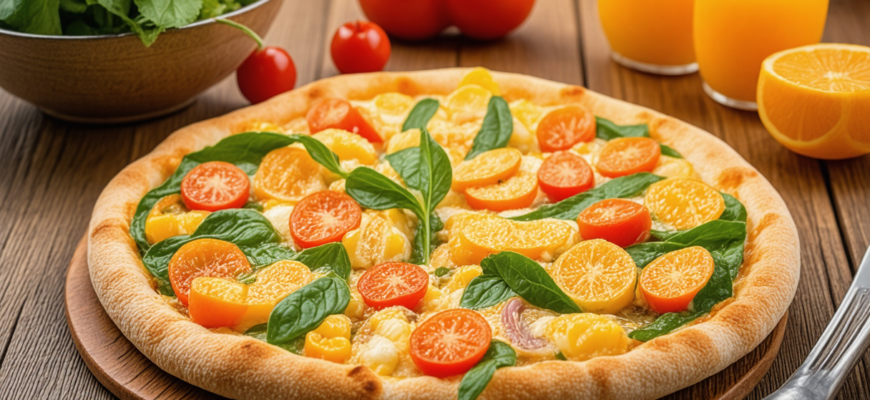
Pizza is undeniably one of the most beloved dishes worldwide, cherished for its versatility, rich flavors, and satisfying nature. While traditionally associated with indulgence and often loaded with meats, cheeses, and rich sauces, incorporating vegetables into your pizza is a simple yet powerful way to enhance its nutritional profile. This article explores in detail the numerous health benefits of adding vegetables to your pizza, offers delicious recipe ideas, and provides insights into how vegetables can complement your diet while maintaining the classic pizza appeal.
- Why Include Vegetables in Your Pizza?
- The Nutritional Power of Vegetables
- Key Nutrients in Vegetables
- Health Benefits of Consuming Vegetables
- How Vegetables Improve Your Pizza
- Flavor and Texture Enhancements
- Visual Appeal and Appetite Stimulation
- Customization and Variety
- Popular Vegetables to Add to Your Pizza
- Classic Choices
- Innovative and Nutritious Options
- How to Incorporate Vegetables into Your Pizza
- Preparation Tips
- Placement on Pizza
- Sample Recipes: Delicious and Nutritious Vegetable Pizzas
- Margherita with Roasted Vegetables
- Ingredients:
- Preparation:
- Veggie Delight Pizza
- Ingredients:
- Preparation:
- Addressing Common Concerns
- Will Adding Vegetables Make the Pizza Less Tasty?
- Does Vegetables Add Excess Water or Make the Pizza Soggy?
- Can Vegetables Be Combined with Other Healthy Ingredients?
- The Impact of Vegetables on Long-term Health
- Chronic Disease Prevention
- Weight Management and Satiety
- Gut Health Improvement
- Making Your Pizza a Healthier Choice
- References
Why Include Vegetables in Your Pizza?
Vegetables are a cornerstone of healthy eating, packed with essential nutrients, fiber, and antioxidants that promote overall well-being. When added to pizza—which is often considered a comfort food—vegetables serve as a healthy counterbalance, making the dish more nutritious without sacrificing flavor. By integrating vegetables into pizza, you not only enhance its taste but also support various aspects of health such as digestion, immunity, and chronic disease prevention. The following sections delve into the specific advantages of this culinary fusion.
The Nutritional Power of Vegetables
Key Nutrients in Vegetables
| Nutrient | Role in the Body | Common Vegetables Rich in This Nutrient |
|---|---|---|
| Vitamins (A, C, K, Folate) | Support immune function, improve vision, aid blood clotting, and promote cell growth | Bell peppers, spinach, broccoli, carrots |
| Minerals (Potassium, Magnesium, Calcium) | Regulate blood pressure, strengthen bones, support nerve function | Leafy greens, tomatoes, zucchini |
| Dietary Fiber | Enhances digestion, regulates blood sugar, promotes satiety | Broccoli, eggplant, zucchini, onions |
| Antioxidants (Lycopene, Beta-carotene) | Combat oxidative stress, reduce inflammation, lower risk of chronic diseases | Tomatoes, carrots, red peppers |
Health Benefits of Consuming Vegetables
- Enhanced Digestive Health: The fiber in vegetables promotes healthy bowel movements and prevents constipation.
- Improved Heart Health: Rich in antioxidants and potassium, vegetables help lower blood pressure and reduce the risk of cardiovascular diseases.
- Weight Management: Vegetables add volume and satiety to your meal with few calories, aiding weight control.
- Reduced Risk of Chronic Diseases: Consuming a variety of vegetables is linked to lower incidences of diabetes, certain cancers, and neurodegenerative disorders.
How Vegetables Improve Your Pizza
Flavor and Texture Enhancements
Adding vegetables introduces new layers of flavor, from the sweetness of bell peppers to the umami of mushrooms, and adds a satisfying crunch or tenderness depending on the choice. Vegetables also contribute to the overall texture of the pizza, creating a more complex and appealing eating experience.
Visual Appeal and Appetite Stimulation
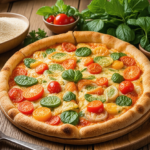
Brightly colored vegetables make a pizza visually more attractive, stimulating appetite and making the dish more inviting. A visually appealing pizza with vibrant vegetables can transform an ordinary meal into a feast for the senses.
Customization and Variety
Vegetables provide endless possibilities for customization, catering to different tastes, dietary restrictions, and preferences. They allow for creative combinations, making each pizza unique and tailored to individual health goals.
Popular Vegetables to Add to Your Pizza
Classic Choices
- Bell Peppers: Sweet and crunchy, available in various colors
- Red Onions: Flavorful and slightly spicy when cooked
- Mushrooms: Earthy taste that enhances umami flavor
- Tomatoes: Juicy slices or sun-dried for a concentrated flavor
Innovative and Nutritious Options
- Zucchini: Thin slices add moisture and mild sweetness
- Spinach: Full of iron and vitamins, wilted or fresh
- Broccoli: Adds crunch and fiber, often pre-steamed
- Eggplant: Softens beautifully when cooked, adds depth
How to Incorporate Vegetables into Your Pizza
Preparation Tips
- Pre-cook Hard Vegetables: Mushrooms, broccoli, and eggplant should be sautéed or steamed beforehand for optimal texture and digestion.
- Slice Thinly: Thin slices ensure even cooking and better integration of flavors.
- Use Fresh Vegetables: Fresh produce offers better flavor and nutrients compared to processed or canned vegetables.
- Experiment with Seasoning: Herbs, garlic, and spices can enhance the natural flavors of vegetables.
Placement on Pizza
- Spread base sauce evenly over the dough.
- Distribute vegetables uniformly over the sauce.
- Layer harder vegetables like broccoli or eggplant first.
- Add softer vegetables like spinach and tomatoes towards the end of baking to preserve freshness.
Sample Recipes: Delicious and Nutritious Vegetable Pizzas
Margherita with Roasted Vegetables
Ingredients:
- Pizza dough
- Tomato sauce
- Mozzarella cheese
- Cherry tomatoes
- Red bell peppers
- Zucchini slices
- Fresh basil
- Olive oil, salt, pepper
Preparation:
- Preheat oven to 220°C (430°F).
- Roast sliced bell peppers and zucchini with olive oil, salt, and pepper.
- Spread tomato sauce over the rolled-out dough.
- Add mozzarella cheese, then distribute roasted vegetables and cherry tomatoes.
- Bake for approximately 15-20 minutes until golden and bubbly.
- Garnish with fresh basil before serving.
Veggie Delight Pizza
Ingredients:
- Whole wheat pizza dough
- Hummus or pesto base
- Spinach leaves
- Red onions
- Mushrooms
- Olives
- Feta cheese (optional)
- Olive oil, herbs
Preparation:
- Spread hummus or pesto over the dough.
- Layer spinach, sliced onions, mushrooms, and olives.
- Top with feta cheese if desired.
- Bake at 200°C (390°F) for 12-15 minutes until crust is crisp and cheese (if used) is melted.
- Finish with a drizzle of olive oil and herbs.
Addressing Common Concerns
Will Adding Vegetables Make the Pizza Less Tasty?
Not at all! Proper seasoning, choice of fresh vegetables, and thoughtful preparation enhance the flavor, making the pizza more deliciously complex. Experimenting with herbs, spices, and condiments allows for customizing flavors to suit personal preferences.
Does Vegetables Add Excess Water or Make the Pizza Soggy?
Pre-cooking vegetables helps remove excess moisture, preventing sogginess. Slicing vegetables thinly allows for even baking and moisture evaporation, resulting in a crispy crust.
Can Vegetables Be Combined with Other Healthy Ingredients?
Yes, combining vegetables with lean proteins like grilled chicken, seafood, or plant-based sources such as tofu can create a balanced and nutritious pizza. Using whole grain crusts and moderate cheese quantities further improves health benefits.
The Impact of Vegetables on Long-term Health
Chronic Disease Prevention
Regular consumption of vegetables is associated with a decreased risk of heart disease, stroke, type 2 diabetes, and certain types of cancer. Incorporating vegetables into pizza, a popular and convenient dish, makes it easier to achieve recommended daily vegetable intake.
Weight Management and Satiety
High fiber content aids in feelings of fullness, reducing overeating and snacking. Vegetable-rich pizzas can be an integral part of a balanced diet aimed at maintaining a healthy weight.
Gut Health Improvement
The dietary fiber in vegetables promotes beneficial gut bacteria, enhancing digestion and immune function over time.
Making Your Pizza a Healthier Choice
Adding vegetables to pizza is a simple yet effective way to boost its nutrition without compromising on taste. From crunchy bell peppers and earth-rich mushrooms to nutrient-dense spinach and tomatoes, the variety of vegetables available allows for endless creative possibilities. By pre-cooking and seasoning vegetables appropriately, pizza lovers can enjoy a meal that satisfies their cravings and supports their health goals. Incorporating vegetables into your pizza every day can be an excellent strategy for improving overall nutrition and adding diversity to your diet, making this beloved dish not only delicious but also beneficial for your health.
References
- World Health Organization (WHO). “Healthy diet facts.” 2022.
- Harvard T.H. Chan School of Public Health. “The Nutrition Source: Vegetables.” 2023.
- American Heart Association. “Benefits of Vegetables.” 2023.
Похожие записи:
 Unlocking the Secrets of Traditional Pizza: Nutritional Components and Their Impact on Health
  Balancing Macronutrients in Homemade Pizza Recipes: A Complete Guide
  Vegetarian Delight with Grilled Zucchini, Bell Peppers, and Hummus: A Tasty Vegetarian Experience
  The Rise of Healthy and Alternative Pizza Options: A Delicious Revolution
  Creating Flavorful and Colorful Veggie-Based Pizzas: A Guide to Delicious, Healthy, and Vibrant Pies
  Mastering Vegan and Vegetarian Pizza: Delicious Recipes and Culinary Inspiration
  Perfectly Pairing Your Pizza with Delicious Side Dishes: A Complete Guide
  Mastering Gluten-Free and Keto-Friendly Pizza Bases: Delicious Recipes and Tips
  The Impact of Cheese Types on Pizza’s Nutritional Profile
  California-Inspired Pizzas: Fresh Avocado, Sprouts, and Lemon Zest for Every Taste
  Maltese Ftira with Local Flavors: A Delicious Twist on Traditional Pizza
  Mediterranean Medley: Olives, Sun-Dried Tomatoes, and Feta Cheese – A Flavorful Journey into Mediterranean Pizza Toppings
  The Rise of Gluten-Free and Vegan Pizza Options: A Delicious Revolution
  Scandinavian Rye-Based Flatbread Pizzas: A Delicious Twist on Traditional Pizza
  Sweet Corn, Monterey Jack, and Chopped Jalapeños for a Crunchy Kick: Elevate Your Pizza Game
  Creative Ways to Make Gluten-Free Pizza Crusts: Elevate Your Pizza Experience