
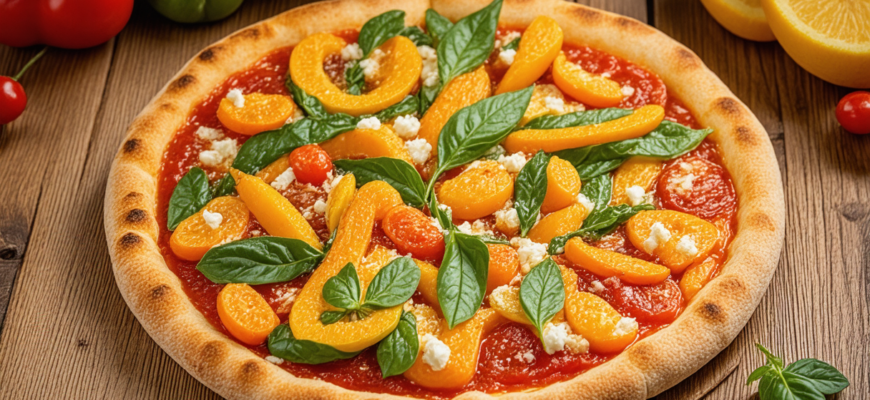
Pizza has long been celebrated as a versatile dish that allows for endless creativity in toppings and flavor combinations. While traditional pizzas often center around meats and cheese, plant-based options—especially those packed with fresh vegetables—are gaining popularity among food enthusiasts worldwide. Not only do veggie-based pizzas offer a healthier alternative, but they also present an opportunity to create visually stunning and flavor-rich culinary masterpieces. In this comprehensive guide, explore how to craft the perfect veggie pizza that pleases the palate and delights the eyes.
- The Appeal of Vegetable-Based Pizzas
- History and Evolution of Vegetable Pizzas
- The Origins of Pizza and Its Vegetable Variations
- The Rise of Vegetarian and Vegan Pizzas
- Choosing the Right Base: Dough and Sauce
- Homemade vs. Store-Bought Dough
- Flavorful and Colorful Sauces
- Vegetable Toppings for a Feast of Colors and Flavors
- Essential Vegetables for an Aesthetic and Tasty Pizza
- Adding Color and Texture with Vegetables
- Cheese and Alternative Bases to Complement Vegetable Toppings
- Traditional and Plant-Based Cheeses
- Innovative Bases and Their Impact
- Step-by-Step Guide to Making Flavorful and Colorful Veggie Pizzas
- Preparation of Ingredients
- Assembly Tips
- Baking the Pizza
- Creative Variations and Tips for Success
- Flavor Combinations to Try
- Tips for Achieving a Perfect Veggie Pizza
- Nutrition Facts and Benefits of Veggie Pizzas
- Embrace the Color and Flavor of Plant-Based Pizzas
The Appeal of Vegetable-Based Pizzas
Vegetable pizzas are a testament to the adage that “less is more.” They emphasize natural flavors, vibrant colors, and nutritional benefits, making them an excellent choice for health-conscious consumers. Besides their aesthetic appeal, they are incredibly adaptable, accommodating a multitude of dietary preferences and restrictions, such as vegetarian, vegan, or gluten-free diets. Moreover, vegetable toppings can be combined with a variety of cheeses, sauces, and crust types to produce unique flavors suited for every taste.
History and Evolution of Vegetable Pizzas
The Origins of Pizza and Its Vegetable Variations
While pizza’s roots trace back to ancient civilizations like the Greeks and Egyptians, the classic modern pizza originated in Naples, Italy. Traditionally, Neapolitan pizza features simple toppings such as tomato, basil, and mozzarella, but over centuries, regional variations and creative innovations have expanded its boundaries. The inclusion of vegetables on pizza aligns with these culinary evolutions, reflecting local produce availability, health trends, and international influences.
The Rise of Vegetarian and Vegan Pizzas
In recent decades, the rise of vegetarianism and veganism has propelled the popularity of vegetable-centered pizzas. These pizzas offer an alternative to meat-heavy options, emphasizing plant-based ingredients’ flavor and nutritional qualities. Restaurants and home cooks alike have experimented with diverse toppings—ranging from roasted eggplant to vegan cheese—pushing the boundaries of traditional pizza cuisine.
Choosing the Right Base: Dough and Sauce
Homemade vs. Store-Bought Dough
The foundation of any good pizza begins with its crust. Homemade dough allows customization in thickness, texture, and flavor, while store-bought options provide convenience. A typical pizza dough recipe includes flour, water, yeast, salt, and a touch of olive oil. For a crispier crust, opt for a higher baking temperature and a thin base; for a chewier, doughier experience, choose a thicker crust.
Flavorful and Colorful Sauces
- Tomato-based sauces: Classic and timeless, made from ripe tomatoes, garlic, herbs, and olive oil. Variations include roasted tomato sauce for a smoky flavor.
- White sauces: Creamy options like béchamel or garlic Alfredo-based sauces provide a rich base for vegetable toppings.
- Vegan sauces: Pesto, roasted red pepper, or avocado-based sauces add unique flavors and vibrant colors.
Vegetable Toppings for a Feast of Colors and Flavors
Essential Vegetables for an Aesthetic and Tasty Pizza
When selecting vegetables for pizza, aim for a variety of textures, flavors, and colors. Fresh, seasonal produce ensures maximum flavor and visual appeal. Some popular toppings include:
- Bell peppers: Available in red, yellow, orange, and green—add sweetness and vibrant hues.
- Red onions: Provide a slight pungency and color contrast.
- Cherry tomatoes: Juicy and bursting with flavor, especially when roasted.
- Zucchini and yellow squash: Sliced thin, they add a mild taste and subtle texture.
- Olives: For briny notes that complement other vegetables.
- Artichoke hearts: Offer a tender texture and tangy flavor.
- Mushrooms: Porcini, shiitake, or button mushrooms add umami richness.
- Baby spinach or arugula: Fresh greens added after baking for a peppery or tender bite.
Adding Color and Texture with Vegetables
Consider how vegetables are prepared to enhance their appearance and taste:
- Roasted: Caramelizes sugars, deepening flavor. Ideal for peppers, onions, and zucchini.
- Sautéed: Softens vegetables while maintaining color.
- Raw: Adds freshness—perfect for leafy greens or thinly sliced radishes.
Cheese and Alternative Bases to Complement Vegetable Toppings
Traditional and Plant-Based Cheeses
Cheese balances toppings and adds creaminess. Choices include:
- Mozzarella: Classic, melts beautifully, and pairs well with most vegetables.
- Cheddar: Sharper flavor for a more robust taste.
- Feta: Salty and crumbly, excellent with Mediterranean toppings.
- Vegan cheeses: Made from cashews, soy, or coconut oil for dairy-free options.
Innovative Bases and Their Impact
Besides the traditional wheat dough, consider alternative bases such as:
- Cauliflower crust: Low carb and gluten-free, offers a mild flavor that highlights toppings.
- Whole grain or spelt crust: Adds fiber and a nutty taste.
- Stuffed crust or thin base: For different textural experiences.
Step-by-Step Guide to Making Flavorful and Colorful Veggie Pizzas
Preparation of Ingredients
- Wash and prepare vegetables: slicing, dicing, roasting, or sautéing as needed.
- Preheat the oven to at least 220°C (430°F) for optimal baking.
- Prepare the dough, either homemade or store-bought, and roll into your desired thickness.
- Spread your chosen sauce evenly over the dough base.
Assembly Tips
- Start with a thin layer of sauce to avoid sogginess.
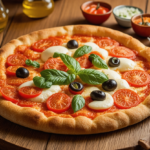
- Arrange vegetables in a visually appealing manner, combining colors and textures.
- Distribute cheese evenly or in clusters for aesthetic effect.
- Add herbs or spices such as basil, oregano, or chili flakes for enhanced flavor.
Baking the Pizza
Bake on a preheated pizza stone or a baking sheet for 10-15 minutes, or until crust is golden and cheese is bubbly. Use a pizza peel or spatula to transfer the pizza into the oven and monitor carefully for perfect results.
Creative Variations and Tips for Success
Flavor Combinations to Try
- Sweet and savory: Roasted red peppers with caramelized onions and a drizzle of balsamic glaze.
- Herbaceous: Fresh basil, oregano, and thyme with cherry tomatoes and zucchini.
- Spicy: Jalapeños, chili flakes, and black olives paired with vegan cheese.
Tips for Achieving a Perfect Veggie Pizza
- Use high-quality, fresh vegetables for maximum flavor.
- Don’t overload the pizza to ensure proper baking and crispy crust.
- Pre-cook dense vegetables to enhance their texture and flavor.
- Finish with fresh herbs and a splash of olive oil after baking for aroma and freshness.
Nutrition Facts and Benefits of Veggie Pizzas
| Nutritional Component | Benefits |
|---|---|
| Low in saturated fat | Supports cardiovascular health |
| Rich in dietary fiber | Enhances digestion and helps maintain weight |
| High in vitamins and antioxidants | Boosts immune system and reduces oxidative stress |
| Low calorie | Suitable for weight management |
Embrace the Color and Flavor of Plant-Based Pizzas
Veggie-based pizzas are more than just a healthy alternative—they are a canvas for culinary artistry. By thoughtfully selecting colorful vegetables, experimenting with sauces and cheeses, and mastering the art of baking, home cooks and professionals can craft pizzas that are visually stunning and bursting with flavor. Whether as a quick lunch or an impressive dinner, vegetable pizzas offer endless possibilities to indulge in nutrition and aesthetics simultaneously. Creativity, freshness, and passion in the kitchen turn simple ingredients into a delicious celebration of color and taste.
Похожие записи:
 Scandinavian Rye-Based Flatbread Pizzas: A Delicious Twist on Traditional Pizza
  The Rise of Healthy and Alternative Pizza Options: A Delicious Revolution
  Perfectly Pairing Your Pizza with Delicious Side Dishes: A Complete Guide
  Mastering Restaurant-Quality Pizzas at Home: The Ultimate Guide to Using a Pizza Stone
  Using a Grill to Achieve Smoky-Flavored Pizzas: The Ultimate Guide for Pizza Enthusiasts
  Mastering the Art of Stuffed Crusts: Techniques for Making Delicious Pizzas at Home
  The Journey of Creating Vegan Cheese for Pizza: From Concept to Slice
  Ultimate Guide: Tips for Cooking Different Styles of Pizza at Home
  Albanian Flia with Layered Fillings: A Delicious Twist on Traditional Pizzas
  Lebanese Manakish with Za’atar and Cheese: A Delicious Twist on Traditional Pizzas
  Mastering Vegan and Vegetarian Pizza: Delicious Recipes and Culinary Inspiration
  Ultimate Guide to Troubleshooting Common Pizza Baking Problems: Tips & Solutions
  Choosing the Perfect Flour for Flawless Pizza Dough: A Complete Guide
  The Evolution of Pizza Sauce Recipes Over Time: A Delicious Journey Through History
  The Rise of Gluten-Free and Vegan Pizza Options: A Delicious Revolution
  Mastering Gluten-Free and Keto-Friendly Pizza Bases: Delicious Recipes and Tips