
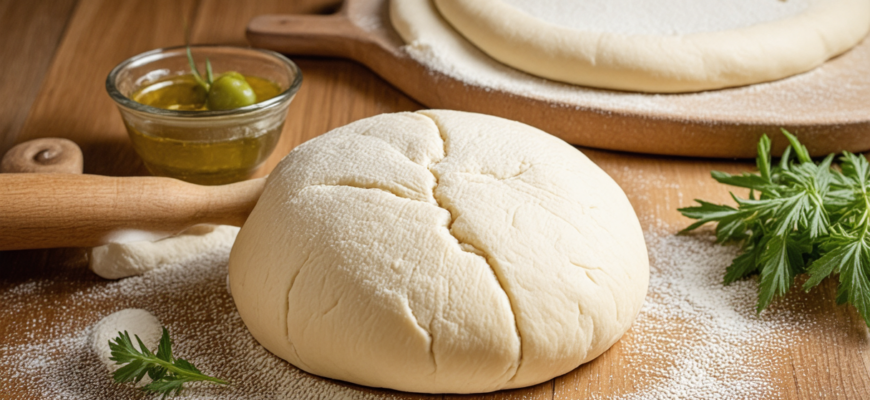
Creating a flawless pizza crust with the ideal rise is both an art and a science. The perfect rise ensures your pizza is light, airy, and chewy, with a beautiful golden crust that complements any toppings. Whether you are a beginner or an experienced pizza maker, understanding the nuances behind fermentation, dough handling, and baking techniques can elevate your homemade pies to professional quality. This comprehensive guide explores every aspect necessary to achieve a perfect rise for your pizza crust, featuring tips, scientific explanations, and practical steps.
- Understanding the Science of Dough Rising
- What Is Dough Rise and Why Does It Matter?
- Key Components Affecting Dough Rise
- How to Achieve the Ideal Dough Rise
- 1. Selecting the Right Ingredients
- 2. Correct Hydration Levels
- 3. Ideal Fermentation Conditions
- Temperature
- Time
- Humidity
- 4. Techniques to Enhance Dough Rise
- A. Proper Kneading
- B. Use of Preferments
- C. Temperature Control
- D. Proper Dough Handling
- Common Mistakes That Impair Dough Rise and How to Avoid Them
- 1. Using Expired or Inactive Yeast
- 2. Insufficient Proofing Time
- 3. Overproofing or Underproofing
- 4. Incorrect Temperature Settings During Baking
- Step-by-Step Guide to Achieve a Perfect Rise
- Step 1: Mixing Ingredients
- Step 2: Kneading
- Step 3: First Fermentation (Bulk Rise)
- Step 4: Shaping
- Step 5: Second Rise (Optional)
- Step 6: Baking
- Advanced Tips for Superior Rise
- 1. Incorporating Sourdough Starters
- 2. Using Hydration and Hydration Techniques
- 3. Cold Fermentation for Flavor and Rise
- 4. Baking with Steam
- Summary: Achieving the Perfect Rise
- Additional Resources and Tools for Success
Understanding the Science of Dough Rising
What Is Dough Rise and Why Does It Matter?
The rise of pizza dough is primarily driven by fermentation, a biological process where yeast consumes sugars — converting them into carbon dioxide (CO2) and alcohol. The CO2 bubbles get trapped within the gluten network, causing the dough to expand and develop a light, airy structure. The quality of this rise directly influences the texture, taste, and appearance of the final pizza crust.
Key Components Affecting Dough Rise
- Yeast: The leavening agent that produces CO2. Different types of yeast (instant, active dry, fresh) have varied fermentation rates.
- Sugar: Serves as food for yeast, influencing fermentation speed and flavor development.
- Gluten: The protein network providing elasticity, trapping CO2 bubbles for a voluminous rise.
- Liquid: Hydrates the flour proteins and activates the yeast.
- Salt: Regulates yeast activity and strengthens gluten but can slow fermentation if overused.
How to Achieve the Ideal Dough Rise
1. Selecting the Right Ingredients
For consistent and reliable rising, choosing high-quality ingredients is crucial. Use bread or high-gluten flour to develop a strong gluten matrix. Opt for fresh, active yeast — whether instant or dry — and ensure all ingredients are fresh and properly measured. The hydration level (ratio of water to flour) plays a vital role in dough extensibility and rise.
2. Correct Hydration Levels
The hydration percentage, calculated as (water weight / flour weight) x 100%, impacts dough behavior. Typical pizza dough hydration ranges from 60% to 70%. Higher hydration yields lighter, more airy crusts but can be more challenging to handle. Here’s a quick reference:
| Hydration Level (%) | Result | Difficulty |
|---|---|---|
| 60% | Firm, chewy crust | Easy to handle |
| 65-70% | Light, airy, and tender crust | Moderate handling |
| >70% | Very light, open crumb | Requires skill and proper techniques |
3. Ideal Fermentation Conditions
Temperature
The optimal temperature for yeast fermentation is between 24°C and 28°C. Too cold, and fermentation slows dramatically; too hot (>35°C), and yeast activity can die or produce off-flavors.
Time
The fermentation period impacts dough flavor and rise. A typical bulk rise lasts from 1 to 3 hours for standard doughs. For enhanced flavor, a slow cold fermentation in the refrigerator (12-48 hours) is highly recommended, as it develops complex flavors and improves gluten structure.
Humidity
Maintaining a humid environment prevents the crust from drying out and promotes even rising.
4. Techniques to Enhance Dough Rise
A. Proper Kneading
Kneading develops gluten networks vital for trapping CO2. Incorporate appropriate kneading time (10-15 minutes by hand or 8-10 minutes in a mixer) to achieve a smooth, elastic dough.
B. Use of Preferments
Employing preferments like biga, poolish, or sourdough starter allows for a longer fermentation process, resulting in superior flavor and rise.
C. Temperature Control
Utilize proofing boxes or warm spots in the kitchen to maintain consistent fermentation temperatures.
D. Proper Dough Handling
After kneading, avoid overworking the dough. Gentle shaping preserves the gas bubbles and prevents degassing, which could interfere with rising.
Common Mistakes That Impair Dough Rise and How to Avoid Them
1. Using Expired or Inactive Yeast
Always verify the freshness of yeast. Store yeast in a cool, dry place and test it in warm water with sugar before use to ensure activity.
2. Insufficient Proofing Time
Rushing the fermentation process results in dense, flat crusts. Patience is key, especially during cold fermentations.
3. Overproofing or Underproofing
- Underproofed dough: Will not develop enough volume and may result in a dense crust.
- Overproofed dough: Can collapse, leading to a flat or gummy crust.
Check proofing status by gently pressing the dough; it should spring back slowly.
4. Incorrect Temperature Settings During Baking
Baking at too low a temperature prevents the crust from achieving a proper rise and color. A hot oven (250-300°C) is essential for a good crust.
Step-by-Step Guide to Achieve a Perfect Rise
Step 1: Mixing Ingredients
Combine flour, water, yeast, salt, and optional sugar or oil. Mix until a shaggy dough forms.
Step 2: Kneading
Knead the dough until elastic and smooth, about 10-15 minutes by hand or using a mixer with a dough hook.
Step 3: First Fermentation (Bulk Rise)
- Place dough in a lightly oiled bowl.
- Cover with plastic wrap or a damp cloth.
- Ferment at 24-28°C for 1-3 hours or until doubled in size. For enhanced flavor, refrigerate for 12-48 hours.
Step 4: Shaping
Punch down the dough to release excess gas. Gently stretch or roll into the desired pizza shape, preserving the gas bubbles for a light crust.
Step 5: Second Rise (Optional)
If desired, allow the shaped dough to rise again for 15-30 minutes at room temperature to further develop volume.
Step 6: Baking
Preheat oven to high temperatures (250°C to 300°C). Use a pizza stone or steel for optimal heat transfer. Bake until the crust is golden and crisp, typically 7-12 minutes.
Advanced Tips for Superior Rise
1. Incorporating Sourdough Starters
Sourdough fermentation naturally produces more complex flavors and a robust rise due to wild yeast and natural acids.
2. Using Hydration and Hydration Techniques
Higher hydration doughs stretch more easily and produce open crumb structures. Techniques like stretch and fold improve gluten strength in high hydration doughs.
3. Cold Fermentation for Flavor and Rise
Slow fermentation at lower temperatures allows yeast to work gradually, producing deeper flavor and better rise due to extended gluten development.
4. Baking with Steam
Introducing steam in the initial phase of baking helps the crust expand before it hardens, leading to a lighter and more risen crust.
Summary: Achieving the Perfect Rise
Achieving an impeccable rise involves understanding the complex interplay of ingredients, fermentation conditions, handling, and baking techniques. The key points include using fresh yeast, maintaining optimal fermentation temperatures, controlling hydration levels, and employing proper dough handling practices. Patience and precision are essential, and experimenting with techniques such as cold fermentation or preferments can lead to exceptional results. Mastery of these factors ensures a crust that is airy, chewy, and golden — the hallmark of a truly pizza perfection.
Additional Resources and Tools for Success
- Thermometers: To monitor dough and oven temperatures accurately.
- Kitchen Scale: For precise measurement of ingredients.
- Proofing Box or Warm Spot: To control fermentation environment.
- High-Quality Flour: Preferably bread flour or 00 flour for authentic texture.
- Techniques: Learn methods like stretch and fold, proper shaping, and steam baking for best results.
Mastering the perfect rise for your pizza crust is a highly rewarding process that combines scientific understanding with practiced skill. With attention to detail, patience, and a willingness to experiment, any home chef can produce pizzas with beautifully risen, irresistibly light crusts. Whether aiming for a traditional Neapolitan, artisanal, or inventive style, the principles outlined here serve as a foundation for creating pizzas that impress with their appearance, texture, and flavor. Remember, the journey to pizza perfection is continuous; each bake brings new insights and improvements. Happy baking!
Похожие записи:
 Mastering Thin-Crust Pizza: Secrets to Achieve Perfect Crispiness and Tenderness
  Mastering Homemade Pizza Dough: Expert Tips for Perfect Results
  Choosing the Perfect Flour for Flawless Pizza Dough: A Complete Guide
  Mastering Oven Temperatures: The Key to Perfect Baking Every Time
  Mastering the Art of Evenly Cooked Pizza Toppings Without Burning the Crust
  Mastering Restaurant-Quality Pizzas at Home: The Ultimate Guide to Using a Pizza Stone
  Mastering Pizza Craft: How to Use a Pizza Peel for Effortless Oven Transfer
  Mastering Pizza Transfers: How Parchment Paper Simplifies Your Cooking Process
  The Rise of Gluten-Free and Vegan Pizza Options: A Delicious Revolution
  Mastering Vegan and Vegetarian Pizza: Delicious Recipes and Culinary Inspiration
  Mastering the Art of Stuffed Crusts: Techniques for Making Delicious Pizzas at Home
  Ultimate Guide to Troubleshooting Common Pizza Baking Problems: Tips & Solutions
  Mastering Gluten-Free and Keto-Friendly Pizza Bases: Delicious Recipes and Tips
  The Rise of Healthy and Alternative Pizza Options: A Delicious Revolution
  Swedish Spritz with Its Thin Crust and Savory Toppings: A Delicious Twist in Pizza Styles
  The Rise of American-Style Pizza in the 20th Century: A Delicious Cultural Transformation