
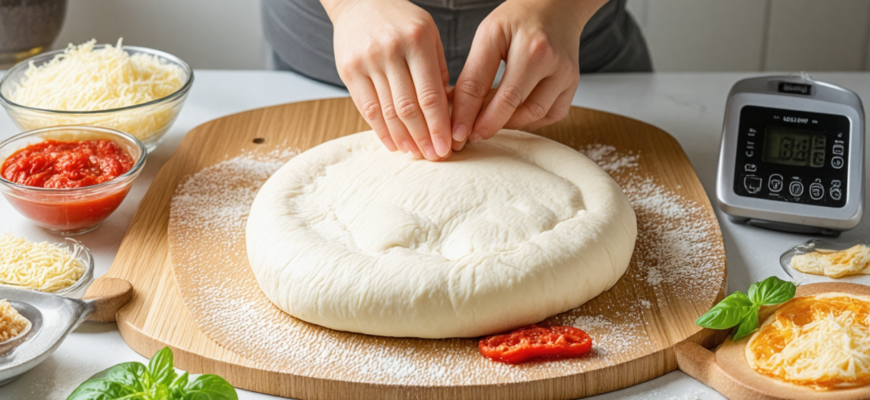
Pizza is one of the most beloved dishes worldwide, appreciated for its versatility, rich flavors, and comforting appeal. While ordering from a pizzeria is convenient, making homemade pizza dough from scratch offers a unique experience: control over ingredients, customization of flavor, and the satisfaction of creating a culinary masterpiece from basic components. Whether you are a novice or an eager home chef seeking to refine your skills, mastering the art of preparing pizza dough is essential. This comprehensive guide provides expert tips, techniques, and insider knowledge to help you craft the perfect dough every time.
- Understanding the Foundations of Pizza Dough
- Key Techniques for Crafting Excellent Pizza Dough
- 1. Proper Measurement and Ingredient Selection
- 2. Dough Hydration and Water-to-Flour Ratio
- 3. Mixing and Kneading Techniques
- 4. Fermentation and Proofing
- 5. Degassing and Shaping
- 6. Baking Techniques and Equipment
- Step-by-Step Guide to Making Homemade Pizza Dough
- Ingredients List:
- Instructions:
- Troubleshooting Common Issues
- 1. Dough Too Sticky
- 2. Dough Not Rising
- 3. Crust Too Dense
- 4. Crust Doesn’t Brown or Crisp Up
- Advanced Tips for Valued Pizza Enthusiasts
- Flavor Enhancers and Variations
- Innovative Dough Recipes
- The Science Behind Perfect Pizza Dough
- Gluten Development
- Fermentation Chemistry
- Maillard Reaction
- Becoming a Homemade Pizza Artisan
- Additional Resources
Understanding the Foundations of Pizza Dough
Before diving into the practical tips, it’s crucial to understand what makes a good pizza dough. The dough’s texture, flavor, and elasticity depend on several key ingredients and a few fundamental processes. Here’s a breakdown of the core components:
| Ingredient | Function | Notes |
|---|---|---|
| Flour | Structure and chewiness | High-protein flour (bread flour) is preferred for elasticity |
| Water | Hydrates gluten and activates enzymes | Temperature affects fermentation rate |
| Yeast | Leavening agent, produces bubbles for rise | Active dry or instant yeast; fermentation time varies |
| Salt | Controls fermentation, adds flavor | Use in moderation to avoid inhibiting yeast activity |
| Oil/oil-based fats | Tenderizes dough, enhances flavor | Olive oil is traditional |
| Sugar | Feeds yeast, influences browning | Optional, based on recipe |
Key Techniques for Crafting Excellent Pizza Dough
1. Proper Measurement and Ingredient Selection
Success begins with precise measurement. Use a digital kitchen scale to weigh ingredients, ensuring accuracy. Opt for high-quality, protein-rich flours such as bread flour for better gluten development. Fresh, active yeast produces more reliable results than expired or inactive yeast. Using cold or warm water influences fermentation; typically, lukewarm water (around 38°C / 100°F) encourages optimal yeast activity.
2. Dough Hydration and Water-to-Flour Ratio
The hydration level of the dough significantly impacts texture. Hydration is expressed as a percentage based on flour weight. For example, 60% hydration means 60 grams of water per 100 grams of flour. Higher hydration (65-70%) yields a lighter, airier crust with a more open crumb, while lower hydration produces a denser dough. Experimenting with different ratios allows customization of crust properties.
3. Mixing and Kneading Techniques
Effective kneading develops gluten, giving dough its elasticity and strength. Mechanical kneading or hand kneading can be employed—each has benefits. Knead until the dough is smooth, elastic, and slightly tacky but not sticky. This typically takes about:
- 8-10 minutes by hand
- 5-7 minutes in a stand mixer with a dough hook
Over or under-kneading can affect dough volume and texture; a windowpane test helps determine readiness: stretch a small piece of dough into a thin, translucent membrane without tearing.
4. Fermentation and Proofing
This process allows yeast to produce carbon dioxide, causing the dough to rise and develop flavor. Proper fermentation enhances dough extensibility and taste. Key points include:
- Initial bulk fermentation at room temperature (18-22°C / 65-72°F) for 1-2 hours
- Cold fermentation (retarding in the fridge) for 12-72 hours enhances flavor and texture
Ensure the dough is covered with plastic wrap or a damp cloth to prevent drying. The ideal proofing conditions are warm, humid environments, but low temperatures slow fermentation, promoting deeper flavor.
5. Degassing and Shaping
After fermentation, gentle degassing prevents large air bubbles and prepares the dough for shaping. Use your hands or a rolling pin, working from the center outward, to achieve a uniform thin crust. Proper shaping avoids tearing and ensures even baking results.
6. Baking Techniques and Equipment
High-temperature baking yields authentic Neapolitan-style crusts with charred edges and airy crumb. Use:
- Pizza stones or steel plates preheated in the oven to at least 250°C / 482°F
- Maximum oven temperature possible (ideally 300-350°C / 572-662°F)
- Preheated equipment ensures immediate heat transfer and proper crust formation
Step-by-Step Guide to Making Homemade Pizza Dough
Ingredients List:
- 500 grams bread flour (about 3 ⅓ cups)
- 325 ml lukewarm water (about 1 ⅓ cups)
- 10 grams salt (about 2 teaspoons)
- 7 grams instant yeast (about 2 teaspoons)
- 15 ml olive oil (about 1 tablespoon)
- Optional: 1 teaspoon sugar
Instructions:
- Activate Yeast: Dissolve yeast (and sugar, if using) in lukewarm water. Let sit for 5-10 minutes until frothy.
- Mix ingredients: In a large bowl, combine flour and salt. Add the activated yeast mixture and olive oil.
- Mix and Knead: Mix until ingredients form a rough dough. Knead by hand or mixer for about 8-10 minutes until smooth and elastic.
- First Proofing: Shape dough into a ball, place in a lightly oiled bowl, cover with plastic wrap or a damp cloth. Let rise at room temperature for 1-2 hours until doubled in size.
- Cold Fermentation (optional): Punch down the dough, reshape into a ball, and refrigerate covered for 12-72 hours for more flavor development.
- Shaping: Divide dough into desired portions (for one large or two smaller pizzas). Gently stretch or roll into a thin circle, maintaining a slightly thicker edge for crust.
- Baking: Place on preheated pizza stone or steel, add toppings, and bake at high temperature (250-300°C / 482-572°F) for 7-12 minutes until golden and crispy.
Troubleshooting Common Issues
1. Dough Too Sticky
If your dough feels unmanageable or sticks excessively, sprinkle a small amount of flour during kneading. However, avoid adding too much, as it can toughen the dough.
2. Dough Not Rising
This could be due to inactive yeast or unsuitable temperature. Ensure yeast is fresh, water is not too hot (which kills yeast), and proofing environment is warm enough.
3. Crust Too Dense
Under-kneaded or insufficient fermentation may cause a dense crust. Knead thoroughly, allow adequate rising time, and ensure proper shaping.
4. Crust Doesn’t Brown or Crisp Up
Use a preheated pizza stone/steel, increase oven temperature, and avoid overcrowding with toppings to enable proper heat circulation and browning.
Advanced Tips for Valued Pizza Enthusiasts
Flavor Enhancers and Variations
- Adding herbs like rosemary or garlic into the dough.
- Incorporating whole wheat or spelt flour for different textures and flavors.
- Using a preferment (like an overnight sponge) to develop complex flavor profiles.
Innovative Dough Recipes
| Recipe Type | Description | Highlights |
|---|---|---|
| Whole Wheat Dough | Whole wheat flour replaces part of the white flour | Rich in fiber, nutty flavor |
| Gluten-Free Dough | Uses alternative flours like rice, almond, or chickpea flour | Suitable for gluten intolerance |
| Sourdough Pizza Dough | Uses naturally fermented starter instead of commercial yeast | Deep flavor, chewy crust, longer fermentation |
The Science Behind Perfect Pizza Dough
Optimizing the chemical interactions during dough preparation can ensure excellent results. Key scientific principles include:
Gluten Development
Gluten is formed when water interacts with gliadin and glutenin proteins in flour, creating an elastic network. Proper kneading aligns proteins to form this network, providing stretchiness and strength.
Fermentation Chemistry
Yeast metabolizes sugars, producing ethanol and carbon dioxide. The CO₂ gets trapped within gluten networks, causing the dough to rise. Fermentation also produces flavors through enzymatic reactions and acid development.
Maillard Reaction
High oven temperatures trigger browning through Maillard reactions, imparting flavor and color to the crust. Ensuring a hot oven and proper preheated cooking surface is crucial for crust quality.
Becoming a Homemade Pizza Artisan
Mastering homemade pizza dough from scratch requires patience, practice, and understanding of fundamental principles. By focusing on precise measurements, proper mixing, fermentation, shaping, and baking techniques, aspiring chefs can achieve bakery-quality results in their home kitchens. Experimentation with different ingredients and methods will uncover unique flavors and textures, elevating homemade pizzas to a new level. Remember, the journey to perfect dough is as rewarding as the delicious pies it creates—so embrace the process and enjoy crafting pizzas tailored to every taste.
Additional Resources
- Video Tutorials on Pizza Dough Making
- Ingredient Selection Guides
- Recipe Collections for Different Pizza Styles
Похожие записи:
 Choosing the Perfect Flour for Flawless Pizza Dough: A Complete Guide
  Mastering Thin-Crust Pizza: Secrets to Achieve Perfect Crispiness and Tenderness
  Mastering Oven Temperatures: The Key to Perfect Baking Every Time
  Mastering Gluten-Free and Keto-Friendly Pizza Bases: Delicious Recipes and Tips
  Ultimate Guide to Troubleshooting Common Pizza Baking Problems: Tips & Solutions
  Ultimate Guide: Tips for Cooking Different Styles of Pizza at Home
  Mastering Restaurant-Quality Pizzas at Home: The Ultimate Guide to Using a Pizza Stone
  Mastering Pizza Craft: How to Use a Pizza Peel for Effortless Oven Transfer
  Mastering the Art of Stuffed Crusts: Techniques for Making Delicious Pizzas at Home
  Mastering Pizza Transfers: How Parchment Paper Simplifies Your Cooking Process
  Mastering the Art of Evenly Cooked Pizza Toppings Without Burning the Crust
  Mastering Vegan and Vegetarian Pizza: Delicious Recipes and Culinary Inspiration
  Discover the Perfect Georgian Mchadi with Toppings: A Delicious Traditional Bread to Complement Every Meal
  Creative Ways to Make Gluten-Free Pizza Crusts: Elevate Your Pizza Experience
  Neapolitan Pizza: The Art of Authentic Preparation
  Roman Pizza al Taglio and Its Rectangular Slices: A Deep Dive into Tradition, Technique, and Tastes