
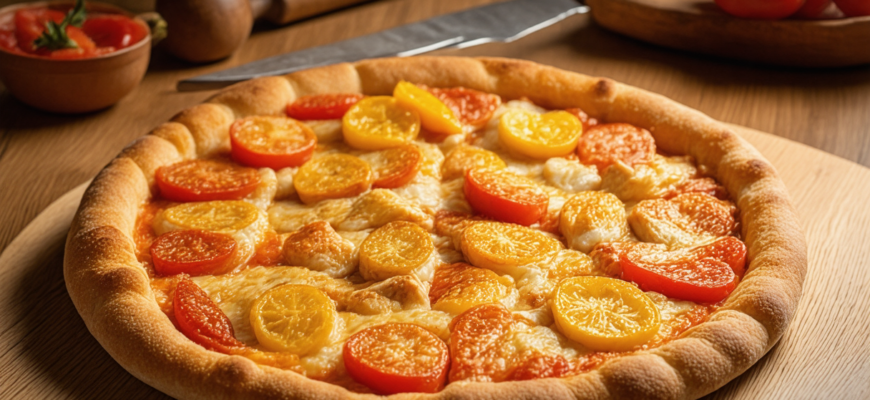
Pizza is a universal favorite, loved by millions around the world for its versatile flavors and satisfying textures. A delicious homemade pizza boasts a perfectly crispy crust topped with a generous layer of flavorful ingredients. However, achieving that ideal balance — where the toppings are perfectly cooked and the crust remains unburned — often presents a challenge for home cooks and professionals alike. This comprehensive guide explores essential techniques, baking tips, and ingredient management strategies to ensure your pizza toppings are evenly cooked without compromising the integrity of the crust.
- Understanding the Science of Pizza Baking
- The Structure of a Pizza: Crust and Toppings
- Heat Transfer in Baking
- Choosing the Right Oven and Equipment
- Types of Ovens and Their Impact
- Proper Equipment for Even Cooking
- Controlling Temperature and Baking Time
- Optimal Oven Temperature
- Timing Strategies
- Managing Toppings for Perfect Cooking
- Ingredient Selection and Preparation
- Layering Toppings Effectively
- Techniques to Prevent Burning Toppings or Crust
- Use of Shields and Foil
- Adjusting Oven Rack Position
- Monitoring and Timing
- Practical Tips and Common Mistakes to Avoid
- Tips for Success
- Common Mistakes and How to Address Them
- Sample Baking Guide for Perfect Results
- Achieving the Perfect Balance
Understanding the Science of Pizza Baking
The Structure of a Pizza: Crust and Toppings
Before diving into baking techniques, it is important to understand the basic structure of a pizza. Typically, a pizza consists of three main elements:
- The Crust: Provides the base and texture, ideally crisp on the outside and tender inside.
- The Sauce: Adds moisture and flavor, often acting as a barrier to protect the crust from becoming soggy.
- The Toppings: Meat, vegetables, cheese, herbs, and other ingredients that bring flavor and visual appeal.
Each component has specific characteristics that influence baking time and temperature. Proper balancing ensures that toppings cook thoroughly without burning or undercooking, maintaining the crust’s integrity.
Heat Transfer in Baking
Understanding heat transfer methods during baking helps to optimize the process. Main modes include:
- Convection: Hot air circulates within the oven, evenly distributing heat.
- Conduction: Direct transfer of heat through contact, such as from the hot baking surface to the dough.
- Radiation: Infrared heat that directly transfers energy to the pizza surface and toppings.
Effective baking involves leveraging these methods to ensure even cooking. For instance, a preheated pizza stone or steel promotes conduction, leading to a crunchier crust, while convection ovens promote uniform heat distribution, reducing hot spots that cause uneven cooking.
Choosing the Right Oven and Equipment
Types of Ovens and Their Impact
The choice of oven plays a crucial role in achieving evenly cooked toppings and a perfect crust. Common options include:
- Conventional Electric/Oil Ovens: Widely available but may have uneven heat distribution, requiring careful temperature management.
- Convection Ovens: Equipped with fans that circulate air for more uniform baking, ideal for home pizza baking.
- Wood-Fired Ovens: Capable of reaching very high temperatures, producing authentic Neapolitan-style pizza with quick cooking times.
- Pizza Stones and Steels: Provide a hot, even surface that mimics traditional brick ovens, promoting better crust crispness.
Proper Equipment for Even Cooking
Investing in the right tools can significantly improve baking outcomes. Essential equipment includes:
- Pizza Stone or Steel: Ensures even heat transfer to the crust, reducing hot spots and preventing burning.
- Infrared Thermometer: Allows for precise measurement of oven and baking surface temperature.
- Heat-Resistant Pizza Peel: Facilitates the safe placement and removal of pizza, especially when working with hot stones or steels.
Controlling Temperature and Baking Time
Optimal Oven Temperature
High temperatures are essential for authentic-style pizzas, typically ranging from 250°C to 350°C (480°F to 660°F). For home baking, preheating the oven to the maximum temperature it can safely reach is critical. Additionally, using a preheated stone or steel can significantly improve the crust quality.
Timing Strategies
Baking time varies depending on the oven temperature, dough thickness, and topping moisture. As a general rule:
- Thin-crust pizzas: 5–7 minutes at high heat.
- Thick-crust or deep-dish: 10–15 minutes.
An oven thermometer can help track the actual temperature, ensuring consistency. Monitoring the pizza during baking allows adjustments, such as rotating the pizza for even cooking or removing it from the oven when the toppings are perfectly cooked and the crust is golden brown.
Managing Toppings for Perfect Cooking
Ingredient Selection and Preparation
The choice and preparation of toppings directly impact their cooking time and moisture content. Tips include:
- Pre-cooking Wet Ingredients: Vegetables like mushrooms, peppers, or onions benefit from sautéing or pre-roasting to remove excess moisture, preventing sogginess and uneven cooking.
- Using Moderate Amounts of Sauces and Cheeses: Excess moisture can cause toppings to steam and delay cooking, leading to unevenness and possible burning of the crust.
- Chopping Toppings Uniformly: Ensures even cooking, avoiding under or overdone pieces.
Layering Toppings Effectively
Proper arrangement of ingredients can influence heat penetration and cooking uniformity. Consider the following:
- Base Layer of Sauce: Acts as a moisture barrier and prevents the crust from becoming soggy.
- Cheese and Heavier Toppings: Place on top of the sauce to insulate the crust from direct heat.
- Delicate or Quick-Cooking Toppings: Add towards the end of baking or after baking.
Techniques to Prevent Burning Toppings or Crust
Use of Shields and Foil
To protect delicate toppings or prevent the crust from over-browning, especially in high-temperature baking, aluminum foil or heat shields can be employed. For example:
- Cover toppings prone to burning, like thin slices of garlic or herbs, with foil during baking and remove near the end to finish browning.
- Attach a shield over the crust edges if they tend to burn before toppings are cooked thoroughly.
Adjusting Oven Rack Position
The placement of the pizza within the oven affects baking results:
- Upper Rack: Ideal for browning toppings and cheese rapidly.
- Lower Rack: Better for crisping the crust and conduction heat transfer.
Balancing these positions or rotating the pizza during baking ensures more even results.
Monitoring and Timing
Keeping a close eye on the pizza during baking prevents overcooking or burning. Use visual cues such as:
- Golden-brown crust edges.
- Cheese bubbling and slightly browned.
- Desired color of toppings, especially if they tend to burn quickly.
Practical Tips and Common Mistakes to Avoid
Tips for Success
- Preheat the oven thoroughly before baking.
- Utilize a pizza stone or steel for even heat distribution.
- Pre-cook or prepare toppings to manage moisture.
- Wear heat-resistant gloves and use proper tools for safe handling.
Common Mistakes and How to Address Them
- Overloading toppings: Excess toppings increase moisture and baking time, risking sogginess or burning.
- Low oven temperature: Leads to pale crust and undercooked toppings. Always preheat fully and bake at high temp.
- Ignoring placement: Hot spots can cause uneven cooking. Rotate pizza as needed.
Sample Baking Guide for Perfect Results
| Step | Action | Details |
|---|---|---|
| 1 | Preheat oven | Set oven to maximum safe temperature (250°C – 300°C). Place pizza stone or steel in the oven during preheating. |
| 2 | Prepare toppings | Pre-cook moisture-rich ingredients; slice evenly. |
| 3 | Assemble pizza | Layer sauce, cheese, toppings thoughtfully, insulating the crust. |
| 4 | Bake | Place pizza directly on preheated surface; bake for 5–7 minutes for thin crust, longer for thicker styles. |
| 5 | Monitoring | Observe the crust and toppings; rotate if necessary; remove when golden and cooked through. |
| 6 | Cooling and serving | Let rest for a few minutes before slicing to allow toppings to set. |
Achieving the Perfect Balance
Creating a pizza with evenly cooked toppings and a perfectly baked crust is a blend of art and science. Success depends on understanding the baking process, selecting appropriate equipment, managing ingredients thoughtfully, and employing strategic techniques to prevent burning. By mastering high-temperature baking, proper layering, and consistent monitoring, both amateur and professional chefs can produce pizza masterpieces with flavors and textures that rival those from renowned pizzerias. With practice and patience, every pizza becomes a delicious adventure in culinary excellence, delighting taste buds and impressing guests with flawless results every time.
Похожие записи:
 Mastering Oven Temperatures: The Key to Perfect Baking Every Time
  Mastering Restaurant-Quality Pizzas at Home: The Ultimate Guide to Using a Pizza Stone
  Mastering Pizza Transfers: How Parchment Paper Simplifies Your Cooking Process
  Swedish Spritz with Its Thin Crust and Savory Toppings: A Delicious Twist in Pizza Styles
  Mastering Vegan and Vegetarian Pizza: Delicious Recipes and Culinary Inspiration
  Using a Grill to Achieve Smoky-Flavored Pizzas: The Ultimate Guide for Pizza Enthusiasts
  Mastering the Art of Stuffed Crusts: Techniques for Making Delicious Pizzas at Home
  The Evolution of New York Thin-Crust Pizza: A Culinary Heritage of Flavor and Tradition
  Japanese Okonomiyaki with Pizza-Like Toppings: A Fusion of Flavors and Culinary History
  Ultimate Guide: Tips for Cooking Different Styles of Pizza at Home
  New York-Style Thin Crust Pizza: The Iconic Street Food of the Big Apple
  Discover the Perfect Georgian Mchadi with Toppings: A Delicious Traditional Bread to Complement Every Meal
  Mexican Tlayuda and Its Rustic Toppings: A Deep Dive into a Unique Culinary Tradition
  The Technological Innovations in Pizza Baking Techniques: Transforming Tradition into Modern Masterpieces
  Discovering Czech Pizza: Delicious Variations and Traditional Toppings
  The Influence of World Cuisines on Pizza Toppings: A Global Culinary Journey