
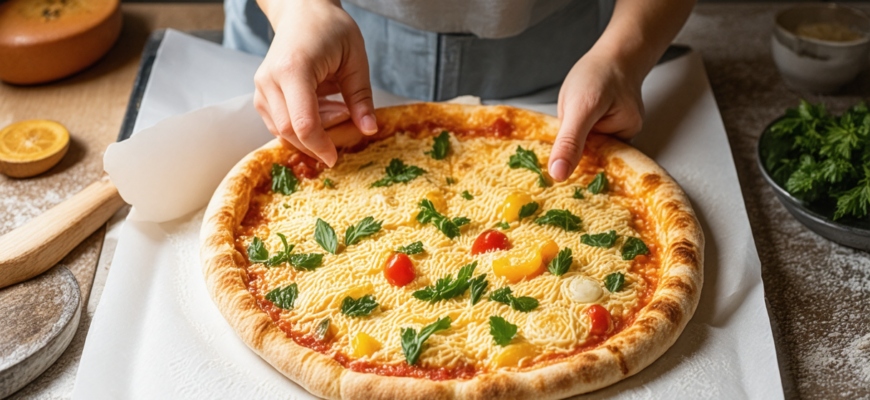
Creating the perfect pizza at home involves a combination of skill, the right ingredients, and effective techniques. One of the critical steps in making delicious homemade pizza is transferring the pizza from the preparation surface to the oven. This process can be tricky, especially when working with delicate dough or topping arrangements. Fortunately, using parchment paper can significantly streamline this step, making your pizza-making experience more enjoyable and ensuring excellent results every time. In this comprehensive guide, you’ll learn everything about leveraging parchment paper to make pizza transfer easier, from selecting the right parchment to mastering transfer techniques, along with tips, tricks, and troubleshooting advice to elevate your homemade pizza game.
- Why Use Parchment Paper for Pizza Making?
- Benefits of Parchment Paper in Pizza Preparation
- Choosing the Right Parchment Paper for Pizza
- Types of Parchment Paper
- Selecting High-Quality Parchment Paper
- Step-by-Step Guide to Using Parchment Paper for Pizza Transfer
- 1. Preparing the Dough and Toppings
- 2. Assembling the Pizza
- 3. Transferring the Pizza to the Oven
- 4. Baking and Serving
- Tips for Perfect Pizza Transfer Using Parchment
- 1. Use Enough Parchment Paper
- 2. Preheat the Oven and Baking Surface
- 3. Do Not Overload Toppings
- 4. Use a Pizza Peel or Flat Board
- 5. Practice Gentle Handling
- Troubleshooting Common Issues
- 1. Parchment Burning or Smoking
- 2. Parchment Tearing During Transfer
- 3. Difficulty Sliding the Pizza
- Innovative Techniques to Enhance Your Pizza Transfer Skills
- Using a Double-Layer of Parchment
- Employing the “Two-Pan” Method
- Incorporating Cornmeal or Semolina
- Comparing Parchment Paper and Other Transfer Methods
- Traditional Use of Floured Boards
- Using Cornmeal or Semolina Coated Peels
- Employing Reusable Silicone Baking Mats
- Enhancing Your Pizza-Making Experience
- Additional Resources and Recipes
- Classic Margherita Pizza Recipe
- Tips for Customizing Your Pizzas
- Final Thoughts
Why Use Parchment Paper for Pizza Making?
Benefits of Parchment Paper in Pizza Preparation
- Prevents Dough Stickiness: Parchment paper acts as a non-stick surface, preventing pizza dough from sticking to work surfaces, rolling pins, or pizza peels.
- Facilitates Easy Transfer: It enables smooth sliding of the assembled pizza onto the baking surface, reducing the risk of tearing or deforming the dough.
- Ensures Even Cooking: Parchment paper can be used directly on baking sheets or stones, providing a barrier that helps distribute heat evenly.
- Minimizes Cleanup: It minimizes mess by containing spills and toppings, simplifying the post-baking cleaning process.
- Offers Versatility: Suitable for various types of pizzas, including thin-crust, thick, gluten-free, and specialty options.
Choosing the Right Parchment Paper for Pizza
Types of Parchment Paper
| Type | Description | Best Use |
|---|---|---|
| Standard Parchment Paper | Made from paper treated with silicon to withstand high temperatures, typically safe up to 220°C (430°F). | Most home pizza baking, general purposes. |
| Silicone Baking Mats | Flexible, reusable mats with non-stick surface, designed to replace parchment paper. | Repeated use, eco-friendly options, baking multiple pizzas. |
| Greaseproof Paper | Less heat-resistant, primarily used for baking and wrapping, not ideal for high-temperature pizza baking. | Suitable only for lower-temperature tasks. |
Selecting High-Quality Parchment Paper
Opt for parchment paper labeled as food-grade and oven-safe. High-quality parchment is resistant to crumbling and tearing and provides consistent non-stick properties. When choosing, consider whether you plan to reuse the paper and whether you prefer eco-friendly options like silicone mats. Remember that cheaper alternatives may smoke, burn, or stick, impacting your pizza’s quality and safety.
Step-by-Step Guide to Using Parchment Paper for Pizza Transfer
1. Preparing the Dough and Toppings
Begin with your pizza dough, prepared according to your favorite recipe. Once you’ve rolled it out to the desired thickness, transfer it onto a sheet of parchment paper that is slightly larger than your dough. This extra space allows for easy handling. Spread your toppings evenly but avoid overly heavy loads that could make transfer difficult.
2. Assembling the Pizza
After toppings are added, carefully check that the dough is properly shaped and toppings are balanced. Using parchment paper still underneath allows for easy movement and correction if needed. You can also pre-bake the crust slightly if you prefer a crispier base, which helps in easier transfer.
3. Transferring the Pizza to the Oven
- Prepare the Oven: Preheat your oven to the desired temperature, typically between 220°C and 250°C (430°F – 480°F). Place your baking stone, steel, or baking sheet in the oven while preheating for optimal heat distribution.
- Use a Pizza Peel or Flat Surface: Gently lift the edge of the parchment paper with your hands or a pizza peel, gripping securely.
- Slide the Pizza: Carefully slide the parchment paper, pizza side down, onto the preheated baking surface. If using a baking sheet, just transfer the parchment with the pizza onto it.
- Remove Excess Parchment: If desired, you can pull out the parchment paper after a few minutes of baking if it’s not sticking or burning, to avoid smoke or burnt paper.
4. Baking and Serving
Bake your pizza until crust is golden and toppings are cooked to your liking. Once baked, carefully lift the edges of the parchment paper to remove the pizza from the oven, or slide the pizza onto a cutting board for serving. Using parchment paper simplifies handling and reduces damage to toppings or crust.
Tips for Perfect Pizza Transfer Using Parchment
1. Use Enough Parchment Paper
Ensure the parchment paper extends beyond the edges of your dough to facilitate easy gripping and transfer. Overlapping edges can be helpful when carrying the pizza.
2. Preheat the Oven and Baking Surface
Preheating ensures that the pizza gains a crispy crust quickly, and the parchment paper will not warp or burn upon contact with high heat.
3. Do Not Overload Toppings
Heavy or overly moist toppings can cause the parchment to become soggy or tear, complicating transfer. Keep toppings balanced and not too thick.
4. Use a Pizza Peel or Flat Board
A properly floured or cornmeal-dusted pizza peel makes sliding the pizza and parchment easier. For small pizzas, flat cutting boards can serve as a makeshift peel.
5. Practice Gentle Handling
When lifting or sliding the parchment, do so gently to prevent tearing or deformation. Support the edges firmly but delicately.
Troubleshooting Common Issues
1. Parchment Burning or Smoking
- Solution: Ensure you’re using oven-safe parchment paper supposed for high temperatures. Avoid exceeding temperature limits; if necessary, lower oven temperature slightly.
2. Parchment Tearing During Transfer
- Solution: Use fresh, high-quality parchment, and don’t overload toppings or dough. Add a little extra parchment if needed or use a silicone baking mat for durability.
3. Difficulty Sliding the Pizza
- Solution: Preheat the baking surface thoroughly and use ample flour or cornmeal on your peel to facilitate movement. Practice gentle, even motions.
Innovative Techniques to Enhance Your Pizza Transfer Skills
Using a Double-Layer of Parchment
For extra durability, especially with heavy toppings, place two sheets of parchment together. This technique reduces tearing and makes handling more stable.
Employing the “Two-Pan” Method
Place the assembled pizza onto a baking sheet lined with parchment, then transfer the sheet into the oven. This method is particularly useful for beginner pizza makers or thin crusts.
Incorporating Cornmeal or Semolina
Sprinkle cornmeal or semolina on your peel or baking surface to prevent sticking and facilitate smooth transfer. These grains act as a buffer, reducing friction.
Comparing Parchment Paper and Other Transfer Methods
Traditional Use of Floured Boards
Flouring work surfaces is common but can be messy and less precise. Parchment offers a cleaner, more controlled transfer process.
Using Cornmeal or Semolina Coated Peels
Provides better sliding but may require more clean-up after baking. Parchment is more straightforward for most home bakers.
Employing Reusable Silicone Baking Mats
Eco-friendly and durable, silicone mats excel in repetitive use but may have different handling characteristics.
Enhancing Your Pizza-Making Experience
Using parchment paper in pizza preparation simplifies the transfer process, ensures a professional-looking homemade pie, and enhances safety and convenience during baking. The key lies in selecting high-quality, oven-safe parchment, understanding proper handling techniques, and practicing patience and gentle handling. Whether you’re a beginner or an experienced chef, mastering the art of pizza transfer can significantly elevate the quality and enjoyment of your culinary creations. Incorporate this versatile tool into your kitchen arsenal and turn every pizza night into a seamless, enjoyable experience, resulting in delicious, perfectly cooked pizzas every time.
Additional Resources and Recipes
Classic Margherita Pizza Recipe
- Prepare your dough and let it rise until doubled in size.
- Preheat oven to 250°C (480°F) with pizza stone inside.
- Roll out dough on parchment paper, add tomato sauce, mozzarella, basil, and drizzle with olive oil.
- Transfer parchment with pizza onto preheated stone or baking sheet.
- Bake for 10-12 minutes or until crust is golden and cheese bubbly.
- Remove, slice, and serve hot.
Tips for Customizing Your Pizzas
- Experiment with different cheeses, sauces, and toppings to suit every taste.
- Use seasonal ingredients for fresh flavor variations.
- Try gluten-free or vegan bases for special dietary needs.
Final Thoughts
Mastering the use of parchment paper in pizza making combines traditional techniques with modern convenience, resulting in a more manageable, cleaner, and ultimately more delicious culinary experience. By understanding the proper selection, preparation, and handling of parchment, home cooks can consistently produce pizzas that rival those from professional pizzerias, all from the comfort of their own kitchens. Embrace this versatile tool, practice your skills, and enjoy the endless variety of homemade pizzas tailored to your personal tastes!
Похожие записи:
 Mastering Restaurant-Quality Pizzas at Home: The Ultimate Guide to Using a Pizza Stone
  Mastering Oven Temperatures: The Key to Perfect Baking Every Time
  Choosing the Perfect Flour for Flawless Pizza Dough: A Complete Guide
  Margarita Pizza: Italy’s Timeless Classic
  Calzone: The Folded Pizza from Italy – A Delicious Journey into Italian Cuisine
  New York-Style Thin Crust Pizza: The Iconic Street Food of the Big Apple
  Belgian Tarte Flambée: The Crisp and Delicious Classic
  Neapolitan Pizza: The Art of Authentic Preparation
  The Technological Innovations in Pizza Baking Techniques: Transforming Tradition into Modern Masterpieces
  Lebanese Manakish with Za’atar and Cheese: A Delicious Twist on Traditional Pizzas
  Swedish Spritz with Its Thin Crust and Savory Toppings: A Delicious Twist in Pizza Styles
  Discover the Bold Flavors of Serbian Pizza with Spicy Sausage and Peppers
  Scandinavian Rye-Based Flatbread Pizzas: A Delicious Twist on Traditional Pizza
  Unlocking Flavor: The Art of Incorporating Herbs and Spices into Pizza for a Burst of Taste
  Maltese Ftira with Local Flavors: A Delicious Twist on Traditional Pizza
  Sicilian Pizza: A Delicious Dive into Thick, Square Slices and Its Rich History