
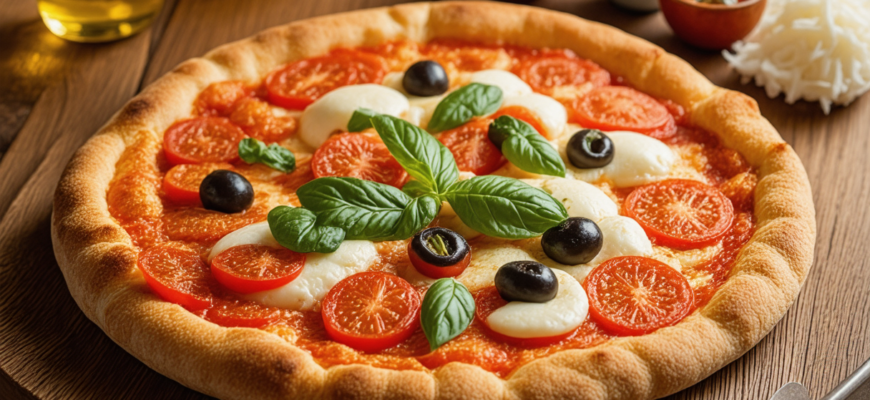
Pizza is a beloved dish worldwide, celebrated for its versatility and comforting flavors. However, traditional pizza bases often contain gluten and are high in carbohydrates, making them unsuitable for those following gluten-free or ketogenic diets. Fortunately, creating pizza bases that are both gluten-free and keto-friendly is entirely possible with the right ingredients and techniques. This comprehensive guide explores the best recipes, tips, and scientific principles behind crafting healthy, tasty pizza bases tailored to specific dietary needs.
- Understanding the Foundations: Why Traditional Pizza Bases Fall Short
- Gluten in Pizza Dough
- High Carbohydrate Content
- Key Principles of Gluten-Free and Keto-Friendly Pizza Bases
- Popular Ingredients for Keto and Gluten-Free Pizza Bases
- Step-by-Step Recipes for Gluten-Free and Keto Pizza Bases
- Recipe 1: Almond Flour and Cheese Crust
- Ingredients:
- Preparation Steps:
- Recipe 2: Coconut Flour and Psyllium Husk Base
- Ingredients:
- Preparation Steps:
- Scientific Explanation of Ingredient Functionality
- Binding and Texture Development
- Fat Content and Flavor
- Carbohydrate Considerations
- Tips for Perfecting Your Gluten-Free, Keto Pizza Base
- Sample Topping Combinations for Keto and Gluten-Free Pizzas
- Nutrition Comparison Table
- Creativity and Health in Pizza Making
- Additional Resources and References
Understanding the Foundations: Why Traditional Pizza Bases Fall Short
Gluten in Pizza Dough
Traditional pizza dough primarily relies on wheat flour, which contains gluten—a protein that provides elasticity and chewiness. For individuals with celiac disease or gluten sensitivity, consuming gluten can cause adverse health effects. Therefore, gluten-free pizza bases are required for safe consumption.
High Carbohydrate Content
Standard pizza bases are made from refined wheat flour, which is rich in carbohydrates. While carbs provide energy, excessive intake hampers those following a ketogenic diet, which emphasizes low carbohydrate consumption to induce ketosis—a metabolic state where the body burns fat for fuel.
Key Principles of Gluten-Free and Keto-Friendly Pizza Bases
- Low Carbohydrate Ingredients: Use flours and binders that are low in carbs and do not spike blood sugar levels.
- Gluten-Free Alternatives: Employ naturally gluten-free ingredients like almond flour, coconut flour, and seed-based flours.
- Texture and Elasticity: Incorporate ingredients that mimic gluten’s binding and elastic properties without adding carbs.
- Flavor Enhancement: Use herbs, spices, and flavorings to elevate taste and compensate for the absence of wheat gluten.
Popular Ingredients for Keto and Gluten-Free Pizza Bases
| Ingredient | Type | Key Features | Typical Use |
|---|---|---|---|
| Almond Flour | Nuts, Seed-based | Low in carbs, high in healthy fats, rich flavor | Main base flour, crusts |
| Coconut Flour | Nuts, Seed-based | Very low in carbs, high fiber, absorbs moisture | Crusts, adding structure |
| Flaxseed Meal | Seeds | High in fiber, omega-3 fatty acids, binding agent | Binder, crust base |
| Psyllium Husk Powder | Fiber supplement | Enhances elasticity and structure | Improving dough texture |
| Cheese (Mozzarella, Cream Cheese) | Dairy | Provides binding, moisture, and flavor | Dough binder and topping |
| Eggs | Protein | Acts as a binder, adds structure | Dough binding, texture enhancement |
Step-by-Step Recipes for Gluten-Free and Keto Pizza Bases
Recipe 1: Almond Flour and Cheese Crust
Ingredients:
- 2 cups almond flour
- 1 cup shredded mozzarella cheese
- 1 large egg
- 1 tablespoon olive oil
- 1/2 teaspoon salt
- Optional: herbs and spices for flavor
Preparation Steps:
- Preheat the oven to 180°C (350°F). Line a baking sheet with parchment paper.
- Mix almond flour, salt, and herbs in a bowl. Add shredded cheese and eggs. Stir until a dough forms.
- Knead the dough briefly to combine. Place it between two sheets of parchment paper and roll out into your desired thickness.
- Transfer the crust to the baking sheet and bake for 10-12 minutes until lightly golden.
- Remove from oven, add toppings, and bake for an additional 8-10 minutes until cheese melts and toppings are cooked.
Recipe 2: Coconut Flour and Psyllium Husk Base
Ingredients:
- 1/2 cup coconut flour
- 1/4 cup psyllium husk powder
- 2 large eggs
- 1/4 cup warm water
- 2 tablespoons olive oil
- 1/2 teaspoon salt
Preparation Steps:
- Preheat oven to 180°C (350°F). Line baking sheet with parchment paper.
- In a mixing bowl, combine coconut flour, psyllium husk, and salt.
- Add eggs, warm water, and olive oil. Mix thoroughly until a dough forms. Let sit for 2-3 minutes to allow the psyllium to absorb moisture, creating elasticity.
- Shape into a ball, then roll out between parchment papers into a thin crust.
- Bake for 12-15 minutes until firm and slightly browned. Add desired toppings and bake again for 8-10 minutes.
Scientific Explanation of Ingredient Functionality
Binding and Texture Development
In gluten-free and keto crusts, binding agents are crucial to hold ingredients together and simulate the elasticity of gluten. Eggs and cheese serve as natural binders, providing structure and moisture retention. Psyllium husk and flaxseed meal are high in fiber, which swells upon contact with water, forming gel-like substances that improve dough elasticity and crumb structure.
Fat Content and Flavor
Healthy fats from nuts, seeds, and cheese enhance flavor and contribute to a satisfying mouthfeel. The fats also aid in making the crust tender and crisp when baked at high heat.
Carbohydrate Considerations
Replacing wheat flour with low-carb alternatives significantly reduces the carbohydrate content, enabling the dough to fit within ketogenic macros. For example:
| Ingredient | Carbohydrates per 100g |
|---|---|
| Wheat Flour | 76g |
| Almond Flour | 10g |
| Coconut Flour | 21g |
| Flaxseed Meal | 29g |
| Psyllium Husk | 0.8g |
Tips for Perfecting Your Gluten-Free, Keto Pizza Base
- Measure Accurately: Use precise measurements to avoid overly dense or fragile crusts.
- Pre-bake Crusts: Baking the crust partially before adding toppings ensures firmness and prevents sogginess.
- Adjust Moisture Content: Depending on humidity and ingredient brands, you may need to modify water or egg quantities.
- Use a Hot Oven: Baking at high temperatures (around 200°C-220°C or 400°F-430°F) yields crispier crusts.
- Flavor Boosters: Incorporate herbs like rosemary, oregano, garlic powder, or nutritional yeast to enhance taste.
Sample Topping Combinations for Keto and Gluten-Free Pizzas
- Moisture-rich vegetable toppings: zucchini, spinach, bell peppers, olives
- High-fat toppings: avocado slices, shredded cheese, cooked bacon
- Protein sources: chicken, shrimp, pepperoni, plant-based alternatives
Nutrition Comparison Table
| Crust Type | Calories (per serving) | Carbohydrates (g) | Protein (g) | Fats (g) |
|---|---|---|---|---|
| Wheat-based | ~250 | 30g | 7g | 10g |
| Almond Flour | ~180 | 10g | 6g | 14g |
| Coconut Flour + Psyllium | ~150 | 8g | 4g | 12g |
Creativity and Health in Pizza Making
Creating gluten-free and keto-friendly pizza bases is a rewarding culinary pursuit that combines nutrition with flavor. By understanding ingredient functions and applying carefully tested recipes, cooks can enjoy delicious, health-conscious pizzas tailored to dietary preferences. Whether for health reasons or personal choice, mastering these bases opens new avenues for pizza innovation, allowing everyone to indulge in their favorite dish without compromise.
Additional Resources and References
- Keto Pizza Recipes and Tips
- Celiac Disease Foundation
- Guide on Gluten-Free Flours
- Low-Carb Diet Principles
By mastering these simple techniques and ingredients, enthusiasts can craft irresistible pizzas that align with their health goals and dietary needs. Experimentation with various strategies and ingredients will lead to a personalized, satisfying pizza experience—one that is both nourishing and flavorful.
Похожие записи:
 Creative Ways to Make Gluten-Free Pizza Crusts: Elevate Your Pizza Experience
  The Rise of Gluten-Free and Vegan Pizza Options: A Delicious Revolution
  Mastering Vegan and Vegetarian Pizza: Delicious Recipes and Culinary Inspiration
  Mastering the Art of Stuffed Crusts: Techniques for Making Delicious Pizzas at Home
  Ultimate Guide: Tips for Cooking Different Styles of Pizza at Home
  Mastering Thin-Crust Pizza: Secrets to Achieve Perfect Crispiness and Tenderness
  The Evolution of Pizza Sauce Recipes Over Time: A Delicious Journey Through History
  Mastering Pizza Transfers: How Parchment Paper Simplifies Your Cooking Process
  Mastering Oven Temperatures: The Key to Perfect Baking Every Time
  The Rise of Healthy and Alternative Pizza Options: A Delicious Revolution
  Mastering Restaurant-Quality Pizzas at Home: The Ultimate Guide to Using a Pizza Stone
  Mastering the Art of Evenly Cooked Pizza Toppings Without Burning the Crust
  Choosing the Perfect Flour for Flawless Pizza Dough: A Complete Guide
  The Role of Local Ingredients in Regional Pizza Recipes: A Culinary Journey Across Cultures
  Brazilian Pizza with Unique Tropical Ingredients: A Delicious Fusion of Flavors
  The Rise of American-Style Pizza in the 20th Century: A Delicious Cultural Transformation