
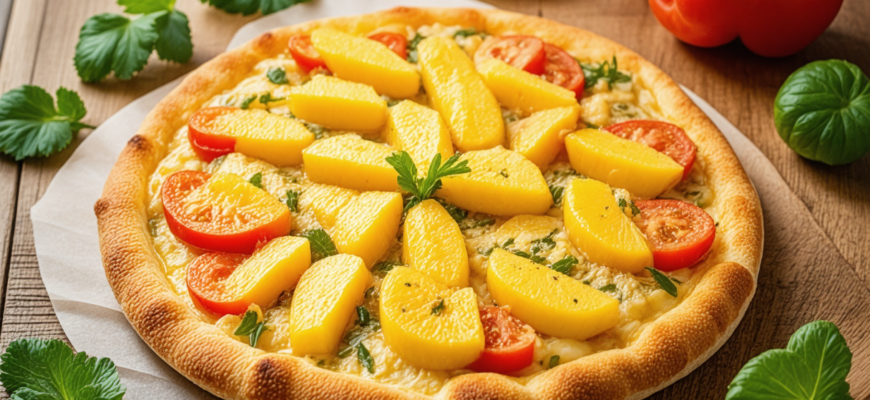
Brazilian cuisine is renowned for its vibrant flavors, diverse ingredients, and rich culinary traditions. Among its many culinary treasures is the innovative adaptation of pizza, a beloved dish that has seamlessly merged with local ingredients to create something truly unique. In this comprehensive guide, explore the fascinating world of Brazilian pizza, focusing specifically on those versions that incorporate distinctive tropical ingredients. Discover the history, regional variations, recipes, and tips for making authentic Brazilian tropical pizzas at home.
- Introduction to Brazilian Pizza: A Fusion of Cultures
- The Origins and Evolution of Brazilian Pizza
- Historical Roots
- Adaptation and Innovation
- Unique Tropical Ingredients in Brazilian Pizza
- Fruits
- Vegetables and Herbs
- Cheeses and Sauces
- Popular Brazilian Tropical Pizza Recipes
- 1. Pizza with Pineapple, Ham, and Cheese (Palmito, Pineapple e Presunto)
- Ingredients:
- Preparation:
- 2. Mango and Shrimp Pizza
- Ingredients:
- Preparation:
- 3. Coconut and Cassava Pizza (Tipo Carioca)
- Ingredients:
- Preparation:
- How to Make Authentic Brazilian Tropical Pizza at Home
- Step-by-Step Guide
- 1. Prepare the Dough
- 2. Choose Fresh and Authentic Ingredients
- 3. Balance Sweet and Savory Flavors
- 4. Proper Baking Techniques
- Suggestions for Variations and Personalization
- Regional Variations of Brazilian Tropical Pizza
- Health Benefits and Nutritional Aspects of Tropical Ingredients
Introduction to Brazilian Pizza: A Fusion of Cultures
The story of pizza in Brazil is intertwined with the country’s history of immigration, globalization, and local innovation. Originally brought by Italian immigrants at the turn of the 20th century, pizza quickly adapted to local tastes and ingredients. Over time, Brazilian pizzerias began experimenting with regional produce and flavors, transforming traditional Italian recipes into a nationwide culinary phenomenon. This fusion resulted in the creation of pizzas that reflect Brazil’s tropical climate, diverse biodiversity, and cultural richness.
The Origins and Evolution of Brazilian Pizza
Historical Roots
Large waves of Italian immigrants settled in Brazil in the late 19th and early 20th centuries, particularly in São Paulo and Rio de Janeiro. They introduced pizza as a local delicacy, which quickly gained popularity among all social classes. Initially, the recipes were closely aligned with Italian standards, but gradually, local ingredients and tastes influenced the evolution of the dish.
Adaptation and Innovation
Brazilian pizzerias began incorporating ingredients native to the country’s tropical climate—such as cassava, tropical fruits, and regional cheeses—leading to the emergence of a distinctive style. This innovation transformed pizza from a purely Italian dish into a Brazil-specific culinary craft, marked by vibrant, flavorful toppings that mirror the country’s diverse agricultural bounty.
Unique Tropical Ingredients in Brazilian Pizza
Fruits
- Pineapple (Abacaxi): Often used to create sweet and savory combinations, pineapple adds juicy freshness.
- Guava (Goiaba): Used either as a topping or in sauces for a sweet, aromatic flavor.
- Mango (Manga): Provides a tangy and sweet profile, especially in seafood or chicken pizzas.
- Coconut (Coco): Used in dessert-style pizzas or to add a tropical flair.
- Cassava (Manioc): Typically processed into flour but also used as a base or topping in some variations.
Vegetables and Herbs
- Bell Peppers (Pimentões): Especially red and yellow varieties, for color and sweetness.
- Chili Peppers (Pimentas): To add a spicy kick.
- Herbs: Cilantro, parsley, and basil are frequently used to brighten flavors.
Cheeses and Sauces
- Brazilian Cheese: Such as queijo Minas, o queijo coalho, and requeijão, which offer creamy textures and local flavors.
- Fruit-based Sauces: Pineapple or guava sauces are popular for balancing sweetness and acidity.
Popular Brazilian Tropical Pizza Recipes
1. Pizza with Pineapple, Ham, and Cheese (Palmito, Pineapple e Presunto)
This classic tropical pizza combines sweet pineapple with savory ham and a generous layer of cheese, creating a familiar yet distinctly Brazilian flavor profile. It is widely loved across the country and often served in pizzerias and homes alike.
Ingredients:
- Pizza dough (preferably thin crust)
- Tomato sauce
- Cheddar or mozzarella cheese
- Ham slices
- Pineapple chunks (fresh or canned)
- Optional: green bell peppers, black olives
Preparation:
- Preheat oven to 220°C (430°F).
- Spread tomato sauce evenly over the rolled-out dough.
- Add cheese first, then distribute ham slices and pineapple chunks uniformly.
- Optionally, add sliced green bell peppers or olives for extra flavor.
- Bake for approximately 15-20 minutes or until crust is golden and cheese is bubbly.
- Serve hot, garnished with fresh herbs if desired.
2. Mango and Shrimp Pizza
This seafood-tropical fusion features the sweetness of mango paired with tender shrimp, enhanced by fragrant herbs. It’s ideal for summer gatherings and showcases Brazil’s rich coastal cuisine.
Ingredients:
- Pizza dough
- Olive oil
- Garlic
- Fresh mango slices
- Cooked shrimp (peeled and deveined)
- Fresh cilantro
- Lime juice
- Cheese (mozzarella or queijo Minas)
Preparation:
- Preheat oven to 220°C (430°F).
- Brush dough with olive oil and minced garlic.
- Layer cheese evenly over the dough.
- Add mango slices and cooked shrimp on top.
- Bake until crust is golden and cheese melts (~15 minutes).
- Finish with a squeeze of lime juice and chopped cilantro before serving.
3. Coconut and Cassava Pizza (Tipo Carioca)
An exotic variation that highlights the local flavors, combining shredded coconut and cassava-based ingredients for a sweet and savory experience. This style is often served as a dessert pizza or in special regional variations.
Ingredients:
- Sweetened shredded coconut
- Prepared cassava (either mashed or in flour form)
- Sweetened condensed milk
- Cheese (optional, for contrast)
- Coconut cream
Preparation:
- Spread cassava base over the dough.
- Mix shredded coconut with condensed milk and spread over the cassava.
- Dust with additional shredded coconut.
- Bake until edges are crispy (~15-20 minutes).
- Optional: add dollops of coconut cream for additional richness before serving.
How to Make Authentic Brazilian Tropical Pizza at Home
Step-by-Step Guide
1. Prepare the Dough
Use a simple recipe for pizza dough, which typically includes flour, water, yeast, salt, and a bit of olive oil. For a more authentic touch, opt for a slightly softer dough that can hold the toppings without becoming soggy.
2. Choose Fresh and Authentic Ingredients
Source fresh tropical fruits, regional cheeses, and local herbs whenever possible for the most authentic flavor. Visit local markets or specialty stores to find high-quality ingredients.
3. Balance Sweet and Savory Flavors
Many Brazilian tropical pizzas succeed by blending sweet fruits with salty or spicy toppings, creating a complex taste experience. Experiment with combinations like pineapple and ham or mango and shrimp.
4. Proper Baking Techniques
Preheat the oven to high temperatures (around 220°C–250°C or 430°F–480°F), and bake the pizza on a preheated stone or baking sheet for a crispy crust. Avoid overcrowding toppings to ensure even cooking.
Suggestions for Variations and Personalization
- Incorporate regional ingredients like pupunha palm heart or passion fruit for a local twist.
- Add chili flakes or hot sauce for a spicy edge.
- Use different cheeses such as requeijão or queijo coalho for texture and flavor diversity.
Regional Variations of Brazilian Tropical Pizza
| Region | Popular Ingredients | Description |
|---|---|---|
| São Paulo | Pineapple, ham, cheese | The classic “Portuguesa” style that has been adapted with tropical influences. |
| Rio de Janeiro | Mango, shrimp, coconut | Fresh seafood and tropical fruits dominate, reflecting the coastal culture. |
| Northern Brazil | Pupunha palm heart, passion fruit | Incorporates local native ingredients with vibrant flavors. |
| Southern Brazil | Apples, berries, regional cheeses | Mixes traditional European influences with tropical ingredients. |
Health Benefits and Nutritional Aspects of Tropical Ingredients
Incorporating tropical fruits and vegetables into pizza not only enhances flavor diversity but also brings several health benefits. For instance, tropical fruits like mango and pineapple are rich in vitamins, antioxidants, and dietary fiber. Coconut provides healthy fats and energy, while regional cheeses add calcium and protein. When combined thoughtfully, these ingredients can make a nutritious and guilt-free indulgence that aligns with wellness trends.
Brazilian pizza with unique tropical ingredients exemplifies the inventive spirit of the country’s culinary scene. Rooted in tradition yet open to innovation, these pizzas offer an enticing array of flavors, textures, and colors that celebrate Brazil’s tropical bounty. Whether enjoyed at a local pizzeria or made at home, these recipes and ideas showcase the rich diversity of Brazilian cuisine and its ability to adapt and transform international dishes into regional specialties. Experimenting with tropical ingredients invites an exciting culinary journey that blends authenticity with creativity, making every bite a delightful experience.
Exploring the world of Brazilian tropical pizzas reveals a vibrant tapestry of food traditions that reflect Brazil’s rich biodiversity and cultural melting pot. Embrace the flavors, experiment with ingredients, and savor the unique taste of Brazil through its innovative pizza recipes.
Похожие записи:
 Japanese Okonomiyaki with Pizza-Like Toppings: A Fusion of Flavors and Culinary History
  Calzone: The Folded Pizza from Italy – A Delicious Journey into Italian Cuisine
  Mexican Tlayuda and Its Rustic Toppings: A Deep Dive into a Unique Culinary Tradition
  Sicilian Pizza: A Delicious Dive into Thick, Square Slices and Its Rich History
  Lebanese Manakish with Za’atar and Cheese: A Delicious Twist on Traditional Pizzas
  Chicago Deep-Dish Pizza and Its Hearty Layers: A Delicious Journey into Its Unique Structure
  Neapolitan Pizza: The Art of Authentic Preparation
  Margarita Pizza: Italy’s Timeless Classic
  Roman Pizza al Taglio and Its Rectangular Slices: A Deep Dive into Tradition, Technique, and Tastes
  New York-Style Thin Crust Pizza: The Iconic Street Food of the Big Apple
  French Pissaladière with Caramelized Onions and Anchovies: A Classic Cuisine Delight