
For pizza enthusiasts and home bakers alike, creating a pizza with a perfectly chewy crust is often regarded as the ultimate goal. Achieving that satisfying, dense yet tender bite that balances crispiness on the outside and chewy elasticity inside requires a combination of proper techniques, ingredient selection, and understanding of the baking process. This comprehensive guide explores proven tricks, science-backed tips, and classic practices to help bakers produce a pizza crust that stands out for its perfect chewiness.
- The Significance of a Chewy Pizza Crust
- Fundamental Ingredients for a Chewy Crust
- Flour Selection
- Water Content (Hydration)
- Yeast and Fermentation
- Salt and Oils
- Step-by-Step Techniques for Achieving the Perfect Chewy Crust
- 1. Proper Dough Preparation
- 2. Hydration Matters
- Basic Hydration Formula:
- 3. Kneading and Gluten Development
- 4. Fermentation and Proofing
- 5. Shaping the Dough
- 6. Baking Conditions
- Special Tips for Extra Chewiness
- Use a Preferment or Poolish
- Optimize Fermentation Times
- Incorporate Unique Ingredients
- Adjust Oven and Baking Surface
- Common Mistakes and How to Avoid Them
- Practical Formula for Chewy Pizza Dough
- Sample Recipe for a Chewy Crust
- Summary
The Significance of a Chewy Pizza Crust
A chewy pizza crust is a hallmark of many traditional styles, especially Neapolitan and New York-style pizzas. It contributes significantly to the overall eating experience, providing a hearty texture that complements toppings and sauces. Moreover, the chewiness indicates good dough development, hydration, and baking techniques. Mastering this craft allows bakers not only to replicate professional standards but also to customize their pies for maximum enjoyment.
Fundamental Ingredients for a Chewy Crust
Flour Selection
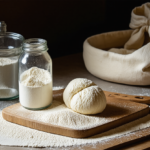
The key to a chewy pizza crust largely lies in the choice of flour. High-gluten flours such as bread flour or “00” Italian flour are preferred because they contain more proteins which develop gluten, giving the dough its elasticity and chewiness.
| Flour Type | Protein Content | Impact on Dough |
|---|---|---|
| All-Purpose Flour | 10-12% | Less elasticity; results in softer crust |
| Bread Flour | 12-14% | Enhanced chewiness and structure |
| 0 Flour (Italian Tipo 00) | 11-12% | Soft texture with good elasticity; ideal for traditional Neapolitan pizza |
Water Content (Hydration)
Hydration level, typically expressed as a percentage of water relative to flour, plays a pivotal role in dough characteristics. For chewy crusts, hydration levels between 60% and 70% are optimal because they produce a supple, extensible dough capable of forming a strong gluten network that results in chewiness.
Yeast and Fermentation
Yeast fermentation is essential for flavor development and gluten maturation. A longer, slow fermentation (cold ferment in the refrigerator) promotes complex flavors and a chewy texture. Active dry yeast or fresh yeast can be used, but the fermentation time should be adjusted accordingly.
Salt and Oils
Salt enhances gluten strength and dough flavor, while small amounts of oils (olive oil preferred) can improve dough elasticity and tenderness, contributing subtly to chewiness.
Step-by-Step Techniques for Achieving the Perfect Chewy Crust
1. Proper Dough Preparation
The foundation of a chewy crust begins with correctly measuring ingredients and kneading the dough. A well-developed gluten network is critical. Follow these steps:
- Mix flour, water, yeast, salt, and oil until combined.
- Allow the dough to rest for 10-15 minutes (autolyse method) to hydrate flour and improve extensibility.
- Knead thoroughly for at least 10 minutes until the dough becomes smooth and elastic.
- Let the dough ferment slowly in a cool environment for 12-24 hours to develop flavor and chewiness.
2. Hydration Matters
Adjust hydration levels based on flour type and desired texture. Higher hydration yields a more open crumb and chewier crust. Use a dough calculator or formula to determine hydration:
Basic Hydration Formula:
Hydration % = (Water weight / Flour weight) × 100
For example, 600g flour with 420g water results in a hydration of 70%.
3. Kneading and Gluten Development
Kneading develops the gluten network that provides strength and elasticity. Techniques include:
- Stretch and fold: periodic stretching and folding during fermentation.
- Fist kneading: pressing the dough with the knuckles.
- Using a stand mixer with dough hook for consistent results.
Proper gluten development is confirmed when the dough is smooth, slightly sticky, and passes the windowpane test (stretching dough until thin without tearing).
4. Fermentation and Proofing
Allow the dough to ferment slowly at a controlled temperature (around 18-20°C). Longer fermentation times develop flavor and bite. The main approaches:
- Room temperature proofing for 2-4 hours.
- Cold fermentation in the refrigerator for 12-72 hours for enhanced chewiness and complexity.
Always proof until the dough has doubled in size and shows bubbles on the surface.
5. Shaping the Dough
Careful shaping preserves the gas pocket structure that contributes to an airy, chewy crust. Techniques:
- Use minimal flour on surface to prevent sealing the dough’s surface.
- Stretch gently from the center outward, avoiding excessive pressing.
- Maintain an even thickness to encourage uniform baking and chewiness.
6. Baking Conditions
The baking process is crucial for achieving a chewy crust. Recommendations include:
| Oven Temperature | Baking Time | Additional Tips |
|---|---|---|
| High heat (250-300°C / 480-570°F) | 60-90 seconds (for pizza stone) to 5-7 minutes | Use a preheated pizza stone or steel for superior heat transfer |
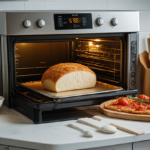
Preheat the oven and baking surface at maximum temperature for at least 45 minutes prior to baking.
Steam and humidity can also aid in creating a crust with the desired texture. If possible, bake in a convection oven with a pizza stone or steel.
Special Tips for Extra Chewiness
Use a Preferment or Poolish
Incorporating a preferment such as poolish (a fermented mixture of flour and water) enhances gluten development and flavor, resulting in a more resilient and chewy crust.
Optimize Fermentation Times
Experimentation with fermentation duration yields different chewiness levels. Longer, cold fermentations generally enhance chewiness and flavor complexity.
Incorporate Unique Ingredients
- Adding a small percentage of whole wheat or rye flour can increase chewiness due to their higher gluten content.
- Using alternative flours or additives like vital wheat gluten directly boosts gluten for extra chew.
Adjust Oven and Baking Surface
Using a baking steel instead of a stone, or increasing oven temperature, can result in a crust that develops crisp exterior quickly while maintaining chewy interior.
Common Mistakes and How to Avoid Them
- Under-kneading: Leads to weak gluten network, resulting in flat, less chewy crust.
- Insufficient fermentation: Short fermentation hampers flavor and chewiness development.
- Using low-protein flour: Results in a softer crust with less chew.
- Low oven temperature: Prolongs baking time, risking a thick, tough crust rather than chewy texture.
Practical Formula for Chewy Pizza Dough
Sample Recipe for a Chewy Crust
| Ingredients | Ratio / Percentage |
|---|---|
| High-gluten bread flour | 100% |
| Water | 70% |
| Salt | 2% |
| Yeast | 0.5-1% |
| Olive oil | 1-2% |
For 500g of flour, this translates into:
- 350g water
- 10g salt
- 2.5g yeast
- 10g olive oil
Summary
Achieving a perfectly chewy pizza crust is a blend of science and art. The key factors include selecting the right flour, managing hydration, allowing for proper fermentation, gentle shaping, and baking at high temperatures with the right equipment. Mastering these techniques enables bakers to produce pizza bases that are satisfying in texture, rich in flavor, and true to authentic styles. With patience and practice, the perfect chewy crust becomes an attainable goal, elevating home pizza making to professional standards.
Inclusion of specific ingredients, attention to detail in dough preparation, and precise baking conditions are essential for creating a pizza crust with exemplary chewiness. Experimenting with fermentation times, hydration levels, and baking environments will allow bakers to tailor the crust to their taste preferences. Whether recreating traditional Neapolitan pizza or crafting a New York-style slice, the techniques outlined in this guide serve as an invaluable resource for pizza lovers striving for perfection in their homemade pies.
Похожие записи:
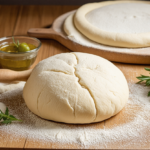 Mastering the Art of Achieving the Perfect Rise for Your Pizza Crust
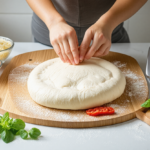 Mastering Homemade Pizza Dough: Expert Tips for Perfect Results
 Secret Tips for Achieving a Crispy Crust at Home: The Ultimate Guide to Perfect Pizzas
 Mastering Thin-Crust Pizza: Secrets to Achieve Perfect Crispiness and Tenderness Mastering Dough Fermentation: Secrets to Achieve the Perfect Pizza Crust Mastering the Art of Stretching Pizza Dough Without Tearing: Techniques, Tips, and Secrets Mastering the Art of Stuffed and Deep-Dish Pizzas: Techniques, Tips, and Recipes How to Make Pizza Dough in Advance and Store It: Best Tips & Techniques
 Mastering the Art of Stuffed Crusts: Techniques for Making Delicious Pizzas at Home
 Choosing the Perfect Flour for Flawless Pizza Dough: A Complete Guide Mastering the Art of Pizza Topping Balance: Top Techniques to Avoid Overloading Mastering the Art of Perfect Pizza Crusts: How to Prevent a Soggy Bottom
 Mastering the Art of Evenly Cooked Pizza Toppings Without Burning the Crust Nutritional Differences Between Thick Crust and Thin Crust Pizzas: What Sets Them Apart?
 Mastering Gluten-Free and Keto-Friendly Pizza Bases: Delicious Recipes and Tips
 Mastering Oven Temperatures: The Key to Perfect Baking Every Time