
Pizza is undeniably one of the most beloved dishes worldwide, cherished for its versatility, rich flavors, and comforting appeal. Whether you enjoy a classic Margherita, a loaded meat lover’s pizza, or a vegetable-packed vegan slice, the foundation of any great pizza is undoubtedly its dough. Preparing pizza dough in advance and properly storing it can save time, improve flavor through fermentation, and ensure a perfect crust every time. This comprehensive guide covers everything you need to know about making pizza dough ahead of time, storage methods, best practices, and tips to keep your homemade pizza consistently delicious.
- Understanding the Basics of Pizza Dough
- Ingredients and Their Roles
- Key Factors for Successful Make-Ahead Dough
- Step-by-Step Guide to Preparing Pizza Dough in Advance
- 1. Preparing the Dough
- 2. First Rise (Bulk Fermentation)
- 3. Shaping and Dividing
- 4. Storage Methods
- Refrigeration
- Freezing
- Best Practices for Storage and Thawing
- Storing Pizza Dough
- Thawing Frozen Dough
- How to Use Make-Ahead Dough for Perfect Pizzas
- Preparing the Dough for Baking
- Tips for Achieving Perfect Crust
- Additional Tips for Improving Make-Ahead Pizza Dough
- Utilize Preferments for Better Flavor
- Adjusting Hydration Levels
- Incorporate Cold Fermentation
- Summary: Making and Storing Pizza Dough for Convenient and Delicious Pizzas
- Comparison Table: Refrigeration vs Freezing
Understanding the Basics of Pizza Dough
Ingredients and Their Roles
To master making and storing pizza dough, it’s important to understand the core ingredients and their functions:
- Flour: The main component providing structure. High-protein flours, such as bread flour, give chewier and more elastic dough.
- Water: Catalyzes gluten formation and activates yeast. The hydration level influences dough texture.
- Yeast: Ferments sugars, producing carbon dioxide that leavens the dough, making it rise.
- Salt: Enhances flavor, controls yeast activity, and strengthens gluten.
- Oil or Olive Oil: Adds richness, improves extensibility, and enhances flavor and crust crispness.
Key Factors for Successful Make-Ahead Dough
- Fermentation time — improves flavor and texture.
- Proper hydration levels.
- Temperature control during storage.
- Use of suitable packaging to avoid drying and contamination.
Step-by-Step Guide to Preparing Pizza Dough in Advance
1. Preparing the Dough
Preparing pizza dough for future use begins with mixing and kneading. The process is straightforward:
- Combine dry ingredients: flour, salt, and yeast (if using active dry yeast).
- Gradually add water and oil, mixing until a sticky but manageable dough forms.
- Knead thoroughly — about 8–10 minutes — until the gluten develops and the dough becomes smooth and elastic.
2. First Rise (Bulk Fermentation)
Once kneaded, the dough needs to rise to develop flavor and structure:
- Form the dough into a ball and place it in a lightly oiled bowl.
- Cover with plastic wrap or a damp cloth.
- Allow it to ferment at room temperature or slightly cooler (around 20°C) for 1–2 hours or until doubled in size.
This initial fermentation is crucial for enhancing taste and texture.
3. Shaping and Dividing
After the first rise, punch down the dough to remove excess gas, then:
- Divide into individual portions if making multiple pizzas.
- Shape each portion into a tight ball for easier handling and storage.
4. Storage Methods
Proper storage allows for convenience and preserves dough quality:
Refrigeration
- Wrap each dough ball tightly in plastic wrap or place in sealed plastic bags.
- Refrigerate at 4°C for up to 3 days.
- Allow the dough to come to room temperature before stretching and baking for best results.
Freezing
- Wrap each portion tightly in plastic wrap, then place in airtight containers or freezer bags.
- Label with date for reference.
- Freeze for up to 3 months — longer storage might degrade dough quality.
Best Practices for Storage and Thawing
Storing Pizza Dough
For optimal results, follow these tips:
- Ensure the dough is tightly wrapped to prevent drying out and freezer burn.
- If refrigerating, use within 72 hours for best fermentation quality.
- When freezing, double wrap to prevent absorption of odors and dehydration.
Thawing Frozen Dough
Proper thawing is crucial for maintaining dough integrity:
- Transfer the dough from the freezer to the refrigerator at least 12 hours before baking.
- Allow the dough to thaw slowly, which helps preserve gluten structure.
- Once thawed, keep it covered and let it sit at room temperature for 30–60 minutes to regain elasticity.
How to Use Make-Ahead Dough for Perfect Pizzas
Preparing the Dough for Baking
Before stretching and baking:
- Ensure the dough has reached room temperature.
- Gently punch down the dough to release excess gases.
- Shape it on a floured surface, pressing from the center outward to form your pizza base.
Tips for Achieving Perfect Crust
| Tip | Description |
|---|---|
| Use a pizza stone or steel | Preheat it in the oven to simulate a professional pizza oven for crispier crusts. |
| Proper dough thickness | Roll or stretch uniformly for even baking and texture. |
| High oven temperature | Cooks the pizza quickly, creating a crispy exterior and tender interior. |
| Minimal toppings | Too many toppings can make the crust soggy; balance is key. |
Additional Tips for Improving Make-Ahead Pizza Dough
Utilize Preferments for Better Flavor
Incorporate preferments like poolish or biga—pre-fermented doughs made with part of the flour and water—into your recipe. They add depth of flavor and improve texture, especially when preparing dough in advance.
Adjusting Hydration Levels
Generally, hydration levels range from 60% to 70%. Higher hydration results in a lighter, airier crust but can be more challenging to handle. Experimentation can help find the perfect balance for your taste.
Incorporate Cold Fermentation
For enhanced flavor, allow the dough to ferment slowly in the refrigerator for 24–72 hours. This method develops complex flavors and improves dough extensibility.
Summary: Making and Storing Pizza Dough for Convenient and Delicious Pizzas
Making pizza dough in advance is a practical approach that saves time while enhancing flavor through fermentation. Proper preparation, fermentation, storage, and handling techniques ensure the dough remains fresh, easy to work with, and results in a crispy, flavorful crust. Whether refrigerating for a few days or freezing for longer storage, following best practices guarantees a consistently great pizza experience every time.
Comparison Table: Refrigeration vs Freezing
| Feature | Refrigeration | Freezing |
|---|---|---|
| Duration | Up to 3 days | Up to 3 months |
| Flavor development | Moderate (best within 72 hours) | Less than refrigeration, but preserves overall quality if well-wrapped |
| Ease of thawing | Ready for immediate use after resting at room temperature | Thaw overnight in fridge, then bring to room temperature |
| Impact on texture | Maintains optimal elasticity and flavor | Potential slight deterioration if stored too long or improperly wrapped |
Mastering the art of preparing and storing pizza dough in advance offers numerous advantages—from saving time during busy days to enriching the flavors through longer fermentation. With the proper techniques and understanding, homemade pizza can be effortlessly prepared with a crust that rivals professional pizzerias. Experiment with different hydration levels, fermentation times, and storage methods to discover what works best for your taste and schedule. Ultimately, the ability to have fresh, delicious pizza dough ready at any moment transforms the home pizza-making experience into a convenient and satisfying culinary activity.
Похожие записи:
 Mastering the Art of Stretching Pizza Dough Without Tearing: Techniques, Tips, and Secrets
 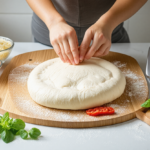 Mastering Homemade Pizza Dough: Expert Tips for Perfect Results
 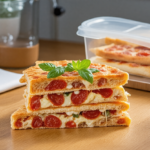 Ultimate Guide: Tips for Storing Leftover Pizza Without Losing Quality Mastering Dough Fermentation: Secrets to Achieve the Perfect Pizza Crust Mastering the Art of Stuffed and Deep-Dish Pizzas: Techniques, Tips, and Recipes Secret Tips for Achieving a Crispy Crust at Home: The Ultimate Guide to Perfect Pizzas
 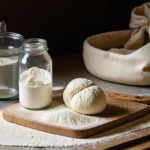 Choosing the Perfect Flour for Flawless Pizza Dough: A Complete Guide
  Mastering Thin-Crust Pizza: Secrets to Achieve Perfect Crispiness and Tenderness
 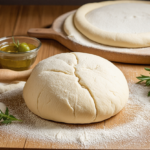 Mastering the Art of Achieving the Perfect Rise for Your Pizza Crust Ultimate Guide: Tips for Making Your Own Cheese for Pizza
  Ultimate Guide: Tips for Cooking Different Styles of Pizza at Home
  The Technological Innovations in Pizza Baking Techniques: Transforming Tradition into Modern Masterpieces
  Ultimate Guide to Troubleshooting Common Pizza Baking Problems: Tips & Solutions
  Mastering the Art of Stuffed Crusts: Techniques for Making Delicious Pizzas at Home Mastering the Art of Perfect Pizza Crusts: How to Prevent a Soggy Bottom How to Make a Pizza with a Health-Conscious Twist: Delicious Recipes and Tips