
Pizza has long been celebrated as a beloved comfort food around the world. Its versatility, rich flavors, and wide array of toppings make it a go-to choice for many. However, traditional recipes often come with high calories, saturated fats, and processed ingredients, leading health-conscious individuals to seek smarter alternatives. This comprehensive guide explores how to craft delicious, satisfying pizzas with a health-conscious twist, allowing for enjoyment without compromising nutritional value.
- The Evolution of Pizza: From Classic to Healthy
- Foundations of a Healthy Pizza
- Choosing the Right Dough
- Balancing Protein, Carbohydrates, and Healthy Fats
- Smart Toppings: Nutrient-Dense and Flavorful
- Vegetables as the Base
- Lean Proteins and Plant-Based Alternatives
- Healthy Fats
- Cheese Alternatives and Moderation
- Creating a Delicious and Nutritious Pizza: Step-by-Step
- Step 1: Prepare the Dough
- Step 2: Spread the Base
- Step 3: Add the Healthy Toppings
- Step 4: Baking
- Step 5: Garnishing and Serving
- Sample Healthy Pizza Recipes
- Recipe 1: Veggie-Packed Whole Grain Pizza
- Recipe 2: Cauliflower Crust Pizza with Toppings
- Health Benefits of a Nutritious Pizza
- Additional Tips for Making Healthy Pizza
- Summary and Final Thoughts
- References
The Evolution of Pizza: From Classic to Healthy
Originating in Naples, Italy, pizza has evolved significantly over centuries—transforming from simple flatbreads with minimal toppings to elaborate culinary masterpieces. As awareness of healthy eating grows, chefs and home cooks alike are reimagining pizza recipes to align with modern dietary needs. This includes substituting refined ingredients, adding superfoods, and controlling portion sizes. The goal is to preserve the beloved aspects of pizza while reducing its health footprint.
Foundations of a Healthy Pizza
Choosing the Right Dough
The base of any good pizza is its dough. Traditional doughs are often made with refined wheat flour, which can cause blood sugar spikes and lack fiber. Health-conscious recipes typically switch to whole grain, gluten-free, or alternative flours:
- Whole wheat flour: Rich in fiber, vitamins, and minerals, it helps digestion and provides sustained energy.
- Almond or coconut flour: Low in carbs and high in healthy fats, suitable for gluten-free options.
- Cauliflower crust: Made from processed cauliflower, offering a low-carb, vegetable-packed alternative.
- Legume flours (chickpea or lentil): High in protein and fiber, adding nutritional value to the crust.
Tip: Mixing whole wheat with a small amount of white flour can improve texture and flavor while maintaining health benefits.
Balancing Protein, Carbohydrates, and Healthy Fats
A balanced pizza includes a good source of protein, complex carbohydrates, and healthy fats. Proteins can come from lean meats or plant-based options, carbs from whole grains or vegetables, and fats from nutritious sources such as olive oil, nuts, and seeds.
Smart Toppings: Nutrient-Dense and Flavorful
Vegetables as the Base
Vegetables are foundational to healthy pizza toppings. Rich in vitamins, antioxidants, and fiber, they help fill the pizza with flavor and nutrients:
- Bell peppers
- Spinach and kale
- Broccoli florets
- Zucchini slices
- Onions and garlic
- Cherry tomatoes and sun-dried tomatoes
Lean Proteins and Plant-Based Alternatives
Adding quality proteins enhances satiety and nutritional profile:
- Grilled chicken breast
- Turkey slices
- Seafood (shrimp, tuna)
- Plant-based proteins: tofu, tempeh, or edamame
Healthy Fats
Incorporate nutritious fats to boost flavor and health benefits:
- Olive oil drizzle before or after baking
- Avocado slices
- Nuts and seeds (e.g., pine nuts, flaxseeds)
Cheese Alternatives and Moderation
Traditional cheese, especially processed varieties, can be high in saturated fats and sodium. Health-minded alternatives include:
- Part-skim mozzarella: Lower fat content
- Vegan cheese: Made from nuts or soy, offering dairy-free options
- Nutritional yeast: Adds cheesy flavor with added vitamins
Additionally, applying cheese sparingly can significantly cut calories while still maintaining flavor.
Creating a Delicious and Nutritious Pizza: Step-by-Step
Step 1: Prepare the Dough
Recipe for a simple whole wheat pizza crust:
| Ingredients | Quantity |
|---|---|
| Whole wheat flour | 2 cups (240 g) |
| Warm water | ¾ cup (180 ml) |
| Olive oil | 2 tbsp (30 ml) |
| Active dry yeast | 1 tsp (5 g) |
| Honey or sugar | 1 tsp (5 g) |
| Salt | ½ tsp (3 g) |
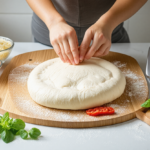
Instructions: Dissolve yeast and honey in warm water; let sit for 5–10 minutes until foamy. Mix flour and salt in a large bowl. Add olive oil and yeast mixture. Knead dough until smooth and elastic (~8 minutes). Let rise covered for 1 hour.
Step 2: Spread the Base
Preheat oven to 220°C (430°F). Roll out dough on a floured surface into your preferred shape. Transfer to a baking sheet or pizza stone. Lightly brush with olive oil for crispiness.
Step 3: Add the Healthy Toppings
Your toppings should be arranged thoughtfully. Start with a modest layer of tomato sauce made from fresh or roasted tomatoes, seasoned with herbs and spices. Then, layer vegetables, proteins, and a sprinkle of cheese or cheese alternative.
Step 4: Baking
Bake in the preheated oven for 12–15 minutes or until the crust is golden and toppings are cooked. For extra crispiness, use a baking stone or pan.
Step 5: Garnishing and Serving
Finish with a drizzle of extra virgin olive oil, fresh herbs (such as basil or arugula), or a squeeze of lemon. Slice and serve hot for maximum flavor and nutritional benefits.
Sample Healthy Pizza Recipes
Recipe 1: Veggie-Packed Whole Grain Pizza
This recipe emphasizes colorful vegetables and a nutritious crust:
- Whole wheat dough (see step above)
- Homemade tomato sauce (pureed roasted tomatoes, garlic, herbs)
- Bell peppers, zucchini, cherry tomatoes, spinach
- Part-skim mozzarella cheese
- Olive oil and fresh basil for garnish
Recipe 2: Cauliflower Crust Pizza with Toppings
For a low-carb, vegetable-rich option:
- Cauliflower crust (processed cauliflower mixed with egg, cheese, and spices)
- Lean turkey or chicken sausage
- Broccoli and mushrooms
- Vegan cheese or nutritional yeast
- Red pepper flakes for extra flavor
Health Benefits of a Nutritious Pizza
| Aspect | Benefit |
|---|---|
| High fiber content | Supports digestion and maintains blood sugar levels |
| Rich in antioxidants | Strengthens immune system and reduces inflammation |
| Healthy fats (olive oil, nuts) | Promotes heart health and cognitive function |
| Lean proteins and vegetables | Enhance satiety and provide essential nutrients |
Additional Tips for Making Healthy Pizza
- Limit processed meats like pepperoni and sausage; opt for grilled chicken or plant-based proteins.
- Control portion sizes to avoid overeating—consider two smaller pizzas over one large one.
- Experiment with herbs and spices instead of salt to enhance flavor naturally.
- Use minimal oil during baking and avoid excessive cheese.
- Incorporate seasonal vegetables for freshness and variety.
Summary and Final Thoughts
Crafting a healthy pizza is an achievable and enjoyable task. By selecting wholesome ingredients, balancing toppings with nutrient-dense options, and baking thoughtfully, it is possible to indulge in a tasty treat that aligns with health goals. Whether you prefer a classic crust with vegetable toppings or a low-carb cauliflower base, the key lies in moderation, creativity, and choosing ingredients that nourish the body. Embracing these strategies allows pizza lovers to savor their favorite dish without guilt and with maximum health benefits.
References
- Healthy eating guidelines from nutritional experts
- Research on the benefits of whole grains and vegetables
- Traditional Italian pizza recipes and their modern adaptations
Похожие записи:
 Mastering Gluten-Free and Keto-Friendly Pizza Bases: Delicious Recipes and Tips
  Mastering the Art of Stuffed and Deep-Dish Pizzas: Techniques, Tips, and Recipes
  Mastering Vegan and Vegetarian Pizza: Delicious Recipes and Culinary Inspiration
  Creating Balanced Pizza Recipes That Support Weight Management
  Balancing Macronutrients in Homemade Pizza Recipes: A Complete Guide
  Mastering Homemade Pizza Dough: Expert Tips for Perfect Results
  Unlocking the Secrets of Traditional Pizza: Nutritional Components and Their Impact on Health
  Ultimate Guide: Tips for Cooking Different Styles of Pizza at Home
  Scandinavian Rye-Based Flatbread Pizzas: A Delicious Twist on Traditional Pizza
  Lebanese Manakish with Za’atar and Cheese: A Delicious Twist on Traditional Pizzas Italian Stromboli with Layered Ingredients: A Delicious Twist on Classic Pizza
  Albanian Flia with Layered Fillings: A Delicious Twist on Traditional Pizzas
  The Evolution of Pizza Sauce Recipes Over Time: A Delicious Journey Through History
  How Pizza Can Be Adapted for Low-Carb and Ketogenic Diets: Delicious Alternatives for Every Taste
  Finnish Karjalanpiirakka with Its Regional Twist: A Delicious Journey Through History and Variations
  The Benefits of Using Plant-Based Proteins in Vegetarian Pizza Recipes