
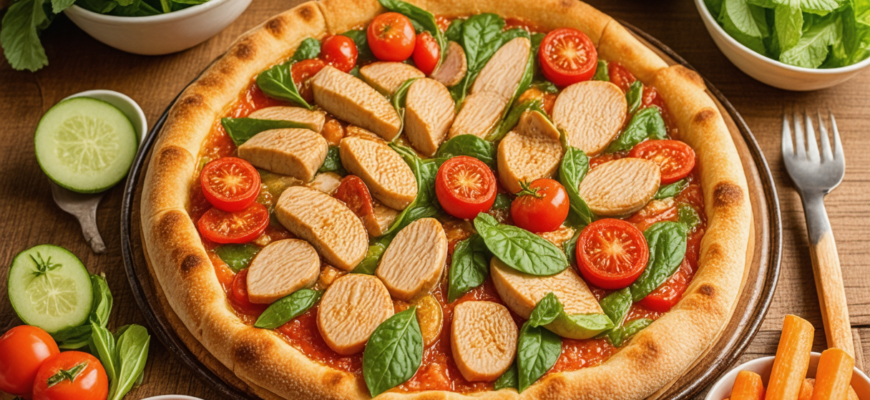
Pizza remains one of the most beloved and widely consumed dishes worldwide, captivating taste buds with its rich flavors and comforting dough. However, for those mindful of their health and weight management goals, traditional pizza recipes—often loaded with excess fats, refined carbs, and high-calorie toppings—may seem incompatible with healthy eating habits. Fortunately, it is entirely possible to craft pizza recipes that are both delicious and aligned with weight management principles. This comprehensive guide explores how to develop balanced pizza recipes that support your health goals without compromising taste.
- Understanding the Fundamentals of Healthy Pizza
- 1. The Importance of a Nutrient-Dense Dough
- 2. Healthy and Flavorful Sauces
- 3. Nutrient-Packed Toppings
- Table 1: Nutritional Components of Common Pizza Toppings
- Designing a Balanced Pizza Recipe for Weight Management
- 1. Selecting the Right Dough
- Ingredients:
- Preparation:
- 2. Choosing Light and Flavorful Sauces
- 3. Selecting and Preparing Toppings
- Sample Topping Combinations:
- Portion Control and Eating Mindfully
- Sample Nutritional Analysis of a Balanced Pizza Recipe
- Sample Recipe Data:
- Scientific Insights: How Balanced Pizza Contributes to Weight Management
- Role of Fiber and Protein
- Glycemic Index and Blood Sugar Control
- Effects of Healthy Fats
- Practical Tips for Creating Your Own Healthy Pizza
- Balancing Taste and Health in Pizza
- Additional Resources
Understanding the Fundamentals of Healthy Pizza
Before diving into specific recipes, it’s essential to grasp the key components of a balanced pizza. These components include the dough, sauce, toppings, and portion control, all contributing to the dish’s overall nutritional profile.
1. The Importance of a Nutrient-Dense Dough
The foundation of any pizza is its dough. Traditional recipes often rely on refined white flour, which can cause rapid spikes in blood sugar levels and lack essential nutrients. Replacing or supplementing flour with whole grains, legumes, or alternative flours can enhance fiber content and nutritional value.
2. Healthy and Flavorful Sauces
Classic tomato sauce is rich in lycopene, a powerful antioxidant, but it can also contain added sugars and sodium. Homemade sauces allow control over these additives, and incorporating herbs and spices boosts flavor without extra calories.
3. Nutrient-Packed Toppings
Choosing toppings that are rich in protein, fiber, vitamins, and minerals supports weight management and overall health. Focus on vegetables, lean proteins, and healthy fats rather than processed meats and high-fat cheeses.
Table 1: Nutritional Components of Common Pizza Toppings
| Topping | Nutritional Benefits | Considerations |
|---|---|---|
| Vegetables (bell peppers, spinach, mushrooms) | Rich in fiber, vitamins, antioxidants | Low in calories, high volume |
| Lean proteins (chicken breast, fish) | High-quality protein, supports satiety | Cooking method matters (bake, grill) |
| Healthy fats (avocado, nuts) | Supports cardiovascular health, satiety | Use in moderation due to calorie density |
| Cheese (light cheese, nutritional yeast) | Provides calcium, flavor enhancement | Opt for reduced-fat varieties |
Designing a Balanced Pizza Recipe for Weight Management
Crafting a pizza that aligns with health goals involves careful selection of ingredients and thoughtful portion management. The following sections outline essential steps and considerations for creating such recipes.
1. Selecting the Right Dough
The dough is the canvas of a healthy pizza. Options include:
- Whole wheat flour: Rich in fiber, helps increase satiety.
- Cauliflower crust: Low in carbs, high in fiber and nutrients.
- Legume-based flours (chickpea, lentil): High in protein and fiber.
Formula Example: Whole wheat pizza dough:
Ingredients:
- 2 cups whole wheat flour
- 1 cup warm water
- 1 tsp yeast
- 1 tbsp olive oil
- ½ tsp salt
Preparation:
- Activate yeast in warm water for 5 minutes.
- Mix flour and salt, then add yeast mixture and olive oil.
- Knead until smooth, let rise for 1 hour.
- Shape into a pizza base and pre-bake for 10 minutes before adding toppings.
2. Choosing Light and Flavorful Sauces
Sauces should be simple, homemade, and free of added sugars. A classic marinara can be made from crushed tomatoes, garlic, herbs, and a teaspoon of olive oil.
3. Selecting and Preparing Toppings
Prioritize vegetables, lean meats, and plant-based proteins. To maximize flavor without adding calories:
- Use spices and herbs instead of high-sodium seasonings.
- Opt for grilled or baked proteins.
- Limit cheese to light amounts or consider dairy alternatives like nutritional yeast for flavor.
Sample Topping Combinations:
- Spinach, mushrooms, grilled chicken, light cheese
- Bell peppers, red onion, turkey slices, tomato sauce
- Zucchini, cherry tomatoes, feta cheese, oregano
Portion Control and Eating Mindfully
Even with healthy ingredients, portion sizes matter. A typical balanced slice of pizza should be approximately 150-200 grams, and it’s advisable to limit yourself to 1-2 slices per meal. Eating slowly, savoring each bite, and avoiding mindless snacking can help prevent overeating.
Sample Nutritional Analysis of a Balanced Pizza Recipe
Let’s consider a hypothetical example: a whole wheat vegetable and chicken pizza with a modest amount of cheese and fresh toppings.
Sample Recipe Data:
- Crust: Whole wheat flour (200 kcal per serving)
- Sauce: Homemade tomato (50 kcal)
- Protein: Grilled chicken (150 kcal)
- Vegetables: Mixed peppers and spinach (50 kcal)
- Cheese: Light mozzarella (100 kcal)
Estimated total calories per slice (1/8 of pizza): Approx. 250-300 kcal
Scientific Insights: How Balanced Pizza Contributes to Weight Management
Role of Fiber and Protein
Consuming foods rich in fiber and protein helps increase feelings of fullness, reducing the likelihood of overeating. Whole grain crusts and vegetable toppings fulfill this role effectively in pizza.
Glycemic Index and Blood Sugar Control
Replacing refined flour with whole grain or legume-based flours lowers the glycemic index of the pizza, leading to more stable blood sugar levels and sustained energy release.
Effects of Healthy Fats
Incorporating healthy fats (like avocado or nuts) aids in satiety and supports hormonal regulation involved in hunger and metabolism.
Practical Tips for Creating Your Own Healthy Pizza
- Use a scale or measuring tools to keep portion sizes in check.
- Experiment with different healthy bases such as cauliflower or legume flours.
- Limit high-calorie toppings—less cheese, more vegetables, lean proteins.
- Opt for baking instead of frying or adding excessive oil.
- Incorporate herbs and spices for enhanced flavor without added calories.
- Plan meals ahead to avoid impulsive high-calorie choices.
Balancing Taste and Health in Pizza
Creating pizza recipes that aid in weight management is entirely achievable through mindful ingredient choices and portion control. By prioritizing nutrient-dense dough options, fresh vegetables, lean proteins, and judicious use of cheese and fats, it is possible to enjoy a delicious slice without compromising health goals. Incorporating these principles into homemade pizza preparation not only supports weight management but also encourages a sustainable and enjoyable approach to healthy eating.
Additional Resources
- Healthy pizza recipes and cooking tips
- The science of satiety and nutrition
- Meal planning for weight management
With careful planning and creative ingredient substitutions, pizza can be part of a balanced diet. Embrace the flexibility and variety that healthy pizza recipes offer and enjoy the process of making delicious, nourishing meals tailored for your health.
Похожие записи:
 Balancing Macronutrients in Homemade Pizza Recipes: A Complete Guide
  Creating Flavorful and Colorful Veggie-Based Pizzas: A Guide to Delicious, Healthy, and Vibrant Pies
  The Importance of Portion Control for Healthy Pizza Consumption
  The Journey of Creating Vegan Cheese for Pizza: From Concept to Slice
  Mastering Gluten-Free and Keto-Friendly Pizza Bases: Delicious Recipes and Tips
  Fiber-Rich Toppings to Boost Digestive Health in Pizza Dishes
  Unlocking the Secrets of Traditional Pizza: Nutritional Components and Their Impact on Health
  Mastering Vegan and Vegetarian Pizza: Delicious Recipes and Culinary Inspiration
  The Benefits of Adding Vegetables to Your Pizza for Health
  The Impact of Cheese Types on Pizza’s Nutritional Profile
  Unlocking Nutrition: How to Incorporate Superfoods into Pizza Toppings for a Healthier Twist
  The Role of Local Ingredients in Regional Pizza Recipes: A Culinary Journey Across Cultures
  The Evolution of Pizza Sauce Recipes Over Time: A Delicious Journey Through History
  The Rise of Healthy and Alternative Pizza Options: A Delicious Revolution
  Exploring the Antioxidants in Tomato Sauce and Their Health Benefits
  The Rise of Gluten-Free and Vegan Pizza Options: A Delicious Revolution