
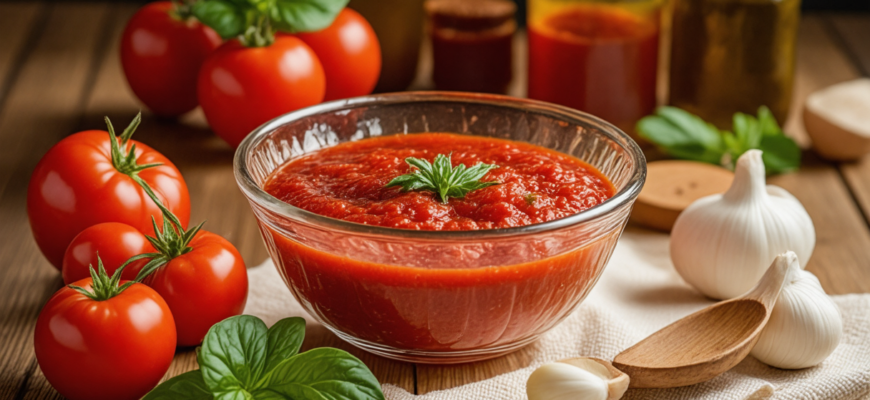
Tomato sauce is a beloved culinary staple across the globe, often serving as the foundation for various dishes, most notably pizzas. Beyond its flavor and versatility, tomato sauce is also a potent source of various health-promoting compounds, particularly antioxidants. This article delves into the rich world of antioxidants found in tomato sauce, exploring what they are, how they benefit health, and the scientific evidence supporting their role in wellness. Whether you’re a passionate foodie or a health-conscious consumer, understanding the antioxidant profile of tomato sauce can enhance your appreciation of this culinary delight and its place in a balanced diet.
- What Are Antioxidants?
- The Main Antioxidants Found in Tomato Sauce
- 1. Lycopene
- Health Benefits of Lycopene
- 2. Beta-carotene
- Health Benefits of Beta-carotene
- 3. Polyphenols
- Health Benefits of Polyphenols
- 4. Flavonoids
- Health Benefits of Flavonoids
- The Chemistry of Antioxidants in Tomato Sauce: How They Work
- Free Radical Scavenging
- Metal Chelation
- Gene Modulation
- Factors Influencing Antioxidant Content in Tomato Sauce
- Measuring Antioxidant Content: Techniques and Units
- Sample Antioxidant Content in Tomato Sauce
- Incorporating Tomato Sauce into a Healthy Diet
- Potential Risks and Considerations
- Summary: The Power of Tomatoes in Promoting Health
What Are Antioxidants?
Antioxidants are naturally occurring compounds that protect cells from damage caused by oxidative stress. Oxidative stress results from an imbalance between free radicals—unstable molecules that can harm cellular components—and antioxidants, which neutralize these free radicals. Over time, oxidative stress has been linked to a range of chronic diseases, including cardiovascular diseases, cancer, neurodegenerative disorders, and aging-related conditions.
There are many types of antioxidants, including vitamins, minerals, carotenoids, polyphenols, and flavonoids. The body itself produces some antioxidants, but many are obtained through diet, especially from fruits, vegetables, grains, nuts, and seeds. Tomato sauce is particularly rich in several key antioxidants, making it beneficial for health when consumed regularly as part of a balanced diet.
The Main Antioxidants Found in Tomato Sauce
1. Lycopene
Lycopene is a carotenoid pigment responsible for the characteristic red color of tomatoes. It is a powerful antioxidant with unique properties. Lycopene’s molecular structure allows it to neutralize free radicals effectively, especially singlet oxygen and other reactive oxygen species.
Research indicates that lycopene absorption increases significantly when tomatoes are cooked, as in tomato sauce, due to the breakdown of cell walls and the formation of more bioavailable isomers. Consuming cooked tomato products can provide a higher intake of lycopene compared to raw tomatoes.
Health Benefits of Lycopene
- Cardiovascular health: Lycopene has been associated with reduced LDL cholesterol oxidation, thereby decreasing atherosclerosis risk.
- Cancer prevention: Studies suggest lycopene may lower the risk of prostate, lung, and stomach cancers.
- Skin protection: It helps protect against UV damage and premature aging of skin.
2. Beta-carotene
Another prominent carotenoid in tomato sauce is beta-carotene. It serves as a precursor to vitamin A, crucial for vision, immune function, and cellular health. Beta-carotene acts as an antioxidant by quenching singlet oxygen and neutralizing free radicals.
Health Benefits of Beta-carotene
- Supports immune system function
- Promotes healthy vision
- Contributes to skin health
3. Polyphenols
Polyphenols are a diverse group of phytochemicals found in many plant-based foods, including tomatoes. In tomato sauce, polyphenols such as chlorogenic acid contribute to its antioxidant activity.
Health Benefits of Polyphenols
- Reduce inflammation and oxidative stress
- Protect cardiovascular health
- Possess anti-cancer properties
4. Flavonoids
Flavonoids are another class of polyphenols present in tomatoes. Notable flavonoids include quercetin and kaempferol, which exhibit antioxidant and anti-inflammatory activities.
Health Benefits of Flavonoids
- Support endothelial function
- Lower blood pressure
- Reduce risk of chronic diseases
The Chemistry of Antioxidants in Tomato Sauce: How They Work
The antioxidant activity of tomato sauce stems from the synergistic effects of its various compounds. These antioxidants operate through mechanisms such as free radical scavenging, metal chelation, and modulation of enzyme activity. Understanding these mechanisms can clarify how regular consumption of tomato-based dishes supports health.
Free Radical Scavenging
Antioxidants neutralize free radicals by donating electrons, stabilizing the reactive molecules, and preventing cellular damage.
Metal Chelation
Some antioxidants bind metal ions (like iron and copper), which catalyze free radical production via Fenton reactions, thus reducing oxidative stress.
Gene Modulation
Certain dietary antioxidants influence gene expression related to inflammation and cell proliferation, adding an extra layer of protective effects.
Factors Influencing Antioxidant Content in Tomato Sauce
| Factor | Description |
|---|---|
| Type of Tomatoes | Different varieties have varying levels of carotenoids and polyphenols. |
| Cooking Method | Cooking enhances lycopene bioavailability but can degrade some heat-sensitive compounds like vitamin C. |
| Processing and Storage | Prolonged storage may reduce antioxidant levels; processing (like canning) can either diminish or concentrate antioxidants depending on conditions. |
| Addition of Fat | Adding healthy fats (olive oil, for example) improves absorption of fat-soluble antioxidants like lycopene and beta-carotene. |
Measuring Antioxidant Content: Techniques and Units
Scientists analyze antioxidant levels using assays such as ORAC (Oxygen Radical Absorbance Capacity), FRAP (Ferric Reducing Antioxidant Power), and DPPH (2,2-diphenyl-1-picrylhydrazyl) assay. Results are typically expressed in units such as micromoles Trolox equivalents per gram (μmol TE/g) or milligrams per 100 grams.
Sample Antioxidant Content in Tomato Sauce
- Lycopene: 15-30 mg per serving (per 100g)
- Beta-carotene: 1-3 mg per serving
- Polyphenols: 50-150 mg per serving
Incorporating Tomato Sauce into a Healthy Diet
To maximize antioxidant intake and health benefits, consider the following dietary tips:
- Use homemade or minimally processed tomato sauces to retain maximum antioxidants.
- Add a dash of healthy fats like olive oil to enhance absorption.
- Combine with other antioxidant-rich foods such as bell peppers, spinach, and garlic.
- Consume cooked tomato products regularly, especially during the colder months when fresh produce is less available.
Potential Risks and Considerations
While tomato sauce offers numerous health benefits, some considerations are necessary. Processed tomato products can contain added sugars, sodium, and preservatives, which may negate some health advantages if consumed excessively. Patients with tomato allergies or acid reflux conditions should be cautious. Moderation and choosing high-quality, low-additive options are key.
Summary: The Power of Tomatoes in Promoting Health
Tomato sauce is a natural treasure trove of antioxidants that contribute significantly to health maintenance and disease prevention. Its rich content of lycopene, beta-carotene, polyphenols, and flavonoids underpins many scientific findings about the benefits of consuming processed tomato products. By understanding how these compounds work and how to optimize their intake, consumers can better harness the health-promoting properties of this culinary staple.
In the realm of functional foods, tomato sauce stands out not only for its flavor and culinary versatility but also for its impressive antioxidant profile. Regular consumption, particularly when prepared thoughtfully, can be a vital part of a diet aimed at reducing oxidative stress, supporting cardiovascular health, and fending off chronic diseases. As research continues to unveil the health potentials of tomato-derived compounds, it becomes clear that this humble sauce is much more than just a pizza topping — it’s a natural ally for health and wellness.
Похожие записи:
 The Benefits of Adding Vegetables to Your Pizza for Health
  Unlocking the Secrets of Traditional Pizza: Nutritional Components and Their Impact on Health
  The Evolution of Pizza Sauce Recipes Over Time: A Delicious Journey Through History
  Unlocking Flavor: The Art of Incorporating Herbs and Spices into Pizza for a Burst of Taste
  California-Inspired Pizzas: Fresh Avocado, Sprouts, and Lemon Zest for Every Taste
  Mediterranean Medley: Olives, Sun-Dried Tomatoes, and Feta Cheese – A Flavorful Journey into Mediterranean Pizza Toppings
  Sweet Potato Slices, Arugula, and Blue Cheese for a Sophisticated Bite: Elevating Pizza Toppings to Gourmet Levels
  Lemon Zest, Mozzarella, and Fresh Herbs for a Refreshingly Citrus Twist in Gourmet Pizzas
  Balancing Macronutrients in Homemade Pizza Recipes: A Complete Guide
  Caprese-Inspired Pizza with Fresh Mozzarella, Basil, and Balsamic Reduction: A Delicious Twist on Classic Flavors
  Creating Flavorful and Colorful Veggie-Based Pizzas: A Guide to Delicious, Healthy, and Vibrant Pies
  The Rise of Healthy and Alternative Pizza Options: A Delicious Revolution
  Maltese Ftira with Local Flavors: A Delicious Twist on Traditional Pizza
  Croatian Pizza with Mediterranean Influences: A Culinary Journey
  The Impact of Cheese Types on Pizza’s Nutritional Profile
  Lebanese Manakish with Za’atar and Cheese: A Delicious Twist on Traditional Pizzas