
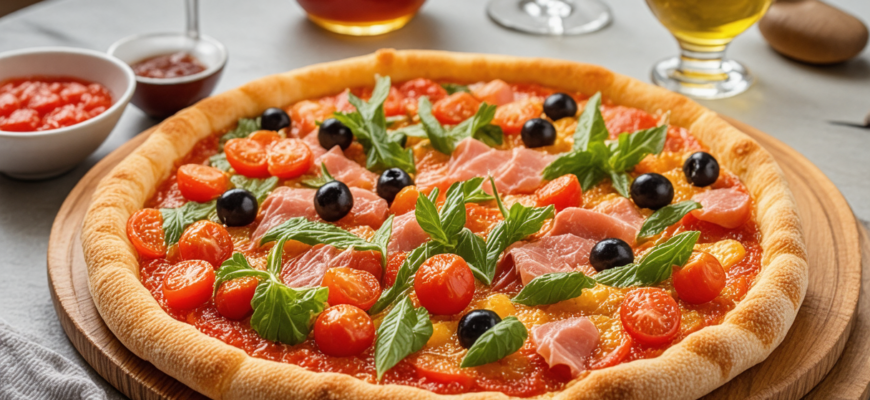
Throughout the world, pizza has become a universal dish enjoyed by countless cultures, each adding its unique twists and local flavors. Among these variations, Croatian pizza infused with Mediterranean influences stands out as a remarkable example of culinary fusion. Combining traditional Italian pizza elements with the fresh, vibrant ingredients characteristic of the Mediterranean region, Croatian-style pizza offers a delightful gastronomic experience. This article explores the rich history, signature ingredients, traditional recipes, and innovative variations of Croatian pizza with Mediterranean influences, providing an in-depth guide for culinary enthusiasts and curious food lovers alike.
- The Origins and Evolution of Croatian Pizza
- Historical Background of Pizza in Croatia
- The Fusion of Cultures and Ingredients
- The Signature Ingredients of Croatian Mediterranean Pizza
- Fresh and Local Produce
- Olive Oil and Capers
- Seafood and Vegetables
- Traditional Croatian Mediterranean Pizza Recipes
- Classic Croatian Seafood Pizza
- Ingredients:
- Preparation Steps:
- Vegetarian Mediterranean Croation Pizza
- Ingredients:
- Preparation Steps:
- Innovative Variations and Modern Trends
- Fusion Pizzas Inspired by Croatian and Mediterranean Cuisine
- Health and Sustainability Focus
- The Science Behind the Flavors: How Mediterranean Influences Elevate Pizza
- Flavor Profile Analysis
- Key Formulas and Flavor Combinations
- Steps for Making Perfect Croatian-Style Mediterranean Pizza at Home
- Essential Tips:
- Sample Recipe Card: Croatian Mediterranean Pizza
- References and Further Reading
The Origins and Evolution of Croatian Pizza
Historical Background of Pizza in Croatia
While pizza as we know it originated in Italy, its adoption and adaptation across the Adriatic coast have created a unique Croatian variation that reflects local tastes and ingredients. Coastal towns like Split, Dubrovnik, and Zadar have long embraced a Mediterranean diet rich in fresh vegetables, seafood, and olive oil, which naturally influenced their take on pizza.
Initially, Croatian pizza was a simple, rustic dish enjoyed as fast street food or casual dining. Over time, it evolved, incorporating Mediterranean herbs, cheeses, and local produce to become a distinctive culinary product that resonates deeply with regional traditions and modern gastronomy.
The Fusion of Cultures and Ingredients
Croatia’s geographical position as a crossroads of Mediterranean, Central European, and Balkan influences has enriched its cuisine. In the realm of pizza, this melting pot manifests through the incorporation of local ingredients such as:
- Olives and olive oil
- Seafood (mussels, anchovies, squid)
- Fresh herbs (basil, oregano, rosemary)
- Cheeses (ricotta, feta, local cheeses)
- Seasonal vegetables (bell peppers, tomatoes, eggplant)
All these elements contribute to a flavor profile that is both robust and light, making Croatian pizza with Mediterranean influences a popular choice for health-conscious eaters seeking fresh and flavorful dishes.
The Signature Ingredients of Croatian Mediterranean Pizza
Fresh and Local Produce
The backbone of Croatian pizza with Mediterranean influences is the abundant use of fresh ingredients sourced from local markets and the sea. These include:
- Tomatoes (preferably heirloom or cherry varieties)
- Olives (Dalmatian or black olives)
- Seafood (mussels, calamari, anchovies)
- Herbs (basil, parsley, rosemary, oregano)
- Cheeses (feta, ricotta, local hard cheeses)
Olive Oil and Capers
Extra virgin olive oil is essential not only for drizzling and the dough but also as a flavor enhancer. Capers add a sharp, salty note that complements seafood toppings and fresh herbs.
Seafood and Vegetables
Seafood toppings, such as calamari rings and mussels, are commonly used, bringing a taste of the Adriatic Sea directly to the pizza. Vegetables like roasted eggplant, red peppers, and cherry tomatoes add sweetness and texture.
Traditional Croatian Mediterranean Pizza Recipes
Classic Croatian Seafood Pizza
Ingredients:
- Pizza dough (prepared or homemade)
- Tomato sauce (made with fresh tomatoes and herbs)
- Fresh calamari rings
- Mussels
- Olives (pitted and sliced)
- Feta cheese or ricotta
- Extra virgin olive oil
- Fresh basil leaves
- Salt and pepper to taste
Preparation Steps:
- Preheat the oven to 250°C (482°F).
- Roll out the pizza dough on a floured surface to desired thickness.
- Spread a thin layer of tomato sauce across the base.
- Distribute calamari, mussels, and olives evenly over the sauce.
- Crumble feta or spoon dollops of ricotta on top.
- Drizzle with olive oil and season with salt and pepper.
- Bake in the oven for 10-15 minutes until the crust is golden and seafood is cooked.
- Garnish with fresh basil before serving.
Vegetarian Mediterranean Croation Pizza
Ingredients:
- Prepared pizza dough
- Tomato base
- Grilled eggplant slices
- Red and yellow peppers
- Cherry tomatoes
- Feta cheese
- Olives and capers
- Fresh herbs (oregano, parsley)
- Olive oil
Preparation Steps:
- Preheat oven to 250°C (482°F).
- Spread tomato sauce evenly over the rolled-out dough.
- Arrange grilled eggplant, peppers, and cherry tomatoes over the sauce.
- Add olives, capers, and crumbled feta cheese.
- Sprinkle herbs on top and drizzle with olive oil.
- Bake for approximately 12-15 minutes until crust is crispy.
- Serve warm with a sprinkle of fresh herbs.
Innovative Variations and Modern Trends
Fusion Pizzas Inspired by Croatian and Mediterranean Cuisine
Contemporary chefs are experimenting by blending traditional Croatian ingredients with modern pizza styles, resulting in innovative dishes such as:
- Mediterranean Seafood & Herb Pizza: featuring marinated seafood, fresh herbs, and lemon zest.
- Olive and Feta Brisket Pizza: combining smoky meats with Mediterranean cheeses and olives.
- Stuffed Crust with Roasted Vegetables: emphasizing local vegetables and finishing with a garlic-infused olive oil drizzle.
Health and Sustainability Focus
Recent trends also emphasize health-conscious ingredients like gluten-free crusts, plant-based cheeses, and organic produce, aligning with the Mediterranean diet’s principles. Sustainable sourcing of seafood and local produce is increasingly becoming a standard in Croatian-style pizza preparation.
The Science Behind the Flavors: How Mediterranean Influences Elevate Pizza
Flavor Profile Analysis
The appeal of Croatian pizza with Mediterranean influences lies in its complex flavor interactions. The acidity of tomatoes balances the saltiness of olives, while the freshness of herbs cuts through the richness of cheeses and seafood. The use of high-quality olive oil adds depth, aroma, and a silky mouthfeel.
Key Formulas and Flavor Combinations
While cooking is an art, certain formulas help achieve balanced flavor profiles.
| Flavor Balance Formula | Application |
|---|---|
| Sum of savory + sour + aromatic flavors | Ensures a harmonious pizza with depth and freshness |
| Olive oil + fresh herbs + sea salt | Enhances aroma and boosts overall taste |
| Sweetness from roasted peppers or cherry tomatoes + acidity from tomatoes | Creates a balanced flavor profile |
Steps for Making Perfect Croatian-Style Mediterranean Pizza at Home
Essential Tips:
- Use high-quality ingredients: Authentic flavor relies heavily on fresh produce and genuine olive oil.
- Prepare the dough properly: Allow it to ferment adequately for better texture and flavor.
- Layer toppings thoughtfully: Heavier ingredients like seafood go on top of veggies to prevent sogginess.
- Bake at high temperature: Ensures a crispy crust and well-cooked toppings.
- Add fresh herbs after baking: To preserve their aroma and flavor.
Sample Recipe Card: Croatian Mediterranean Pizza
Croatian pizza infused with Mediterranean influences exemplifies the harmonious blending of regional ingredients, culinary traditions, and modern innovation. With its emphasis on fresh seafood, herbs, and olive oil, it offers a flavorful yet light alternative to more traditional pizza styles. Whether enjoyed in its classic form or as an inventive variation, Croatian Mediterranean pizza continues to captivate the palates of food aficionados across the globe. Embracing this culinary hybrid provides an authentic taste of Croatia’s coastal charms and Mediterranean vibrancy, making it a compelling dish for every pizza lover seeking new flavors and regional diversity.
References and Further Reading
- Traditional Croatian Cuisine and Olive Oil Production
- Adriatic Seafood Recipes
- The Mediterranean Diet and Its Benefits
- Modern Pizza Trends in Coastal Europe
Похожие записи:
 Japanese Okonomiyaki with Pizza-Like Toppings: A Fusion of Flavors and Culinary History
  Calzone: The Folded Pizza from Italy – A Delicious Journey into Italian Cuisine
  South African Queen Pizza with Local Flavors: A Tasty Fusion of Tradition and Innovation
  Brazilian Pizza with Unique Tropical Ingredients: A Delicious Fusion of Flavors
  Mexican Tlayuda and Its Rustic Toppings: A Deep Dive into a Unique Culinary Tradition
  Sicilian Pizza: A Delicious Dive into Thick, Square Slices and Its Rich History
  Discovering Czech Pizza: Delicious Variations and Traditional Toppings
  Roman Pizza al Taglio and Its Rectangular Slices: A Deep Dive into Tradition, Technique, and Tastes
  Neapolitan Pizza: The Art of Authentic Preparation
  Swedish Spritz with Its Thin Crust and Savory Toppings: A Delicious Twist in Pizza Styles
  Scandinavian Rye-Based Flatbread Pizzas: A Delicious Twist on Traditional Pizza
  Margarita Pizza: Italy’s Timeless Classic
  Finnish Karjalanpiirakka with Its Regional Twist: A Delicious Journey Through History and Variations
  Chicago Deep-Dish Pizza and Its Hearty Layers: A Delicious Journey into Its Unique Structure
  Lebanese Manakish with Za’atar and Cheese: A Delicious Twist on Traditional Pizzas
  New York-Style Thin Crust Pizza: The Iconic Street Food of the Big Apple