
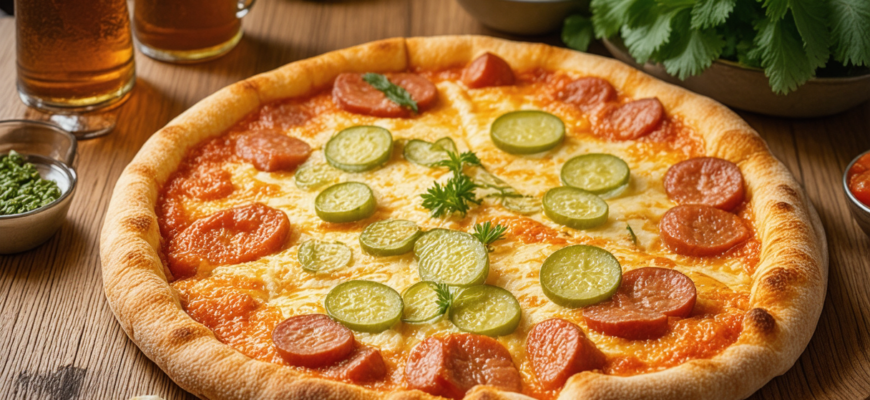
Pizza is undeniably one of the world’s most beloved culinary delights, enjoyed in countless countries and adapted to countless tastes. While Italy is its birthplace, each country adds its unique twist—Czech Republic included. Czech pizza, with its distinctive variations and culinary traditions, offers a fascinating glimpse into how local flavors and ingredients influence this iconic dish. This comprehensive guide delves into the history,Popular types, traditional toppings, and recipes of Czech-style pizzas, celebrating their cultural significance and unique taste.
- Introduction to Czech Pizza: A Unique Culinary Heritage
- Historical Overview of Pizza in Czechia
- Origins and Early Adoption
- Evolution and Modern Popularity
- Popular Types of Czech Pizza
- 1. Classic Czech Pizza (Klasická Česká Pizza)
- 2. Láďa’s Style (Láďa’s Pizza)
- 3. Prague-Style Pizza
- 4. Fast-Food Style Pizza
- Traditional Toppings of Czech Pizza
- 1. Smoked Meats
- 2. Pickled Vegetables
- 3. Cheeses
- 4. Vegetables
- 5. Sauces and Additional Flavors
- Popular Czech Pizza Recipes
- Recipe 1: Traditional Czech Sausage and Mushroom Pizza
- Ingredients:
- Preparation:
- Recipe 2: Prague-Style Gourmet Pizza
- Ingredients:
- Preparation:
- Top Tips for Making Authentic Czech Pizza at Home
- The Cultural Significance of Toppings and Variations
- Comparison Table of Czech Pizza Variations and Toppings
- The Diversity and Charm of Czech Pizza
- References and Further Reading
Introduction to Czech Pizza: A Unique Culinary Heritage
The Czech Republic’s culinary landscape is a blend of influences from neighboring Central European countries along with its own rich traditions. Although pizza is a relatively recent addition compared to centuries-old Czech dishes like goulash and svíčková, local chefs and home cooks have creatively adapted Italian inspiration to regional tastes. As a result, Czech pizza offers a combination of familiar flavors with local ingredients, creating a distinctive culinary identity.
Understanding the history and evolution of Czech pizza helps appreciate its variations and what makes it stand out among international counterparts. From the initial arrival of pizza after World War II to modern-day innovative toppings, Czech pizza is a reflection of cultural exchange, local produce, and culinary creativity.
Historical Overview of Pizza in Czechia
Origins and Early Adoption
The introduction of pizza to the Czech Republic dates back to the mid-20th century, with increased Western influence after World War II. Initially considered a novelty, pizza gradually gained popularity in major cities like Prague, Brno, and Ostrava, particularly among younger generations and expatriates.
Evolution and Modern Popularity
Today, pizza is a staple in Czech food culture, available in pizzerias, fast-food outlets, and even home kitchens. Local adaptation led to the development of traditional toppings that resonate with regional palate preferences, including ingredients like smoked meats, pickled vegetables, and local cheeses.
Popular Types of Czech Pizza
Czech pizza is not monolithic; instead, it boasts several popular styles, each with its distinct characteristics. Here are some of the most prevalent types that have become staples across the country:
1. Classic Czech Pizza (Klasická Česká Pizza)
This traditional style features a thin crust topped with simple, hearty ingredients. It often includes tomato sauce, cheese, and toppings such as ham, sausage, and mushrooms. It is characterized by robust flavors and straightforward preparation.
2. Láďa’s Style (Láďa’s Pizza)
Named after a popular Czech pizza chef, this variation combines a thicker crust with a mix of cheeses, smoked meats, and pickled vegetables. It is known for its rich taste and filling portion sizes.
3. Prague-Style Pizza
In the capital city, pizzas tend to be slightly more refined, sometimes incorporating ingredients like goat cheese, arugula, and balsamic glaze for a gourmet touch. The crust may be hand-tossed and slightly airy.
4. Fast-Food Style Pizza
Very popular among younger crowds, these pizzas are quick, often frozen or pre-made, with toppings such as pepperoni, sliced sausage, and corn. They emphasize convenience over elaborate presentation.
Traditional Toppings of Czech Pizza
One of the most interesting aspects of Czech pizza is the set of traditional toppings that reflect local tastes, available ingredients, and regional culinary influences. Below are some of the most common and iconic toppings that define Czech-style pizza.
1. Smoked Meats
- Klobása (Czech Sausage): A smoked sausage with a rich flavor, sliced thin and spread evenly across the pizza.
- Šunka (Ham): Often used in combination with smoked meats, adds a mild salty flavor.
- Kachna (Duck or Chicken): Less common but adds a hearty, smoky taste when used.
2. Pickled Vegetables
- Pickled Cucumbers: Sliced and used as a topping that adds a tangy crunch.
- Kimchi (adapted version): Occasionally used for a spicy, fermented flavor.
3. Cheeses
- Žďár cheese (similar to Edam or Gouda): Frequently used for its melting properties and mild flavor.
- Brie or Goat Cheese: For gourmet variations, especially in urban areas.
4. Vegetables
- Mushrooms: Especially wild forest mushrooms, sautéed before topping.
- Onions: Sliced raw or caramelized for extra flavor.
- Bell Peppers: Thinly sliced for sweet taste and color.
5. Sauces and Additional Flavors
- Mustard: A spicy or honey-mustard base often used for unique flavor combinations.
- Pickled Jalapeños or Hot Peppers: For spicy variation, less traditional but increasingly popular.
Popular Czech Pizza Recipes
Recipe 1: Traditional Czech Sausage and Mushroom Pizza
Ingredients:
- Pizza dough (ready-made or from scratch)
- Tomato sauce
- Shredded Žďár cheese
- Thinly sliced smoked sausage (klobása)
- Fresh mushrooms (preferably wild forest types)
- Sliced onions
- Olive oil
- Fresh herbs (parsley, oregano)
Preparation:
- Preheat the oven to 220°C (430°F).
- Roll out the pizza dough on a baking sheet lined with parchment paper.
- Spread tomato sauce evenly over the base.
- Sprinkle a generous layer of cheese.
- Add slices of smoked sausage, mushrooms, and onions.
- Drizzle with olive oil and sprinkle with herbs.
- Bake for 12-15 minutes until the crust is golden and cheese is bubbly.
Recipe 2: Prague-Style Gourmet Pizza
Ingredients:
- Pizza dough
- Olive oil and balsamic vinegar mixture
- Goat cheese
- Arugula
- Sliced roasted peppers
- Chia seeds or pumpkin seeds for garnish
Preparation:
- Bake the pizza crust until lightly golden.
- Spread a light layer of olive oil and balsamic reduction.
- Add dollops of goat cheese and roasted peppers.
- Top with fresh arugula and seeds after baking.
- Serve immediately for a gourmet experience.
Top Tips for Making Authentic Czech Pizza at Home
- Use quality ingredients: Local cheeses, smoked meats, and fresh vegetables make a difference.
- Experiment with toppings: Incorporate regional ingredients like wild mushrooms or pickled vegetables.
- Optimize crust thickness: Czech pizza tends to favor a thinner, crispier base, though variations exist.
- Pay attention to spices and herbs: Ground paprika, garlic, and fresh herbs add the authentic flavor profile.
- Temper the flavors: Combining smoky, tangy, and savory ingredients creates a balanced taste.
The Cultural Significance of Toppings and Variations
In Czechia, pizza is often associated with communal eating, celebrations, and casual gatherings. The toppings reflect the country’s culinary ethos— hearty, flavorful, and rooted in local traditions. Additionally, the convergence of diverse ingredients illustrates a flexible, adaptable approach to food, emphasizing taste over strict authenticity. Regional variations often evolve based on available ingredients, culinary trends, and personal preferences.
Comparison Table of Czech Pizza Variations and Toppings
| Type of Czech Pizza | Typical Crust | Common Toppings | Flavor Profile |
|---|---|---|---|
| Traditional Czech Pizza | Thin or medium crust | Smoked meats, ham, mushrooms, onions, cheese | Robust, hearty, smoky |
| Láďa’s Style | Thick crust | Sausages, smoked meats, pickled vegetables, cheese | Rich, filling, smoky |
| Gourmet Prague Style | Hand-tossed, airy | Goat cheese, arugula, roasted peppers, balsamic | Elegant, fresh, slightly tangy |
| Fast-Food Style | Varies, often thick | Pepperoni, corn, sliced sausage, cheese | Convenient, cheesy, savory |
The Diversity and Charm of Czech Pizza
Czech pizza exemplifies how a globally loved dish can be uniquely tailored to reflect local tastes, ingredients, and traditions. Its variations—from simple, hearty slices to sophisticated gourmet versions—highlight the country’s culinary adaptability and creativity. Whether enjoyed as a quick snack, a family meal, or a gourmet treat, Czech-style pizza continues to grow in popularity, becoming an integral part of Central European food culture.
Exploring Czech pizza offers not only a taste adventure but also insight into regional history, culinary traditions, and cultural identity. Whether experimenting with traditional toppings like smoked sausages and mushrooms or exploring modern gourmet options, enthusiasts can enjoy a versatile and delicious representation of Czech culinary artistry.
References and Further Reading
- “Czech Cuisine and Culinary Traditions” — Regional Food Guide
- “The History of Pizza in Central Europe” — Food History Journal
- “Traditional Czech Ingredients” — Central European Food Resources
Enjoy exploring the rich flavors and diverse variations of Czech pizza – a true gastronomic treasure of Central Europe.
Похожие записи:
 Swedish Spritz with Its Thin Crust and Savory Toppings: A Delicious Twist in Pizza Styles
  Japanese Okonomiyaki with Pizza-Like Toppings: A Fusion of Flavors and Culinary History
  Sicilian Pizza: A Delicious Dive into Thick, Square Slices and Its Rich History
  Finnish Karjalanpiirakka with Its Regional Twist: A Delicious Journey Through History and Variations
  Brazilian Pizza with Unique Tropical Ingredients: A Delicious Fusion of Flavors
  Calzone: The Folded Pizza from Italy – A Delicious Journey into Italian Cuisine
  Mexican Tlayuda and Its Rustic Toppings: A Deep Dive into a Unique Culinary Tradition
  Lebanese Manakish with Za’atar and Cheese: A Delicious Twist on Traditional Pizzas
  New York-Style Thin Crust Pizza: The Iconic Street Food of the Big Apple
  South African Queen Pizza with Local Flavors: A Tasty Fusion of Tradition and Innovation
  Roman Pizza al Taglio and Its Rectangular Slices: A Deep Dive into Tradition, Technique, and Tastes
  Belgian Tarte Flambée: The Crisp and Delicious Classic
  Margarita Pizza: Italy’s Timeless Classic
  Neapolitan Pizza: The Art of Authentic Preparation
  Chicago Deep-Dish Pizza and Its Hearty Layers: A Delicious Journey into Its Unique Structure
  French Pissaladière with Caramelized Onions and Anchovies: A Classic Cuisine Delight