
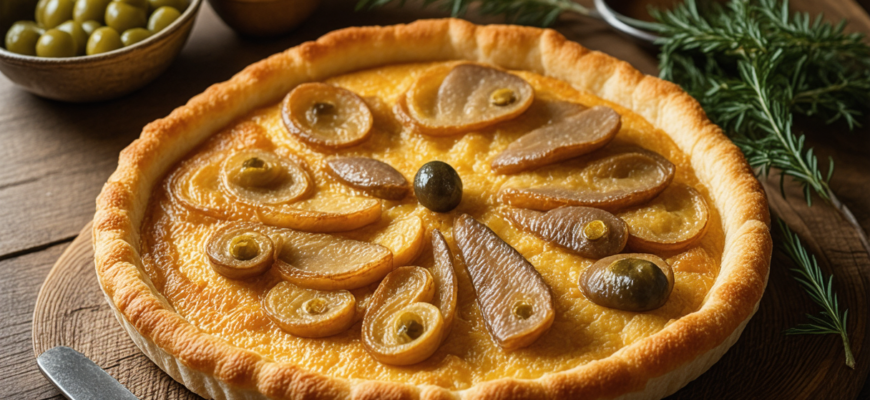
When exploring the rich tapestry of European culinary traditions, certain dishes stand out due to their unique flavors, historical significance, and regional appeal. The French pissaladière, originating from the sunny shores of Provence and neighboring regions, is a prime example. Combining sweet caramelized onions, savory anchovies, and olives on a crisp, flaky base, this dish embodies the perfect harmony of contrasting tastes and textures. Its origin, ingredients, variations, and culinary techniques make it a fascinating subject for both food enthusiasts and professional chefs alike. This comprehensive guide delves into the history, preparation, and nuances of making an authentic French pissaladière with caramelized onions and anchovies—an irresistible addition to any “Pizzas for every taste” collection.
- Historical Background of Pissaladière
- Origins and Evolution
- Core Ingredients and Their Significance
- 1. Onions
- 2. Anchovies
- 3. Olives
- 4. Tomato (Optional)
- 5. Dough Base
- Preparation Process: Step-by-Step Guide
- Step 1: Preparing the Dough
- Step 2: Caramelizing the Onions
- Step 3: Assembling the Pissaladière
- Step 4: Baking
- Variations and Modern Twists
- Traditional vs. Contemporary
- Vegetarian Alternative
- Flavor Profile Analysis: Balancing Sweet, Salty, and Umami
- Nutrition Facts and Health Benefits
- Serving Suggestions and Pairings
- Optimal Serving Temperature
- Complementary Dishes and Beverages
- Technical Tips for Perfect Pissaladière
- Choosing the Right Flour
- Controlling Caramelization
- Ensuring Crispiness
- References and Further Reading
- Final Words
Historical Background of Pissaladière
Origins and Evolution
The pissaladière carries deep roots in the culinary landscape of Provence, a region renowned for its sun-drenched produce, fragrant herbs, and vibrant flavors. Its name derives from “pissala,” a Ligurian word for a type of onion or onion-based condiment, reflecting the dish’s emphasis on onions as the star ingredient. Historically, pissaladière was considered a peasant dish—an accessible, hearty meal built around simple, locally available ingredients like onions, anchovies, and olives.
Over centuries, the dish transitioned from rustic street food to a refined delicacy served in cafes and restaurants, especially during the summer months when locally grown onions and fresh fish were abundant. Its evolution was influenced by neighboring culinary traditions, particularly Italian and Spanish, which share similar toppings and baking techniques.
Core Ingredients and Their Significance
Understanding the role of each component helps appreciate the balance and harmony in authentic pissaladière.
1. Onions
The backbone of the dish, onions are slowly caramelized to develop deep, sweet flavors. Their natural sweetness balances the saltiness of the anchovies and brininess of olives, creating a complex taste profile.
2. Anchovies
Small, salt-cured fish that lend a savory umami depth. Their intense flavor adds complexity, and their salinity complements the sweetness of the onions.
3. Olives
Typically Niçoise or black olives, they contribute a briny note and a textural contrast, tying flavors together.
4. Tomato (Optional)
Although traditional recipes often omit tomato, some variations include it for added moisture and acidity.
5. Dough Base
A thin, crispy pastry made from simple ingredients—flour, water, olive oil, and salt—serving as the canvas for toppings.
Preparation Process: Step-by-Step Guide
Step 1: Preparing the Dough
The foundation of an authentic pissaladière begins with preparing a light, flaky pastry. The dough is typically made by combining:
- 2 cups (250g) all-purpose flour
- 1/2 teaspoon salt
- 2 tablespoons olive oil
- About 3/4 cup (180ml) cold water
Mix the dry ingredients, then gradually add water and olive oil until the dough forms a smooth, elastic ball. Let it rest for 30 minutes to relax gluten strands.
Step 2: Caramelizing the Onions
The key to authentic pissaladière is slow-cooked onions that become sweet and tender. Follow these steps:
- Slice 4-5 large onions thinly.
- Heat 2 tablespoons of olive oil in a large skillet over medium-low heat.
- Add onions and some salt to help draw out moisture.
- Cook slowly, stirring frequently, for 45-60 minutes until onions turn a rich, golden-brown color.
- Optional: Add a teaspoon of balsamic vinegar or sugar to enhance sweetness.
Step 3: Assembling the Pissaladière
Once the onions are caramelized, roll out the dough into a thin rectangle or circle to fit your baking sheet. Transfer to a preheated oven set to 200°C (392°F). Spread the caramelized onions evenly over the dough, then arrange anchovies and olives on top at regular intervals.
Step 4: Baking
Bake for 25-30 minutes until the crust is golden and crispy. Remove from oven and allow to cool slightly before serving.
Variations and Modern Twists
Traditional vs. Contemporary
While the classic recipe emphasizes simplicity, chefs worldwide have experimented with various toppings and ingredient swaps, such as:
- Adding roasted red peppers for sweetness
- Incorporating garlic or herbs into the onion mixture
- Using different types of olives or anchovy preparations
- Replacing traditional dough with gluten-free or sourdough bases
Vegetarian Alternative
For those preferring a vegetarian version, replace anchovies with marinated artichokes or sun-dried tomatoes, balancing flavors with extra herbs and spices.
Flavor Profile Analysis: Balancing Sweet, Salty, and Umami
| Flavor Component | Ingredients | Description |
|---|---|---|
| Sweet | Caramelized onions, balsamic vinegar (optional) | Provides richness and depth to the overall flavor |
| Salty/Briny | Anchovies, olives | Enhances umami and balances sweetness |
| Umami | Anchovies, olives, dough | Creates a savory, satisfying taste experience |
Nutrition Facts and Health Benefits
While traditionally considered a hearty holiday or street food, pissaladière can be a nutritious component of a balanced diet if consumed in moderation. Onions are rich in antioxidants, vitamins, and fiber; anchovies provide omega-3 fatty acids; and olives contribute healthy monounsaturated fats. However, due to the salt content, it’s advised to enjoy this dish as part of a varied diet.
Serving Suggestions and Pairings
Optimal Serving Temperature
Serve warm or at room temperature to best enjoy the layered flavors. It can also be prepared ahead and enjoyed later, making it ideal for picnics or meals with friends.
Complementary Dishes and Beverages
- Fresh green salad with vinaigrette
- Crusty French baguette or sourdough bread
- Cold white wines such as Sauvignon Blanc or Picpoul de Pinet
- Light reds or rosés for a more robust pairing
Technical Tips for Perfect Pissaladière
Choosing the Right Flour
Opt for high-quality, bread or all-purpose flour for better gluten development and a crispy crust.
Controlling Caramelization
Cook onions slowly on low heat to prevent burning and achieve the ideal sweetness and softness. Patience is key in developing flavor depth.
Ensuring Crispiness
Preheat the oven thoroughly and consider using a pizza stone or steel to mimic authentic Provençal baking conditions, resulting in extra crispness.
The French pissaladière with caramelized onions and anchovies is more than just a pizza—it’s a taste journey into the heart of Provence’s regional cuisine. Its harmonious balance of sweetness, saltiness, and umami, combined with simple yet flavorful ingredients, makes it a versatile and beloved dish worldwide. Whether served as an appetizer, light meal, or party finger food, this dish exemplifies how humble ingredients can create culinary magic. Mastering the art of preparation allows cooks to enjoy an authentic representation of regional heritage, or to innovate with modern twists that satisfy contemporary palates.
References and Further Reading
- Historical sources on Provencal cuisine
- Cooking techniques for caramelized onions
- Regional variations of pissaladière in France and Italy
- Pairing wines with Provençal dishes
Final Words
Incorporating this delectable French specialty into your culinary repertoire not only enriches your menu options but also connects you with centuries-old traditions that continue to delight food lovers today. With careful attention to ingredients and technique, crafting the perfect pissaladière with caramelized onions and anchovies is an achievable goal that rewards with a rustic yet refined taste experience sure to impress friends and family alike.
Похожие записи:
 Calzone: The Folded Pizza from Italy – A Delicious Journey into Italian Cuisine
  Margarita Pizza: Italy’s Timeless Classic
  Sicilian Pizza: A Delicious Dive into Thick, Square Slices and Its Rich History
  Neapolitan Pizza: The Art of Authentic Preparation
  Roman Pizza al Taglio and Its Rectangular Slices: A Deep Dive into Tradition, Technique, and Tastes
  New York-Style Thin Crust Pizza: The Iconic Street Food of the Big Apple
  Chicago Deep-Dish Pizza and Its Hearty Layers: A Delicious Journey into Its Unique Structure