
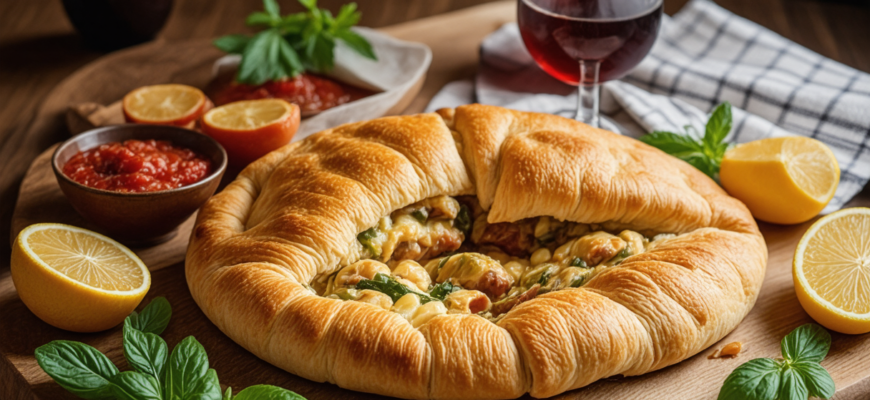
When pondering the rich diversity of Italian dishes, pizza undoubtedly stands out as a universal favorite. Among its many variations, calzone captures attention with its unique shape, stuffing, and history. This folded pizza, originating from Italy, offers a delicious twist on the traditional pie, combining crispy crust with savory fillings. In this comprehensive guide, explore the origins, varieties, recipes, and cultural significance of calzone, making it a perfect addition to any collection of recipes and culinary explorations.
- Table of Contents
- Origin and History of Calzone
- Roots in Italian Culinary Tradition
- The Evolution Through Time
- What Is a Calzone?
- Defining Characteristics
- Key Components
- Ingredients and Dough Preparation
- Basic Ingredients for the Dough
- Preparing the Dough
- Classic Calzone Recipe
- Ingredients:
- Preparation Steps:
- Popular Variations of Calzone
- Regional and Ingredient-Based Variations
- Neapolitan Calzone
- Sicilian Calzone
- Vegetarian Calzone
- Seafood Calzone
- Specialty Calzones
- Cooking Methods
- Baking
- Frying
- Grilling
- Calzone vs. Traditional Pizza
- Differences and Similarities
- Cultural Significance and Modern Trends
- Italy’s Culinary Heritage
- Global Popularity
- Contemporary Innovations
- Health Trends
Table of Contents
- Origin and History of Calzone
- What Is a Calzone?
- Ingredients and Dough Preparation
- Classic Calzone Recipe
- Popular Variations of Calzone
- Cooking Methods
- Calzone vs. Traditional Pizza
- Cultural Significance and Modern Trends
- Conclusion
Origin and History of Calzone
Roots in Italian Culinary Tradition
Calzone, which literally translates to “pant” or “trouser” in Italian, is believed to have originated in Naples or the surrounding southern regions of Italy. Its creation is often linked to the desire for a portable, self-contained meal that could be eaten on the go without the need for cutlery—a quintessential trait of many Italian street foods.
Historically, calzone emerged as an innovative adaptation of traditional pizza, dating back to the 18th or 19th century. Its form allowed commuters, fishermen, and workers to comfortably carry and eat their midday meal, keeping ingredients warm and contained inside a folded crust.
The Evolution Through Time
Over the decades, calzone evolved, incorporating regional ingredients and flavors. Variations appeared across Italy, with each area adjusting fillings based on local tastes and available products. Notably, the use of cheese, cured meats, and vegetables became standard components, contributing to its popularity among diverse populations.
In the 20th century, calzone gained international attention through Italian diaspora communities, especially in the United States. Its popularity surged as an alternative to traditional pizza, especially within Italian-American cuisine, leading to numerous creative recipes and adaptations.
What Is a Calzone?
Defining Characteristics
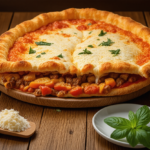
A calzone is essentially a folded pizza—dough folded over fillings, sealed along the edges, and baked until golden and crispy. Its exterior resembles a compact pocket, with fillings that may include cheeses, meats, vegetables, and sauces.
Unlike traditional pizza, which has toppings spread across the surface, calzone encloses its ingredients, creating a portable, self-contained dish. It’s often served with a side of marinara or other dipping sauces, emphasizing its close ties to pizza.
Key Components
- Dough: Soft, elastic, and sturdy enough to hold fillings without tearing.
- Fillings: Varied cheeses (mozzarella, ricotta), cured meats (ham, salami), vegetables (mushrooms, spinach), and herbs.
- Sealing: Crimped edges to prevent fillings from leaking during baking.
Ingredients and Dough Preparation
Basic Ingredients for the Dough
The fundamental component of calzone is its dough. High-quality ingredients ensure a perfect crust. The essential ingredients include:
| Ingredient | Purpose |
|---|---|
| Flour (type 00 or bread flour) | Main structure; gluten development |
| Water | Hydrates flour, activates gluten |
| Yeast (active dry or fresh) | Leavens the dough, making it airy |
| Salt | Flavor enhancement, gluten strengthening |
| Olive oil | Adds richness, improves elasticity |
| Sugar (optional) | Feeds yeast, adds slight sweetness |
Preparing the Dough
1. **Activate Yeast:** Dissolve yeast and a pinch of sugar in warm water (around 37°C) and let sit until foamy, about 5-10 minutes.
2. **Mix Ingredients:** In a large bowl, combine flour and salt. Make a well in the center, pour in activated yeast mixture and olive oil.
3. **Kneading:** Mix all ingredients until a cohesive dough forms. Knead on a floured surface for at least 10 minutes until smooth and elastic.
4. **Fermentation:** Place dough in a greased bowl, cover with a damp cloth, and let rise in a warm place for 1.5-2 hours until doubled in size.
5. **Divide and Roll:** Punch down the dough, divide into portions, and roll out into circles of about 20-25 cm diameter for each calzone.
Classic Calzone Recipe
Ingredients:
- 500 g high-quality pizza dough
- 200 g mozzarella cheese, shredded
- 100 g ricotta cheese
- 150 g cooked ham or salami, sliced
- 1 egg (for sealing)
- Tomato sauce or marinara for dipping
- Fresh basil, salt, pepper to taste
Preparation Steps:
- Preheat Oven: To 220°C (430°F). Line a baking sheet with parchment paper.
- Prepare Fillings: Mix mozzarella, ricotta, salt, pepper, and basil in a bowl. Prepare sliced meats.
- Assemble Calzone: Place a dough circle on a floured surface. Spread a thin layer of tomato sauce in the center, leaving a border around the edges. Spread cheese mixture over the sauce, add slices of ham or salami.
- Seal: Fold the dough in half to cover fillings. Pinch and crimp the edges firmly to seal completely.
- Egg Wash: Beat the egg and brush it onto the top of the calzone for a shiny, golden finish.
- Baking: Transfer to the baking sheet. Bake for 15-20 minutes or until crust is golden brown and crispy.
Popular Variations of Calzone
Regional and Ingredient-Based Variations
Calzone is incredibly versatile, with numerous regional and personalized variations across Italy and beyond. Here are some noteworthy types:
Neapolitan Calzone
– Filled primarily with mozzarella, tomato sauce, and ham or salami.
– Characterized by a slightly thinner crust.
Sicilian Calzone
– Typically includes ingredients like eggplant, olives, and anchovies.
– May incorporate regional cheeses like pecorino.
Vegetarian Calzone
– Filled with mushrooms, spinach, zucchini, and cheeses.
– Suitable for those avoiding meat.
Seafood Calzone
– Incorporates shrimp, tuna, or clams with herbs and cheeses.
– Often combined with a garlic or tomato sauce.
Specialty Calzones
– Some recipes include spicy salami, or even exotic ingredients like goat cheese and roasted peppers.
– Dessert calzone, filled with Nutella, fruits, or sweet cheeses.
Cooking Methods
Baking
– The most traditional method.
– Usually baked in a hot oven at 220-250°C.
– Achieves a crispy crust and evenly cooked fillings.
Frying
– Deep-fried calzones are a variation, especially popular in North America.
– Results in a crunchy exterior with warm, gooey fillings.
Grilling
– Calzones can be cooked on a pizza stone or grill, adding a smoky flavor.
– Requires careful handling to prevent burning.
Calzone vs. Traditional Pizza
Differences and Similarities
| Feature | Calzone | Traditional Pizza |
|—|—|—|
| Shape | Folded pocket | Flat, circular or rectangular |
| Handling | Enclosed, portable | Open surface |
| Ingredients | Enclosed fillings, more cheese | Spread toppings |
| Cooking | Baking or frying | Baking in oven or pizza oven |
| Served with | Dipping sauces | Usually with side salads or drinks |
**In essence**, calzone offers a more portable, packaged experience, ideal for on-the-go eating, while pizza remains a social, shared dish served openly.
Cultural Significance and Modern Trends
Italy’s Culinary Heritage
Calzone holds a cherished place in Italian culinary tradition, embodying the Italian principles of simplicity, flavor, and practicality. It symbolizes a hearty and satisfying meal that’s easy to prepare, transport, and enjoy anywhere.
Global Popularity
The spread of Italian cuisine worldwide has made calzone a popular dish in pizzerias and fast-food establishments. Its adaptability allows for innovative fillings—vegetarian, vegan, or gluten-free options—suiting modern dietary preferences.
Contemporary Innovations
– Use of gluten-free or whole grain doughs
– Incorporation of local and seasonal ingredients
– Fusion calzones with international flavors, such as spicy Thai or Mexican fillings
Health Trends
Health-conscious consumers seek versions with less cheese, baked instead of fried, or filled with nutrient-dense ingredients. Calzone remains a flexible platform for culinary imagination while maintaining its traditional roots.
Calzone, the folded pizza from Italy, exemplifies the country’s rich culinary tradition and innovative spirit. Its combination of crispy crust and flavorful fillings makes it a universally beloved dish, adaptable to various tastes and dietary preferences. Whether baked in a traditional oven, fried for extra crunch, or creatively filled with exotic ingredients, calzone continues to inspire cooks and food enthusiasts around the world.
By understanding its history, ingredients, and preparation techniques, anyone can craft delicious calzones that bring a taste of Italy into their own kitchen. This versatile dish not only satisfies hunger but also celebrates Italian culture and culinary artistry through each bite.
Похожие записи:
 Sicilian Pizza: A Delicious Dive into Thick, Square Slices and Its Rich History
  Margarita Pizza: Italy’s Timeless Classic
  New York-Style Thin Crust Pizza: The Iconic Street Food of the Big Apple
  Neapolitan Pizza: The Art of Authentic Preparation
  Chicago Deep-Dish Pizza and Its Hearty Layers: A Delicious Journey into Its Unique Structure