
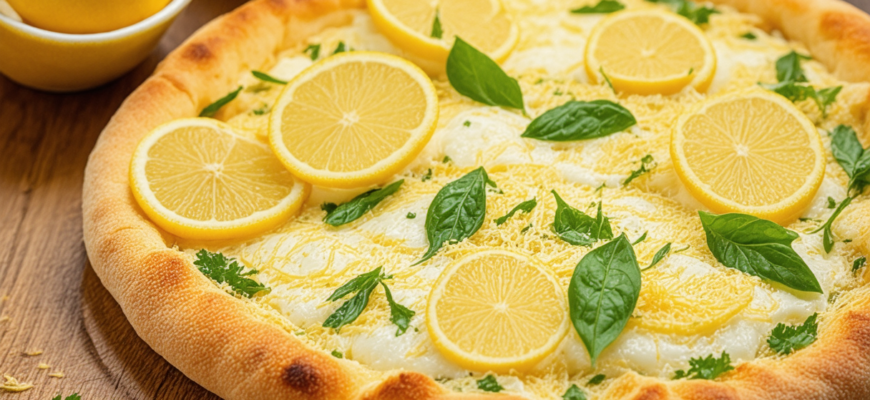
Pizzas have evolved far beyond their traditional origins, transforming into a versatile culinary canvas capable of accommodating a vast array of flavors and ingredients. While classic toppings like pepperoni, mushrooms, and olives remain popular, contemporary chefs and home cooks alike are exploring innovative combinations that challenge the palate and elevate the pizza experience. One such combination is the addition of lemon zest, mozzarella, and fresh herbs—a trio that infuses the dish with a bright, citrusy zest that awakens the senses. This article delves into the origins, culinary applications, and preparation methods of this unique flavor pairing, highlighting how these ingredients combine to produce a refreshing twist on traditional pizza.
- The Evolution of Pizza: A Historical Perspective
- Origins of Pizza
- Global Variations and Innovative Flavors
- The Magic of Lemon Zest: Adding Brightness and Complexity
- The Botanical and Culinary Significance of Lemon Zest
- Health Benefits of Lemon Zest
- Mozzarella: The Heart of Classic and Modern Pizzas
- Historical Background of Mozzarella
- Types of Mozzarella Used in Pizzas
- Fresh Herbs: The Aromatic Finishing Touch
- Popular Herbs for Pizza
- Benefits of Using Fresh Herbs
- The Perfect Pizza Recipe with Lemon Zest, Mozzarella, and Herbs
- Ingredients Needed
- Preparation Steps
- 1. Preparing the Dough
- 2. Pre-baking or Direct Toping
- 3. Applying the Toppings
- 4. Baking the Pizza
- 5. Serving and Garnishing
- Flavor Combinations and Variations
- Innovative Ideas for Incorporating Lemon Zest and Herbs
- Pairing Beverages with Citrus-Infused Pizzas
- Health and Dietary Considerations
- Nutritional Benefits
- Adapting for Dietary Restrictions
- The Art and Science of Perfecting Citrus-Infused Pizzas
- Tips for Achieving Optimal Flavor
- Understanding the Chemistry
- References
The Evolution of Pizza: A Historical Perspective
Origins of Pizza
Pizza’s roots trace back to ancient civilizations such as the Egyptians, Persians, and Romans, who prepared flatbreads topped with various ingredients. However, the modern pizza as we know it originated in Naples, Italy, in the 18th century. Initially a humble dish for the working class, pizza gained international popularity in the 20th century, adopting numerous regional variations and toppings.
Global Variations and Innovative Flavors
Over the decades, pizza has transformed from a simple bread-based dish into a global culinary phenomenon. Different regions have introduced unique toppings, sauces, and dough styles, reflecting local tastes and ingredients. From the deep-dish style of Chicago to the thin, crispy crusts of New York, the possibilities are endless. The recent trend toward gourmet and artisanal pizzas often features unexpected ingredients such as figs, prosciutto, goat cheese, and in recent years, citrus flavors combined with fresh herbs.
The Magic of Lemon Zest: Adding Brightness and Complexity
The Botanical and Culinary Significance of Lemon Zest
Lemon zest is the outermost layer of the lemon peel, rich in essential oils that impart a vibrant citrus aroma and flavor. Its role in culinary arts extends beyond simply adding tang; lemon zest introduces a complex, aromatic brightness that enhances both savory and sweet dishes. In the context of pizza, lemon zest bridges the richness of cheese and meats, cutting through heaviness and refreshing the palate.
Health Benefits of Lemon Zest
- Rich in antioxidants: Lemon zest contains flavonoids and vitamin C, which bolster the immune system.
- Supports digestion: Compounds in lemon zest can aid in digestion and reduce bloating.
- Anti-inflammatory properties: The bioactive compounds can help modulate inflammation.
Mozzarella: The Heart of Classic and Modern Pizzas
Historical Background of Mozzarella
Mozzarella cheese, traditionally made from the milk of water buffalo in Italy, has become synonymous with authentic Italian pizza. The cheese’s meltability, mild flavor, and creamy texture make it ideal for achieving the iconic gooey and stringy look of pizza. Modern variations include cow’s milk mozzarella, firmer types for slicing, and smoked options for added depth.
Types of Mozzarella Used in Pizzas
| Type | Description | Best Use |
|---|---|---|
| Fresh Mozzarella | Soft, moist, with high moisture content | Neapolitan-style pizza, Caprese |
| Low-moisture Mozzarella | firmer, less watery | New York-style pizza, baking at high temperatures |
| Smoked Mozzarella | Infused with smoky flavor | Gourmet pizzas with robust flavors |
Fresh Herbs: The Aromatic Finishing Touch
Popular Herbs for Pizza
- Basil: Adds aromatic sweetness, classic in Margherita pizza.
- Parsley: Fresh and slightly peppery, enhances brightness.
- Oregano: Strong, earthy flavor typical of pizza seasonings.
- Thyme: Earthy, slightly minty notes that complement citrus flavors.
Benefits of Using Fresh Herbs
- Flavor enhancement: Fresh herbs add depth and complexity.
- Visual appeal: Vibrant greens make the dish more appetizing.
- Health advantages: Rich in antioxidants and essential oils.
The Perfect Pizza Recipe with Lemon Zest, Mozzarella, and Herbs
Ingredients Needed
- Pizza dough (homemade or store-bought)
- 200 grams fresh mozzarella cheese, sliced or torn
- 2 tablespoons lemon zest (about 1 large lemon)
- Fresh herbs (basil, parsley, oregano, thyme)
- 3 tablespoons olive oil
- Salt and freshly ground black pepper to taste
- Optional: Thinly sliced lemon for garnish
Preparation Steps
1. Preparing the Dough
Start with a quality pizza dough. If using store-bought, let it rest at room temperature for about 15 minutes. For homemade dough, prepare and let it rise accordingly. Stretch or roll the dough into your desired thickness, typically around 12 inches in diameter for a standard pizza.
2. Pre-baking or Direct Toping
Preheat the oven to at least 250°C (482°F). If your oven has a pizza stone, place it in the oven during preheating. You can pre-bake the crust for 5-7 minutes to ensure a crispy base or proceed directly to topping if your crust is already baked or tender.
3. Applying the Toppings
- Lightly brush the dough with olive oil.
- Spread slices or chunks of mozzarella evenly across the surface.
- Zest the lemon directly over the cheese and crust, ensuring the flavorful outer peel is preserved.
- Chop fresh herbs and sprinkle generously over the toppings.
- Finish with a drizzle of olive oil, salt, and pepper.
4. Baking the Pizza
Bake the pizza in the preheated oven for 10-12 minutes, or until the crust is golden and cheese is bubbling. For a crispier crust, use a pizza stone and bake at high temperature. For an added citrusy aroma, consider placing some thin lemon slices on top in the last few minutes of baking.
5. Serving and Garnishing
Once out of the oven, garnish with additional fresh herbs if desired. For a final touch, sprinkle a little more lemon zest or place thin slices of lemon on the pizza. Serve immediately to enjoy the harmonious blend of citrus, herbs, and melted cheese.
Flavor Combinations and Variations
Innovative Ideas for Incorporating Lemon Zest and Herbs
- Seafood Pizza: Combine with shrimp or anchovies, lemon zest, and herbs for a Mediterranean twist.
- Vegetarian Version: Add grilled vegetables like zucchini, bell peppers, and cherry tomatoes with lemon and herbs.
- Meat-Lover’s Variation: Incorporate slices of chicken breast or prosciutto alongside lemon zest to balance richness with citrus freshness.
Pairing Beverages with Citrus-Infused Pizzas
Complement this citrusy pizza with beverages that enhance its flavor profile:
- Light white wines such as Sauvignon Blanc or Pinot Grigio
- Refreshing sparkling water infused with lemon or herbs
- Crisp craft beers or light lagers
Health and Dietary Considerations
Nutritional Benefits
The combination of lemon zest, mozzarella, and herbs in pizza not only delivers a complex flavor profile but also provides nutritional benefits. Lemon zest offers antioxidants and a boost of vitamin C, while fresh herbs contribute vitamins A, C, and K. Mozzarella adds protein and calcium, making this pizza a relatively balanced indulgence.
Adapting for Dietary Restrictions
- Vegan: Use plant-based cheese alternatives and omit animal-derived ingredients.
- Lactose intolerant: Opt for lactose-free mozzarella options.
- Low-calorie: Use thin crusts, reduced cheese, and maximize fresh herbs and citrus.
The Art and Science of Perfecting Citrus-Infused Pizzas
Tips for Achieving Optimal Flavor
- Use fresh ingredients: The aroma and flavor of fresh herbs and lemon zest are most potent when fresh.
- Balance the flavors: Too much lemon zest can overpower, so add gradually and taste.
- Experiment with herbs: Combine different herbs to find your preferred aroma profile.
Understanding the Chemistry
The essential oils in lemon zest contain limonene, which contributes to the citrus aroma and flavor. When baked, these oils are released, permeating the pizza with a fresh, zesty scent. The meltiness of mozzarella complements the aromatic oils, creating a harmonious sensory experience. The fresh herbs provide volatile compounds that enhance flavor complexity and visual appeal.
The creative inclusion of lemon zest, mozzarella, and fresh herbs in pizza recipes exemplifies the art of culinary innovation. This combination offers a bright, refreshing counterpoint to traditional savory flavors, making it suitable for those seeking lighter, more vibrant dishes. Whether served as a gourmet appetizer or a main course, such a pizza elevates the dining experience by seamlessly blending citrus accents with creamy cheese and aromatic herbs. As the culinary landscape continues to evolve, embracing these innovative flavor pairings can inspire home cooks and professional chefs to push boundaries and craft unforgettable dishes that cater to every taste and occasion.
References
- Italian culinary history sources and references on pizza origins
- Food chemistry textbooks explaining essential oils and flavor compounds
- Nutritional data sheets for lemon zest, mozzarella, and herbs
Похожие записи:
 California-Inspired Pizzas: Fresh Avocado, Sprouts, and Lemon Zest for Every Taste
  Using Herbs and Basil for a Fresh Topping Finish: Transforming Your Pizza
  Classic Pepperoni Pizza with Fresh Sliced Peppers and Oregano: A Delicious Classic with a Fresh Twist
  Pear, Prosciutto, and Gorgonzola: A Gourmet Flavor Profile for Sophisticated Pizzas
  Albanian Flia with Layered Fillings: A Delicious Twist on Traditional Pizzas
  Lebanese Manakish with Za’atar and Cheese: A Delicious Twist on Traditional Pizzas
  Scandinavian Rye-Based Flatbread Pizzas: A Delicious Twist on Traditional Pizza
 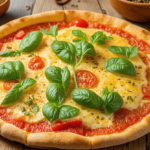 Unlocking Flavor: The Art of Incorporating Herbs and Spices into Pizza for a Burst of Taste
 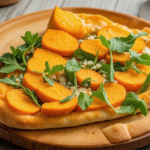 Sweet Potato Slices, Arugula, and Blue Cheese for a Sophisticated Bite: Elevating Pizza Toppings to Gourmet Levels
 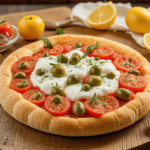 Maltese Ftira with Local Flavors: A Delicious Twist on Traditional Pizza
  The Emergence of Gourmet and Artisanal Pizza Chefs: Redefining a Classic Cuisine
 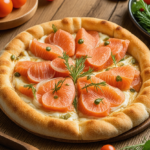 Swedish Spritz with Its Thin Crust and Savory Toppings: A Delicious Twist in Pizza Styles
  Using a Grill to Achieve Smoky-Flavored Pizzas: The Ultimate Guide for Pizza Enthusiasts
  Finnish Karjalanpiirakka with Its Regional Twist: A Delicious Journey Through History and Variations
  Creating Flavorful and Colorful Veggie-Based Pizzas: A Guide to Delicious, Healthy, and Vibrant Pies
  Mastering the Art of Stuffed Crusts: Techniques for Making Delicious Pizzas at Home