
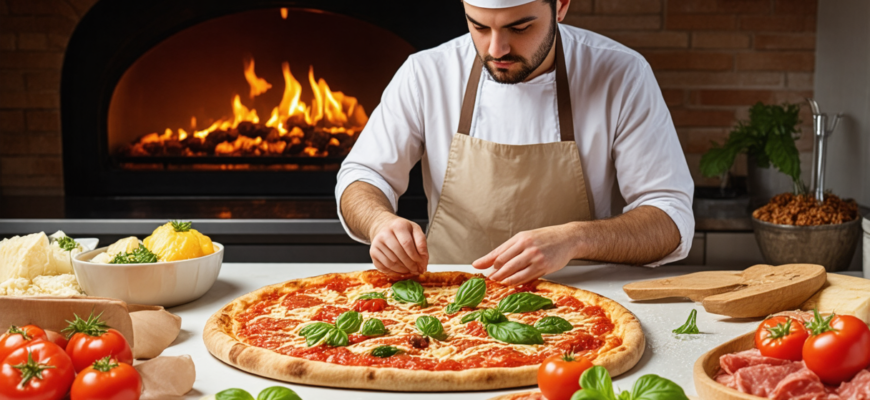
Pizza, one of the most beloved and versatile dishes worldwide, has seen a remarkable transformation over the past few decades. Historically rooted in humble beginnings in Italy, particularly in Naples, pizza has evolved into a high art form, thanks in large part to the rise of gourmet and artisanal pizza chefs. These culinary innovators have elevated pizza from fast food to gourmet cuisine, blending tradition with creativity and pushing the boundaries of flavor, presentation, and technique.
- The Historical Evolution of Pizza
- Origins and Traditional Pizza
- Global Spread and Commercialization
- The Rise of Gourmet and Artisanal Pizza
- Defining Features of Gourmet and Artisanal Pizza
- Key Differences Between Gourmet/Artisanal and Standard Pizzas
- Profiles of Pioneering Gourmet and Artisanal Pizza Chefs
- Renowned Chefs Who Revolutionized Pizza
- Ingredients That Define Gourmet and Artisanal Pizzas
- Specialty Flours and Doughs
- Cheese Varieties
- Unconventional Toppings and Sauces
- Preparation Techniques of Gourmet and Artisanal Pizzas
- Handmade Dough and Fermentation
- Wood-Fired and Specialized Ovens
- Innovative Cooking Methods
- The Impact of Gourmet and Artisanal Pizza Movement
- Market Trends and Consumer Preferences
- Economic and Cultural Significance
- Recipes: How to Prepare Gourmet Pizza at Home
- Classic Margherita with a Modern Twist
- Innovative Recipe: Fig, Prosciutto, and Gorgonzola Pizza
- Challenges and Future of Gourmet Pizza
- Maintaining Authenticity vs. Innovation
- Environmental Sustainability
- Emerging Trends
- References and Further Reading
- About the Author
The Historical Evolution of Pizza
Origins and Traditional Pizza
The journey of pizza begins in ancient civilizations, where flatbreads topped with herbs and scant ingredients served as nourishment for laborers. However, modern pizza, as we understand it today, originated in Naples, Italy, in the 18th or early 19th century. Traditional Neapolitan pizza features simple ingredients: a thin, chewy dough, fresh tomato sauce, mozzarella cheese, and basil, baked quickly in a wood-fired oven.
Global Spread and Commercialization
Post-World War II, pizza spread rapidly across the United States and the rest of the world, becoming a staple fast-food item. Chain restaurants popularized standardized recipes, emphasizing speed and mass production. Yet, alongside this commercial expansion, a counter-movement emerged, seeking to preserve authentic techniques and elevate pizza to a culinary art.
The Rise of Gourmet and Artisanal Pizza
Defining Features of Gourmet and Artisanal Pizza
- Use of High-Quality Ingredients: Artisanal chefs prioritize local, organic, and seasonal ingredients.
- Innovative Flavors and Combinations: Unconventional toppings, sauces, and cheeses create sophisticated flavor profiles.
- Traditional and Modern Techniques: Combining classic methods with contemporary culinary practices.
- Presentation and Aesthetics: Emphasizing visual appeal as an integral part of the dining experience.
Key Differences Between Gourmet/Artisanal and Standard Pizzas
| Aspect | Standard Pizza | Gourmet/Artisanal Pizza |
|---|---|---|
| Ingredients | Processed cheeses, standard toppings | Fresh, high-quality, often rare or exotic ingredients |
| Crust | Mass-produced, uniform, often thick or thin but inconsistent | Hand-crafted, with attention to texture and flavor, e.g., sourdough, wood-fired |
| Preparation Time | Less than 10 minutes | Extended, often involving fermentation, proofing, or special techniques |
| Flavor Profile | Simple, familiar flavors | Complex, layered, with nuanced taste experiences |
| Presentation | Functional, standard size | Artistic, featuring unique styles and garnishments |
Profiles of Pioneering Gourmet and Artisanal Pizza Chefs
Renowned Chefs Who Revolutionized Pizza
- Franco Pepe — Italy’s renowned pizza maker known for his mastery in traditional Neapolitan techniques combined with innovative toppings.
- Chris Bianco — An American chef acclaimed for his artisan approach, using locally sourced ingredients and slow-fermented doughs.
- Gabriele Bonci — Known as Italy’s “Michelin-starred pizzaiolo,” famous for his focaccia and creative toppings.
- Yasu Yanai — Japanese chef redefining pizza with a fusion of Japanese flavors and techniques.
Ingredients That Define Gourmet and Artisanal Pizzas
Specialty Flours and Doughs
The foundation of every perfect artisanal pizza is the dough. Chefs often experiment with different flours such as:
- 00 flour: Fine Italian flour ideal for Neapolitan-style pizza.
- Sourdough starter: Fermentation enhances flavor and digestibility.
- Whole grain and specialty flours: For added nutrition and unique textures.
Dough preparation can involve long fermentation periods, sometimes spanning 24-72 hours, allowing yeast to develop complex flavors and gluten structure.
Cheese Varieties
Gourmet pizzerias opt for authentic cheeses, such as:
- Buffalo mozzarella (Mozzarella di Bufala): Creamy and rich, often sourced locally in Italy.
- Gorgonzola, Roquefort, or other artisan blue cheeses: For bold, pungent notes.
- Cheeses from different regions: Taleggio, Pecorino Romano, or innovative vegan cheeses for dietary preferences.
Unconventional Toppings and Sauces
- Fresh herbs: basil, oregano, thyme
- Exotic vegetables: artichokes, roasted red peppers, heirloom tomatoes
- Meats: prosciutto, select sausages, smoked salmon
- Fruits: figs, pears, even apples for sweet and savory combinations
- Sauces: pesto, béchamel, spicy chili oils, balsamic reductions
Preparation Techniques of Gourmet and Artisanal Pizzas
Handmade Dough and Fermentation
Chefs often create their signature dough recipes, incorporating specific fermentation times to develop flavor complexity. Techniques include:
- Long fermentation at controlled temperatures
- Hydration adjustments for desired crust texture
- Incorporation of sourdough starters or preferments
Wood-Fired and Specialized Ovens
The choice of oven significantly impacts the final product. Many artisans prefer traditional wood-fired ovens, which impart a unique smoky flavor and allow rapid, high-temperature cooking. Alternatives include brick ovens, gas ovens with special chambers, and modern stone hearths.
Innovative Cooking Methods
Some chefs experiment with techniques like:
- Steaming, to alter texture
- Induction heating for precise control
- Use of specialized tools like pizza peels and spinning devices
The Impact of Gourmet and Artisanal Pizza Movement
Market Trends and Consumer Preferences
Modern consumers are increasingly seeking authentic, high-quality food experiences. This demand has driven a surge in gourmet pizzerias, food festivals, and artisan brands. People are willing to pay a premium for quality, craft, and innovative flavors, which has contributed to the growth of this niche industry.
Economic and Cultural Significance
Artisanal pizza chefs have helped preserve traditional techniques, support local agriculture, and innovate culinary arts. Their work fosters cultural exchange, bringing diverse influences into a single dish, fostering local economies, and providing employment opportunities in small-scale establishments.
Recipes: How to Prepare Gourmet Pizza at Home
Classic Margherita with a Modern Twist
- Dough Preparation: Mix 500g of 00 flour with 350ml of water, 10g of salt, 5g of sugar, and a teaspoon of yeast. Knead until smooth, then ferment for 24 hours.
- Sauce: Blend fresh tomatoes with garlic, olive oil, salt, and basil.
- Assembly: Roll out the dough, spread the sauce, add slices of fresh mozzarella, and drape basil leaves.
- Baking: Bake in a preheated oven at 290°C for 90 seconds in a pizza stone or steel.
Innovative Recipe: Fig, Prosciutto, and Gorgonzola Pizza
- Dough: Use the same base as above.
- Sauce: Light spread of fig jam or a thin layer of olive oil.
- Toppings: Sliced fresh figs, prosciutto slices, Gorgonzola crumbles, and arugula.
- Finish: Drizzle with honey after baking, serve immediately.
Challenges and Future of Gourmet Pizza
Maintaining Authenticity vs. Innovation
Balancing tradition with experimentation remains an ongoing challenge for gourmet pizza chefs. While innovation attracts modern audiences, preserving authentic techniques honors heritage and culture.
Environmental Sustainability
Growing awareness of environmental impact influences ingredient sourcing, packaging, and energy use in artisanal pizza production. Chefs increasingly adopt sustainable practices, from using local ingredients to minimizing waste.
Emerging Trends
- Plant-based and vegan options
- Gluten-free and allergen-aware recipes
- Fusion cuisines combining elements from various cultures
- High-tech tools for precise baking and presentation
The rise of gourmet and artisanal pizza chefs signifies a broader trend toward appreciation of craft, quality, and innovation in cuisine. By blending traditional techniques with creative experimentation, these chefs have transformed pizza into a gourmet experience, appealing to a new generation of food enthusiasts. Whether enjoyed at a high-end pizzeria or recreated at home, artisanal pizzas reflect a culinary journey that honors heritage while embracing modernity.
References and Further Reading
- J. L. C. R. et al. (2018). “The Science of Pizza Dough: Fermentation and Texture.” Food Science Journal.
- Smith, A. (2020). “Artisanal Pizza: A New Culinary Movement.” Culinary Arts Magazine.
- Official websites of Franco Pepe, Gabriele Bonci, and other renowned pizzaiolos for insights and techniques.
- Explore regional pizza styles, including New York thin crust, Chicago deep dish, and Sicilian thick crust.
About the Author
This article is written by a culinary content specialist passionate about pizza innovation, traditional recipes, and the evolving culinary arts scene. With extensive experience in food journalism and a deep appreciation for authentic craftsmanship, the author aims to inform and inspire pizza lovers worldwide.
Похожие записи:
 French Pissaladière with Caramelized Onions and Anchovies: A Classic Cuisine Delight
  Calzone: The Folded Pizza from Italy – A Delicious Journey into Italian Cuisine
  Margarita Pizza: Italy’s Timeless Classic
  The Influence of Italian Immigrants on Global Pizza Culture
  The Evolution of New York Thin-Crust Pizza: A Culinary Heritage of Flavor and Tradition
  Swedish Spritz with Its Thin Crust and Savory Toppings: A Delicious Twist in Pizza Styles
  Roman Pizza al Taglio and Its Rectangular Slices: A Deep Dive into Tradition, Technique, and Tastes
  New York-Style Thin Crust Pizza: The Iconic Street Food of the Big Apple
  The Rise of American-Style Pizza in the 20th Century: A Delicious Cultural Transformation
  Croatian Pizza with Mediterranean Influences: A Culinary Journey
  Belgian Tarte Flambée: The Crisp and Delicious Classic
  Discovering Czech Pizza: Delicious Variations and Traditional Toppings
  Neapolitan Pizza: The Art of Authentic Preparation
  Sicilian Pizza: A Delicious Dive into Thick, Square Slices and Its Rich History
  Maltese Ftira with Local Flavors: A Delicious Twist on Traditional Pizza
  Scandinavian Rye-Based Flatbread Pizzas: A Delicious Twist on Traditional Pizza