

The post-war era in the United States marked a period of profound social, economic, and cultural transformation. Among the numerous changes that swept across the nation, one of the most flavorful and lasting was the rapid spread of pizza from a regional Italian delicacy to a staple of American cuisine. This article explores the fascinating journey of pizza’s proliferation during the post-war years, analyzing its historical context, factors contributing to its popularity, regional variations, and lasting impact on American food culture.
- Historical Context: America in the Post-War Years
- Origins of Pizza in America: From Italian Immigrants to Mainstream
- Initial Introduction of Pizza by Italian Immigrants
- The Post-War Expansion of Pizza
- Key Factors Contributing to Pizza’s Popularity During the Post-War Era
- 1. Technological Advancements and Infrastructure Development
- 2. Demographic Changes and Cultural Integration
- 3. Commercialization and Chain Growth
- Regional Variations and Innovations in Post-War America
- New York-Style Pizza
- Chicago-Style Deep Dish
- California-Style Pizza
- Regional Influence and Fusion
- The Societal Impact of Pizza’s Popularization
- Changing Dining Habits
- Influence on American Food Culture
- Economic Impact
- The Lasting Legacy of Post-War Pizza Growth
- Summary Table: Key Milestones in Pizza’s American Expansion
- Further Exploration
Historical Context: America in the Post-War Years
Following the end of World War II in 1945, the United States experienced unprecedented growth. The economy boomed, industrialization accelerated, and suburbanization reshaped the social landscape. The American dream became more accessible for many, leading to increased disposable income and a desire for convenience and new experiences—especially in food. Simultaneously, immigration patterns continued to influence culinary diversity, introducing Americans to international flavors.
This era was characterized by a surge in the popularity of dining out and fast food, driven by technological innovations such as widespread refrigeration, automobiles, and the expansion of highway systems like the Interstate Highway System established in 1956. Consequently, people sought quick, tasty, and affordable meals—an environment ripe for the expansion of pizza’s reach across the country.
Origins of Pizza in America: From Italian Immigrants to Mainstream
Initial Introduction of Pizza by Italian Immigrants
Pizza first arrived in the United States with Italian immigrants in the late 19th and early 20th centuries. Coastal cities like New York, Chicago, and Philadelphia became early hubs, where Italian communities established pizzerias that adapted traditional recipes to American tastes. These establishments primarily served immigrant communities, but as these neighborhoods grew and became more integrated into the broader urban fabric, so did their culinary offerings.
The Post-War Expansion of Pizza
In the immediate post-war years, many returning veterans and new residents were eager to explore new foods. Italian-American pizzerias began to expand beyond ethnic enclaves, appealing to a wider audience. This transition was facilitated by several social factors, including increased mobility, the growth of chain stores, and the rise of television marketing, which played a pivotal role in popularizing pizza nationwide.
Key Factors Contributing to Pizza’s Popularity During the Post-War Era
1. Technological Advancements and Infrastructure Development
- Refrigeration: Allowed for the preservation of ingredients and widespread distribution of toppings and cheese, making pizza more accessible and consistent.
- Automobile Culture: Facilitated home deliveries and dine-in experiences, expanding the reach of pizzerias beyond city centers into suburbs.
- Television: Advertising campaigns promoted pizza as a convenient, modern food, reaching millions across the country.
2. Demographic Changes and Cultural Integration
- Immigration: Continued influx of Italian and other European immigrants enriched the culinary landscape, fostering innovation in pizza styles.
- Suburbanization: Brought diverse populations into new neighborhoods, increasing demand for quick and tasty meals like pizza.
- Young Families and Singles: Sought affordable, easy-to-prepare foods, with pizza fitting perfectly into these needs.
3. Commercialization and Chain Growth
| Major Chain | Year Founded | Distinctive Features |
|---|---|---|
| Pizza Hut | 1958 | Innovative dine-in experience with pizza buffet concept |
| Domino’s | 1960 | Focus on fast delivery and customer convenience |
| Papa John’s | 1984 | Emphasized quality ingredients and straightforward service |
These chains played a crucial role in standardizing pizza recipes, marketing the product across diverse markets, and making pizza a household staple.
Regional Variations and Innovations in Post-War America
New York-Style Pizza
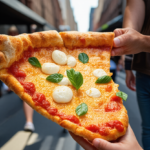
Characterized by its thin, flexible crust, large slices, and toppings suite that reflects the city’s diverse population. This style became emblematic of urban pizza culture, often sold by the slice in pizzerias dotting Manhattan and Brooklyn.
Chicago-Style Deep Dish
Emerging in the 1940s, this unique style features a thick crust, heavy layers of cheese, toppings, and a chunky tomato sauce. It became a symbol of Midwestern culinary indulgence.
California-Style Pizza
Known for its innovative toppings and emphasis on fresh, organic ingredients, California-style pizza began gaining traction during the late 1950s as health-conscious dining gained popularity.
Regional Influence and Fusion
The post-war years also saw the emergence of fusion pizza, blending Italian traditions with American tastes. For example, macaroni and cheese toppings or barbecue chicken became popular in various regions, reflecting local flavors and preferences.
The Societal Impact of Pizza’s Popularization
Changing Dining Habits
Pizza’s convenience transformed American dining patterns. It became the preferred choice for parties, casual gatherings, and even family dinners, often replacing more traditional home-cooked meals in busy households.
Influence on American Food Culture
Pizza became more than just food; it became an icon of youth culture, a symbol of modernity, and a canvas for culinary experimentation. Its adaptability encouraged innovation in fast-food marketing and laid the groundwork for future cuisines’ expansion in the country.
Economic Impact
- Job Creation: The rise of pizzerias created numerous jobs in restaurants, delivery, manufacturing, and marketing sectors.
- Market Growth: Pizza sales contributed significantly to the fast-food industry’s growth, which remains a dominant segment in American retail food sales.
The Lasting Legacy of Post-War Pizza Growth
The post-war era’s dynamic social, technological, and economic environment created an ideal climate for pizza’s explosive growth in the United States. From its humble origins among Italian immigrants to the widespread, diverse styles enjoyed nationwide today, pizza’s journey mirrors America’s own story of innovation, adaptation, and cultural fusion. The era established the foundation for pizza’s status as a beloved culinary mainstay, continuing to evolve with regional flavors, health trends, and technological advancements.
Summary Table: Key Milestones in Pizza’s American Expansion
| Year | Event | Description |
|---|---|---|
| 1930s | Initial popularization | Italian immigrants begin establishing pizzerias in major cities |
| 1945 | End of WWII | Economic boom fuels demand for convenient foods like pizza |
| 1950s | Chain expansion | Major brands like Pizza Hut and Domino’s emerge |
| Late 1950s-1960s | Regional styles develop | Distinct pizza styles like New York, Chicago, and California shape preferences |
| 1980s | Global recognition | Pizza becomes a universal symbol of American fast food culture |
Further Exploration
Understanding pizza’s post-war proliferation provides insights into broader American culinary trends. Innovations in food marketing, regionalism, and adaptation serve as lessons for food entrepreneurs and historians alike. Whether it’s a classic New York slice, a decadent Chicago deep-dish, or a health-conscious California creation, pizza continues to evolve—each style echoing a chapter of its rich history in post-war America.
Похожие записи:
 The Evolution of New York Thin-Crust Pizza: A Culinary Heritage of Flavor and Tradition
  The Fascinating Journey of Pizza Chains and Their Worldwide Growth
  The Rise of American-Style Pizza in the 20th Century: A Delicious Cultural Transformation
  The Influence of Italian Immigrants on Global Pizza Culture
  The Influence of World Cuisines on Pizza Toppings: A Global Culinary Journey
  The Rise of Gluten-Free and Vegan Pizza Options: A Delicious Revolution
  The Significance of Pizza in Pop Culture and Media
  The Role of Local Ingredients in Regional Pizza Recipes: A Culinary Journey Across Cultures
  The Marketing Strategies That Popularized Pizza Worldwide
  The Fascinating History of the First Recorded Pizza Recipe: From Ancient Origins to Modern Delight
  The Emergence of Gourmet and Artisanal Pizza Chefs: Redefining a Classic Cuisine
  The Role of Technology in Pizza Delivery Innovations: Transforming the Culinary Experience
  New York-Style Thin Crust Pizza: The Iconic Street Food of the Big Apple
  Japanese Okonomiyaki with Pizza-Like Toppings: A Fusion of Flavors and Culinary History
  Croatian Pizza with Mediterranean Influences: A Culinary Journey
  The Evolution of Pizza Sauce Recipes Over Time: A Delicious Journey Through History