
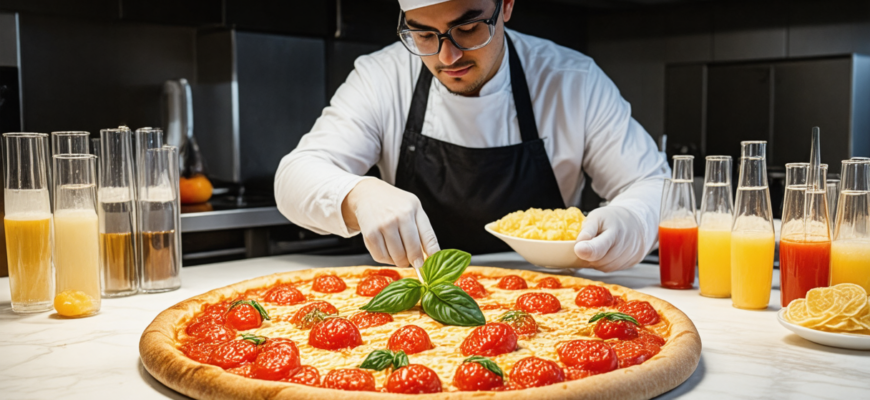
In recent years, culinary innovations have revolutionized traditional dishes, and pizza—a beloved staple worldwide—has not remained untouched by these advancements. Among the most intriguing and transformative movements in contemporary gastronomy is molecular gastronomy. This scientific approach to cooking combines chemistry, physics, and culinary artistry to create unexpected textures, flavors, and presentation styles. This article explores the profound impact of molecular gastronomy on modern pizza designs, ingredients, and techniques, demonstrating how this fusion of science and art is reshaping the way we think about this classic dish.
- What is Molecular Gastronomy?
- Definition and Origins
- Core Principles
- Why Molecular Gastronomy Applies to Pizza
- The Relevance to a Traditional Favorite
- Key Aspects of Integration
- Modern Techniques in Molecular Pizza Creation
- Gelification and Gels
- Spherification
- Foams and Emulsions
- Deconstruction
- Carbonation and Smoke Infusions
- Innovative Modern Pizza Recipes Using Molecular Techniques
- 1. Spherified Caprese Pizza
- 2. Foamed Garlic and Herb Pizza
- 3. Edible Gel Crusts
- 4. Smoked and Carbonated Sauce Toppings
- Impact of Molecular Gastronomy on Pizza Design and Presentation
- Enhanced Aesthetic Appeal
- New Textural Combinations
- Customization and Personalization
- Advantages and Challenges of Molecular Pizza Innovation
- Advantages
- Challenges
- The Future of Molecular Gastronomy in Pizza Art
- Emerging Trends and Technologies
- Potential Impact on the Pizza Industry
- References
- Glossary
- Summary Table of Techniques
What is Molecular Gastronomy?
Definition and Origins
Molecular gastronomy is an innovative culinary discipline focused on understanding and manipulating the physical and chemical transformations that occur during cooking. Pioneered in the late 20th century by scientists and chefs such as Hervé This and Ferran Adrià, this approach seeks to push the boundaries of traditional cooking, resulting in dishes that surprise, delight, and challenge expectations.
Core Principles
- Scientific experimentation: Applying chemistry and physics to understand ingredient properties.
- Novel textures and forms: Creating gels, foams, spheres, and other avant-garde presentations.
- Flavor enhancement: Isolating and intensifying certain tastes using precise techniques.
- Deconstruction: Breaking down classic dishes into their component flavors and reassembling them in new forms.
Why Molecular Gastronomy Applies to Pizza
The Relevance to a Traditional Favorite
While pizza has a rich history rooted in rustic, traditional methods, its adaptability and versatility make it an ideal canvas for molecular innovation. Chefs are experimenting with new ingredients, textures, and presentation styles to elevate the classic pies—creating multisensory experiences and pushing culinary boundaries.
Key Aspects of Integration
- Texture manipulation: Creating unique crusts and toppings through gels and foams.
- Flavor enhancement: Using spherification or encapsulation to intensify flavor delivery.
- Visual appeal: Employing innovative presentation techniques to captivate diners.
- Personalization: Customizing ingredients with precision for diverse taste profiles.
Modern Techniques in Molecular Pizza Creation
Gelification and Gels
Using agents like agar-agar or carrageenan, chefs can transform liquids into gel-like structures that mimic traditional toppings or sauces. For example, tomato sauce can be turned into a firm gel that holds its shape when sliced, providing a different mouthfeel and visual appeal.
Spherification
This technique involves encapsulating liquids—such as olive oil, infused herbs, or cheese—in thin, edible spheres that burst in the mouth, releasing intense flavors. Spherified ingredients can serve as pops of flavor atop a pie or as a decorative element.
Foams and Emulsions
Air-infused foams made from ingredients like basil, garlic, or chili can add aromatic layers, enhancing flavor complexity. These foams are often applied as toppings, providing a light texture contrast to traditional dense ingredients.
Deconstruction
By separating a recipe into its core components, chefs can present familiar flavors in intriguing forms. For example, reconstructing the elements of a Margherita pizza using foam sauces, gelled tomato, and crispy cheese textures offers a new sensory perspective.
Carbonation and Smoke Infusions
Innovations like carbonated sauces or smoked toppings deepen flavor profiles and introduce unexpected sensory experiences, elevating the overall presentation of the pizza.
Innovative Modern Pizza Recipes Using Molecular Techniques
1. Spherified Caprese Pizza
This recipe involves creating basil and balsamic vinegar spheres, along with gelled tomato sauce, layered on a thin crust. The result offers bursts of flavor with each bite, combining the freshness of basil and the tang of balsamic in a novel form.
2. Foamed Garlic and Herb Pizza
Using culinary foam techniques, a fragrant foam of garlic and herbs is spread over the pizza, providing an aromatic experience that complements traditional toppings like cheese and pepperoni.
3. Edible Gel Crusts
Innovative crusts made from transparent, edible gels provide a different structural element compared to traditional dough, offering crispness and aesthetic appeal in futuristic pizza designs.
4. Smoked and Carbonated Sauce Toppings
Infusing sauces with smoke or carbonation adds depth and complexity, making each slice a multi-layered flavor adventure.
Impact of Molecular Gastronomy on Pizza Design and Presentation
Enhanced Aesthetic Appeal
Using techniques such as spheres, gels, and foams, chefs create visually stunning pizzas that resemble artworks rather than just food. This trend appeals to the modern consumer’s desire for experiential dining.
New Textural Combinations
The contrast between crunchy crusts, smooth gels, airy foams, and burst-in-the-mouth spheres provides a multi-sensory experience that excites the palate and promotes exploration.
Customization and Personalization
Molecular techniques enable precise control over flavors and textures, allowing chefs to tailor pizzas to specific dietary preferences, allergies, or flavor intensities, thus expanding accessibility and appeal.
Advantages and Challenges of Molecular Pizza Innovation
Advantages
- Unique dining experiences that attract adventurous consumers.
- Enhanced presentation that elevates the dish aesthetically.
- Opportunities for experimentation and creativity.
- Potential health benefits through controlled ingredient use and reduction of processed elements.
Challenges
- Requires specialized equipment and knowledge, increasing production costs.
- Risk of overcomplicating the dish, potentially alienating traditionalists.
- Limited shelf life of some molecular components, affecting logistics.
- Need for skilled culinary personnel capable of mastering techniques.
The Future of Molecular Gastronomy in Pizza Art
Emerging Trends and Technologies
- Integration of 3D food printing to create complex, layered pizzas.
- Use of edible inks and holographic presentations for immersive experiences.
- Development of biodegradable and sustainable molecular ingredients.
Potential Impact on the Pizza Industry
As consumer tastes shift towards more experiential dining, molecular gastronomy’s influence is likely to grow. Pizzerias—ranging from high-end restaurants to innovative fast-food outlets—will incorporate these techniques to stand out in a competitive market. The blending of science with tradition guarantees a dynamic evolution of pizza, making it not just a comfort food but a canvas for culinary expression.
The influence of molecular gastronomy on modern pizza creations exemplifies the exciting convergence of science and cuisine. Through innovative techniques such as gelification, spherification, foams, and deconstruction, chefs are transforming the familiar into the extraordinary. These advancements are not only elevating the aesthetic and sensory appeal of pizza but also broadening the possibilities for customization, health-consciousness, and sustainable practices. As technology continues to develop, the future of pizza promises ever more inventive and immersive gastronomic experiences, ensuring that this timeless dish remains relevant and fascinating for generations to come.
References
| Source / Authority | Description |
|---|---|
| Hervé This | Founding father of molecular gastronomy, author of numerous scientific culinary studies. |
| Ferran Adrià | Renowned chef known for pioneering techniques in molecular cuisine, including innovative presentations of traditional dishes. |
| Science of Cooking | Comprehensive resource covering chemical and physical processes in culinary techniques. |
| Modernist Cuisine | Leading publication on the science and art of contemporary cooking innovations. |
Glossary
- Spherification: Encapsulation of liquids into spheres using calcium chloride and sodium alginate.
- Gelification: Turning liquids into gels with gelling agents like agar or carrageenan.
- Foam: Light, airy culinary preparation created by whipping or stabilizing air in liquids.
- Deconstruction: Disassembling a traditional dish into its components for re-interpretation.
Summary Table of Techniques
| Technique | Purpose | Common Agents |
|---|---|---|
| Gelification | Create solid-like or semi-solid textures | Agar-agar, carrageenan, gelatin |
| Spherification | Make flavor spheres that burst in the mouth | Calcium chloride, sodium alginate |
| Foams | Introduce aromatic, light textures | Soy lecithin, gelatin |
| Deconstruction | Reimagine traditional dishes innovatively | Various molecular techniques combined |
In conclusion, molecular gastronomy is transforming the world of pizza—opening up innovative frontiers that challenge conventional perceptions while honoring the dish’s rich heritage. This exciting synergy promises to sustain and expand pizza’s global popularity, ensuring it remains a favorite in both traditional and avant-garde culinary landscapes.
Похожие записи:
 The Technological Innovations in Pizza Baking Techniques: Transforming Tradition into Modern Masterpieces
  The Influence of World Cuisines on Pizza Toppings: A Global Culinary Journey
  The Influence of Italian Immigrants on Global Pizza Culture
  The Fascinating History of the First Recorded Pizza Recipe: From Ancient Origins to Modern Delight
  The Emergence of Gourmet and Artisanal Pizza Chefs: Redefining a Classic Cuisine
  The History of Pizza Festivals and Competitions Worldwide
  The Rise of Gluten-Free and Vegan Pizza Options: A Delicious Revolution
  The Cultural Adaptation of Pizza in Different Countries: A Global Culinary Journey
  The Evolution of New York Thin-Crust Pizza: A Culinary Heritage of Flavor and Tradition
  The Journey of Creating Vegan Cheese for Pizza: From Concept to Slice
  The Rise of Healthy and Alternative Pizza Options: A Delicious Revolution
  The Evolution of Pizza Sauce Recipes Over Time: A Delicious Journey Through History
  The Rise of American-Style Pizza in the 20th Century: A Delicious Cultural Transformation
  The Impact of Social Media on Pizza Marketing and Popularity
  The Role of Local Ingredients in Regional Pizza Recipes: A Culinary Journey Across Cultures
  The Marketing Strategies That Popularized Pizza Worldwide