
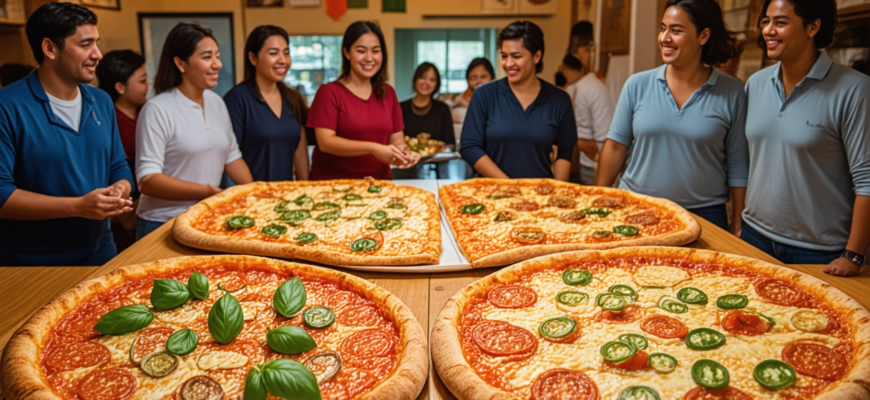
Pizza, originating from Italy, has become one of the most beloved and recognizable dishes worldwide. Its versatility, simplicity, and delicious taste have allowed it to transcend cultural boundaries, undergoing numerous adaptations to suit local palates and traditions. From the classic Neapolitan margherita to the spicy Indian paneer toppings, pizza has evolved into a global canvas of culinary ingenuity. This article explores the fascinating journey of how pizza has been culturally adapted across different countries, examining unique regional variations, ingredients, and traditions that make each style special.
- Historical Origins and Global Spread of Pizza
- The Birthplace of Pizza: Naples, Italy
- World Expansion: How Pizza Conquered the Globe
- Regional Variations of Pizza Around the World
- American Pizzas: A Tale of Diversity and Innovation
- European Adaptations: From Classic to Contemporary
- Asian Innovations: From Sushi Pizzas to Spicy Toppings
- How Local Ingredients Influence Pizza Variations
- The Role of Local Agriculture and Cuisine
- Influence of Climate and Food Availability
- Popular Examples of Culturally Adapted Pizzas
- Margherita Pizza (Italy)
- New York-Style Pizza
- Indian-Style Pizza
- Japan’s Seafood Pizza
- The Impact of Globalization on Pizza Culture
- Commercialization and Fast-Food Chains
- Cultural Identity and Culinary Innovation
- Pizza as a Global Cultural Phenomenon
- Summary Table: Key Features of Popular Global Pizza Variations
- Final Thoughts: A World of Flavors on a Slice
Historical Origins and Global Spread of Pizza
The Birthplace of Pizza: Naples, Italy
Pizza’s roots trace back to ancient civilizations, where flatbreads topped with various ingredients were common. However, modern pizza as we know it emerged from Naples in the 18th and 19th centuries. Originally a humble dish for the working class, it gained popularity due to its affordability and portability. The classic Neapolitan pizza features a thin, soft crust, topped with tomato sauce, mozzarella cheese, basil, and olive oil.
World Expansion: How Pizza Conquered the Globe
In the late 19th and early 20th centuries, Italian immigrants carried their culinary traditions abroad, introducing pizza to new countries. The United States became a primary hub for pizza’s international journey, giving rise to distinct American styles. Over the decades, pizza’s popularity soared as fast-food chains, pizzerias, and gourmet restaurants adopted and adapted the dish to local tastes, leading to a rich array of regional variations across the world.
Regional Variations of Pizza Around the World
American Pizzas: A Tale of Diversity and Innovation
In the United States, pizza has become a cultural phenomenon, with numerous regional styles:
- New York-Style Pizza: Characterized by large, thin, and flexible slices, perfect for folding. Toppings are often simple, such as plain cheese or pepperoni.
- Chicago-Style Deep-Dish Pizza: A thick, pie-like pizza with a buttery crust, loaded with cheese, chunky tomato sauce, and hearty toppings.
- California-Style Pizza: Known for its inventive, farm-to-table toppings, often featuring fresh vegetables, unusual cheeses, and even non-traditional ingredients like chicken or tofu.
European Adaptations: From Classic to Contemporary
Across Europe, pizza styles often combine traditional elements with local flavors:
- Italian Regional Variations
- Neapolitan Pizza: Soft, chewy crust, simple toppings, and baked in wood-fired ovens.
- Roman Pizza: Thinner and crisper base, often served as “pizza al taglio” (by the slice).
- French Pizzas: Incorporate ingredients like duck confit or foie gras, blending Italian techniques with French gastronomy.
- German Pizza (Flammkuchen): Thin crust topped with crème fraîche, onions, and bacon, often mistaken for pizza but differing in dough and toppings.
Asian Innovations: From Sushi Pizzas to Spicy Toppings
In Asian countries, pizza has been boldly adapted to local tastes, often incorporating regional ingredients:
- Japan: Popular for seafood toppings, mayonnaise drizzles, and Teriyaki flavoring. A variety called “Okonomiyaki Pizza” combines Japanese pancake elements with pizza techniques.
- China: Toppings like Peking duck, bok choy, or stir-fried vegetables are common, and dough may differ with thicker or chewier bases.
- India: Known for spicy and vegetarian options, including paneer, curry sauces, and chutneys, reflecting local spices and flavors.
How Local Ingredients Influence Pizza Variations
The Role of Local Agriculture and Cuisine
Regional ingredients significantly shape the character of local pizza adaptations. For instance, in Mexico, fresh jalapeños, cilantro, and chorizo are common toppings, whereas in the Middle East, za’atar spice blends and olives are frequently used. This embracing of local produce and culinary traditions ensures that each variation reflects the tastes and culture of its region.
Influence of Climate and Food Availability
In colder regions, hearty, dense, and highly filling pizzas are preferred, often with more cheese and meat. Conversely, in warmer climates, lighter, vegetable-heavy, or seafood pizzas are more prevalent. The availability of ingredients also affects toppings choices, leading to further diversification in global recipes.
Popular Examples of Culturally Adapted Pizzas
Margherita Pizza (Italy)
| Ingredients | Description |
|---|---|
| Tomato sauce, mozzarella, basil | Pure embodiment of Italian simplicity and flavor |
New York-Style Pizza
| Ingredients | Description |
|---|---|
| Thin crust, tomato sauce, mozzarella, pepperoni, herbs | Easy to fold, designed for on-the-go eating |
Indian-Style Pizza
| Ingredients | Description |
|---|---|
| Spicy tomato sauce, paneer, bell peppers, onions, chaat masala | Spicy, vegetarian, infused with Indian spices and flavors |
Japan’s Seafood Pizza
| Ingredients | Description |
|---|---|
| Sushi-grade fish, mayonnaise, scallions, nori flakes | Fusion of Japanese cuisine with Western pizza tradition |
The Impact of Globalization on Pizza Culture
Commercialization and Fast-Food Chains
Global franchises like Domino’s, Pizza Hut, and Papa John’s have standardized certain styles, but they also introduce local flavors to appeal to regional tastes. This process helps spread regional adaptations worldwide, creating a dynamic fusion of traditions.
Cultural Identity and Culinary Innovation
Pizza serves as a canvas for cultural expression, allowing regions to showcase their ingredients and culinary philosophies. Some countries have even developed entirely new pizza styles that are now part of their national cuisine, like South Korea’s bulgogi pizza or Brazil’s pizza com catupiry (a soft cheese). These innovations reflect a blending of tradition and modernity, fostering cultural pride through food.
Pizza as a Global Cultural Phenomenon
The journey of pizza from a humble Italian street food to a global culinary icon underscores its remarkable adaptability. Each country’s version of pizza tells a story about local ingredients, tastes, and cultural influences. Whether it’s topped with pepperoni, paneer, seafood, or exotic spices, pizza remains a versatile dish that unites diverse cultures through shared love of flavors and community traditions. Its ability to evolve while respecting its roots ensures that pizza will continue to be a cherished part of global cuisine for generations to come.
Summary Table: Key Features of Popular Global Pizza Variations
| Country/Region | Signature Style | Typical Toppings/Ingredients | Crust Type |
|---|---|---|---|
| Italy (Neapolitan) | Traditional, Authentic | Tomato, mozzarella, basil | Soft, chewy, wood-fired |
| USA (New York) | Hand-tossed, Foldable | Cheese, pepperoni, simple toppings | Thin, flexible |
| India | Spicy Vegetarian | Paneer, curry, spices | Variation: thick or thin crust |
| Japan | Seafood & Fusion | Sushi-grade fish, mayo, scallions | Varies, often thin crust |
| Mexico | Bold & Spicy | Jalapeños, chorizo, cilantro | Wider, softer crust |
Final Thoughts: A World of Flavors on a Slice
Pizza’s global adaptations exemplify how a simple dish can serve as a platform for creativity and cultural expression. Each variation offers a window into local flavors, ingredients, and culinary traditions, transforming a common food into a rich tapestry of regional identities. As globalization continues to facilitate cross-cultural exchanges, the evolution of pizza is likely to accelerate, inviting more innovative and exciting variations in the future. For food lovers, exploring these diverse styles is not only a delicious adventure but also a journey into understanding the cultural fabric of different nations through their culinary artistry.
Похожие записи:
 The Influence of World Cuisines on Pizza Toppings: A Global Culinary Journey
  The Rise of American-Style Pizza in the 20th Century: A Delicious Cultural Transformation
  The Role of Local Ingredients in Regional Pizza Recipes: A Culinary Journey Across Cultures
  The Influence of Italian Immigrants on Global Pizza Culture
  Croatian Pizza with Mediterranean Influences: A Culinary Journey
  The Evolution of New York Thin-Crust Pizza: A Culinary Heritage of Flavor and Tradition
  The History and Evolution of Pizza Delivery Services: From Local Pizzerias to Global Giants
  Discovering Azerbaijani Khachapuri Variations: A Regional Culinary Journey
  The Spread of Pizza in the United States During the Post-War Era: A Culinary Revolution
  The Fascinating Journey of Pizza Chains and Their Worldwide Growth
  The Evolution of Pizza Sauce Recipes Over Time: A Delicious Journey Through History
  The Journey of Creating Vegan Cheese for Pizza: From Concept to Slice
  Japanese Okonomiyaki with Pizza-Like Toppings: A Fusion of Flavors and Culinary History
  Calzone: The Folded Pizza from Italy – A Delicious Journey into Italian Cuisine
  The Role of Technology in Pizza Delivery Innovations: Transforming the Culinary Experience
  Mexican Tlayuda and Its Rustic Toppings: A Deep Dive into a Unique Culinary Tradition