
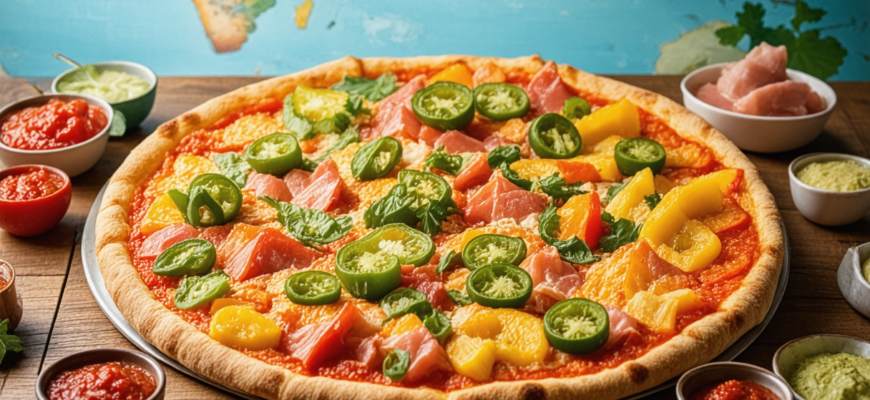
Pizza, one of the most beloved and versatile dishes worldwide, has undergone a remarkable transformation since its origins in Italy. Today, it’s not merely a traditional Italian pie, but a global canvas that reflects the rich tapestry of culinary influences from all corners of the Earth. This article explores how various world cuisines have shaped the toppings of pizza, creating a fascinating fusion of flavors and textures that cater to diverse tastes and cultural preferences.
Throughout history, food has been a reflection of cultural exchange, trade, and adaptation. Pizza, originating from Naples, Italy, initially featured simple ingredients like tomato, mozzarella, basil, and olive oil. However, as it traveled across continents, local ingredients and culinary traditions began to influence its toppings, resulting in an array of regional variations. Today, pizza serves as a culinary chameleon, incorporating flavors from Asian, Middle Eastern, Latin American, and other cuisines to appeal to a broad spectrum of palates.
- Historical Evolution of Pizza Toppings
- The origins of classic Italian pizza
- Global diffusion and regional adaptations
- The Influence of World Cuisines on Pizza Toppings
- European Inspirations
- Asian Influences
- Middle Eastern and North African Flavors
- Latin American Contributions
- Popular International Pizza Toppings and Their Cultural Significance
- Modern Trends: Fusion and Creativity in Pizza Toppings
- How to Integrate World Flavors into Homemade Pizza
- Ingredient Selection
- Preparing Global-Inspired Toppings
- Combination Tips
- References
Historical Evolution of Pizza Toppings
The origins of classic Italian pizza
Traditional Italian pizza was characterized by modest, high-quality ingredients reflecting local agricultural produce. In Naples, the classic Margherita with tomatoes, mozzarella, and basil symbolizes the Italian flag and local culinary identity. Over the centuries, toppings were primarily limited to simple, fresh ingredients.
Global diffusion and regional adaptations
As Italian immigrants and global travelers introduced pizza to new regions, it evolved by incorporating local flavors. This adaptation process was driven by cultural preferences, ingredient availability, and culinary creativity, leading to the diverse range of toppings seen today.
The Influence of World Cuisines on Pizza Toppings
European Inspirations
European countries, especially those bordering Italy, contributed their local ingredients to the pizza palette:
- Spain: Chorizo, saffron, olives, and peppers create bold flavors reminiscent of Spanish cuisine.
- France: Herbs de Provence, goat cheese, and sundried tomatoes add a refined, aromatic touch.
Asian Influences
Asian culinary traditions have had a significant impact on modern pizza toppings, blending sweet, sour, spicy, and umami flavors:
| Ingredient | Origin Cuisine | Description |
|---|---|---|
| Teriyaki Chicken | Japanese | Marinated, grilled chicken with sweet soy sauce |
| Sweet Corn | Japanese/Chinese | Sweet, creamy kernels added for texture and flavor |
| Sriracha | Thai | Spicy chili sauce used as a topping or drizzle |
| Kimchi | Korean | Fermented spicy cabbage for a tangy punch |
Middle Eastern and North African Flavors
Cuisines from these regions have enriched pizza with bold spices and distinctive ingredients:
- Falafel crumbles: Added for a plant-based protein
- Hummus: Used as a base or spread for creaminess
- Za’atar: Aromatic spice blend sprinkled on top
- Olives and pickles: Contribute salty and tangy notes
Latin American Contributions
Latin American countries have introduced vibrant, spicy, and flavorful toppings:
- Pico de gallo: Fresh tomato, onion, cilantro, and lime
- Chili peppers: Jalapeños, habaneros for heat
- Sweet plantains: Adds sweetness and texture contrast
Popular International Pizza Toppings and Their Cultural Significance
| Topping | Origin Culture | Significance and Flavor Profile |
|---|---|---|
| Pesto | Italy (Liguria) | Herbaceous, nutty, and fresh, often paired with seafood or chicken |
| BBQ Chicken | United States (Southern BBQ traditions) | Sweet and smoky flavor, popular in fusion styles |
| Açai and Exotic Fruits | South America | Sweet, tart, and refreshing, used in dessert pizzas |
| Katsu Curry | Japan | Deep-fried breaded cutlets with curry sauce for rich, savory topping |
Modern Trends: Fusion and Creativity in Pizza Toppings
With globalization and the growing culinary curiosity, chefs and home cooks experiment with unconventional toppings, creating new pizza genres:
- Sushi Pizza: Sushi ingredients like raw fish, wasabi, and soy sauce on a crispy crust
- Vegan and Plant-Based: Tofu, tempeh, vegetables, and plant-based cheeses
- Fusion Toppings: Combining elements like Mexican tacos or Indian curries into pizza formats
How to Integrate World Flavors into Homemade Pizza
Ingredient Selection
Understanding regional ingredients is key to recreating authentic flavors. Consider sourcing spices, sauces, and unique toppings from specialty stores or online outlets.
Preparing Global-Inspired Toppings
- Marinate proteins like chicken or beef with Asian sauces
- Use Middle Eastern spices such as za’atar or sumac for sprinkling
- Incorporate fresh fruits and vegetables typical of Latin America or Asia
Combination Tips
- Balance flavor profiles—combine spicy with sweet or creamy with crunchy
- Layer toppings thoughtfully to ensure even cooking and flavor dispersal
- Experiment with sauces and cheeses to complement regional ingredients
The evolution of pizza toppings from traditional Italian ingredients to a global medley exemplifies the dynamic nature of culinary culture. Each region’s influence adds unique flavors, textures, and stories to the humble pizza, transforming it from a simple dish into an international culinary masterpiece. Exploring these diverse toppings offers not only a delicious experience but also a window into the rich cultural tapestry that shapes our shared food heritage.
References
- International Culinary Traditions and Influences
- Global Food Trends and Fusion Cuisine Reports
- Historical Studies on the Spread of Pizza
Похожие записи:
 The Influence of Italian Immigrants on Global Pizza Culture
  Japanese Okonomiyaki with Pizza-Like Toppings: A Fusion of Flavors and Culinary History
  Croatian Pizza with Mediterranean Influences: A Culinary Journey
  Mexican Tlayuda and Its Rustic Toppings: A Deep Dive into a Unique Culinary Tradition
  Discovering Czech Pizza: Delicious Variations and Traditional Toppings
  The Evolution of New York Thin-Crust Pizza: A Culinary Heritage of Flavor and Tradition
  Discovering Azerbaijani Khachapuri Variations: A Regional Culinary Journey
  Calzone: The Folded Pizza from Italy – A Delicious Journey into Italian Cuisine
  South African Queen Pizza with Local Flavors: A Tasty Fusion of Tradition and Innovation
  Swedish Spritz with Its Thin Crust and Savory Toppings: A Delicious Twist in Pizza Styles
  The Emergence of Gourmet and Artisanal Pizza Chefs: Redefining a Classic Cuisine
  The Rise of American-Style Pizza in the 20th Century: A Delicious Cultural Transformation
  Brazilian Pizza with Unique Tropical Ingredients: A Delicious Fusion of Flavors
  The Role of Technology in Pizza Delivery Innovations: Transforming the Culinary Experience
  Discover the Bold Flavors of Serbian Pizza with Spicy Sausage and Peppers
  Finnish Karjalanpiirakka with Its Regional Twist: A Delicious Journey Through History and Variations