
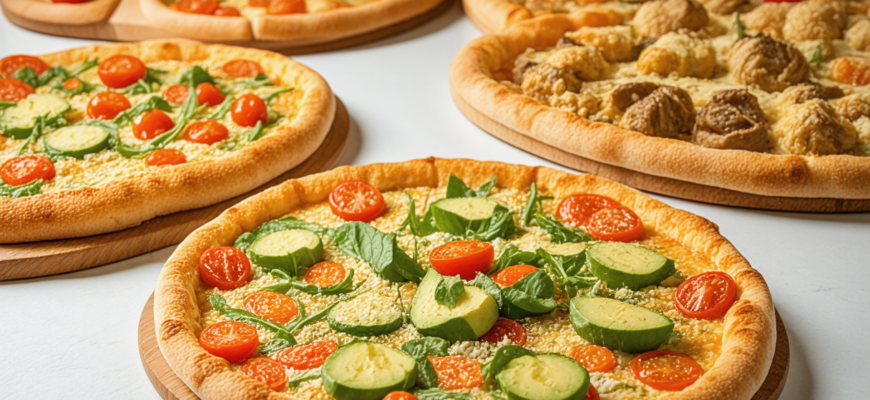
Pizza, a beloved dish originating from Italy, has long been associated with cheesy indulgence, rich sauces, and a variety of toppings that cater to virtually every craving. Over the decades, this comfort food has evolved significantly, reflecting changing tastes, health awareness, and culinary innovations. Today, the pizza industry is witnessing an exciting shift towards healthier and alternative options that accommodate dietary restrictions, ethical considerations, and a growing desire for nutritious yet flavorful meals.
- How Pizza Transformed Over the Years
- The Growing Popularity of Healthy Pizza Options
- Why Are Healthy Pizzas Gaining Traction?
- Common Features of Healthy and Alternative Pizzas
- Innovative Alternatives in Pizza Ingredients
- 1. Crust Options
- Whole Wheat and Whole Grain Crusts
- Cauliflower Crust
- Seed and Nut-Based Crusts
- 2. Sauce Innovations
- 3. Topping Trends
- Popular Healthy and Alternative Pizza Recipes
- 1. Vegan Veggie Supreme
- Ingredients:
- Preparation Steps:
- 2. Seed-Based Quinoa Crust with Kale Pesto
- Ingredients:
- Preparation Tips:
- Health Benefits and Nutritional Aspects of Alternative Pizzas
- Enhanced Nutritional Value
- Lower Calorie and Carbohydrate Content
- Dietary Restrictions and Ethical Considerations
- Challenges and Future Directions in Healthy Pizza Development
- Key Challenges:
- Emerging Trends and Opportunities:
- A Flavorful Future for Healthy and Alternative Pizzas
- References and Further Reading
How Pizza Transformed Over the Years
The history of pizza dates back to ancient times, with roots in ancient Greece and Egypt, but it gained global prominence through Italy, particularly Naples. Traditionally, pizza was a simple combination of bread, tomato, cheese, and herbs. However, in recent years, the global culinary landscape has seen a surge in creative extensions of this classic dish. This transformation is driven by a variety of factors:
- Health consciousness: An increasing awareness of healthy eating habits influences pizza recipes, leading to lower-calorie options and nutrient-dense ingredients.
- Dietary restrictions: The need for gluten-free, vegan, and allergen-friendly options fuels innovation in pizza making.
- Sustainability and ethics: Consumers demand environmentally responsible ingredients, plant-based products, and cruelty-free options.
- Culinary experimentation: Chefs and home cooks alike are eager to explore new flavors, textures, and dietary inclusions.
The Growing Popularity of Healthy Pizza Options
Why Are Healthy Pizzas Gaining Traction?
From pizza chains offering wholegrain crusts to boutique pizzerias experimenting with superfoods, the health-centric movement is evident across the industry. The popularity of healthy pizzas stems from several key drivers:
- Health benefits: Reduced saturated fat, sugar, and refined flour content helps consumers maintain balanced diets.
- Weight management: Nutrient-dense pizzas help satisfy hunger without excessive caloric intake.
- Diet diversity: More options cater to vegetarians, vegans, and those with food allergies.
- Modern lifestyles: Busy schedules demand quick, healthy, and satisfying meals.
Common Features of Healthy and Alternative Pizzas
Healthy pizza options typically share several common characteristics that distinguish them from traditional recipes:
| Feature | Description |
|---|---|
| Whole grain or alternative crusts | Made with ingredients like whole wheat, spelt, buckwheat, or cauliflower for added fiber and nutrients |
| Plant-based toppings | Vegetables, legumes, nuts, and seeds provide flavor and nutrition |
| Reduced cheese or plant-based alternatives | Use of less cheese or dairy-free cheeses made from nuts or soy |
| Organic and locally sourced ingredients | Prioritize fresh, sustainable, and ethical sources |
| Lower sodium and refined ingredients | Use of herbs, spices, and natural flavorings to enhance taste without excess salt |
Innovative Alternatives in Pizza Ingredients
1. Crust Options
The foundation of any pizza, the crust, has seen a variety of healthy and innovative versions:
Whole Wheat and Whole Grain Crusts
Rich in fiber and nutrients, these crusts are a popular healthier alternative to traditional white flour bases. They tend to have a slightly denser texture but provide longer-lasting satiety.
Cauliflower Crust
Made from grated cauliflower mixed with egg and cheese or plant-based binders, cauliflower crusts are low in calories and carbs, appealing to those on a keto or low-carb diet.
Seed and Nut-Based Crusts
Crusts made from ground flaxseed, chia seeds, almonds, or walnuts offer added healthy fats and protein, enhancing both taste and nutrition.
2. Sauce Innovations
Traditional tomato sauces are being replaced or supplemented with nutrient-rich options:
- Veggie-based sauces: Pureed spinach, butternut squash, or beetroot for vibrant colors and added nutrients.
- Hummus or bean spreads: As a base for Mediterranean or Middle Eastern-inspired pizzas.
- Pesto: Basil, avocado, or kale pesto adds flavor and health benefits.
3. Topping Trends
While vegetables like bell peppers, mushrooms, and onions remain staples, new trends include:
- Superfoods: Quinoa, kale, arugula, or seaweed for added antioxidants.
- Plant-based proteins: Tempeh, tofu, lentils, or jackfruit as meat substitutes.
- Fermented ingredients: Kimchi or sauerkraut for probiotics and tangy flavors.
Popular Healthy and Alternative Pizza Recipes
1. Vegan Veggie Supreme
This colorful, nutrient-dense pizza combines a cauliflower crust with fresh vegetables and vegan cheese. It is perfect for those seeking a dairy-free, plant-based meal.
Ingredients:
- Cauliflower crust
- Tomato-based sauce with herbs
- Vegan cheese
- Bell peppers, onions, mushrooms, spinach, cherry tomatoes
- Olive oil, garlic, oregano, basil
Preparation Steps:
- Preheat the oven to 200°C (392°F).
- Prepare the cauliflower crust according to recipe instructions or buy ready-made.
- Spread the sauce evenly over the crust.
- Add vegan cheese and toppings.
- Bake for 15-20 minutes until crust is golden and toppings are cooked.
2. Seed-Based Quinoa Crust with Kale Pesto
This gluten-free, protein-packed pizza features a crust made with ground flax and quinoa, topped with healthy oils and greens.
Ingredients:
- Quinoa, flaxseed, water (for crust)
- Kidney beans or chickpeas (for added protein)
- Kale, garlic, olive oil, lemon juice (for pesto)
- Cherry tomatoes, artichoke hearts, olives
Preparation Tips:
- Cook quinoa and mix with ground flaxseed and water to form dough.
- Bake until firm, then top with kale pesto and vegetables.
- Return to oven for final ten minutes.
Health Benefits and Nutritional Aspects of Alternative Pizzas
Enhanced Nutritional Value
By substituting traditional ingredients with nutrient-dense options, alternative pizzas provide higher levels of dietary fiber, vitamins, minerals, and antioxidants. Whole grain or vegetable-based crusts contribute to better digestion and energy levels, while diverse toppings deliver essential nutrients that support overall health.
Lower Calorie and Carbohydrate Content
Crusts made from cauliflower or seed bases are typically lower in calories and carbs compared to standard white-flour bases. This makes them suitable for weight management, keto, or low-carb diets.
Dietary Restrictions and Ethical Considerations
Vegan and gluten-free pizza options open access to a broader audience, especially those with allergies or specific dietary choices. Additionally, plant-based diets have a smaller ecological footprint, aligning with sustainability goals.
Challenges and Future Directions in Healthy Pizza Development
Key Challenges:
- Maintaining Flavor and Texture: Healthier ingredients often alter the traditional taste and mouthfeel, demanding innovative culinary techniques.
- Cost and Accessibility: Specialty ingredients like cauliflower or seed-based crusts can be more expensive and less available in certain regions.
- Consumer Acceptance: Transitioning from comfort-food expectations to healthier variants requires education and marketing.
Emerging Trends and Opportunities:
- Personalized nutrition: Customizable pizzas based on individual health profiles.
- Functional ingredients: Incorporation of probiotics, adaptogens, or superfoods for extra health benefits.
- Sustainable sourcing: Transparent supply chains emphasizing organic, local, and fair-trade ingredients.
A Flavorful Future for Healthy and Alternative Pizzas
The evolution of pizza reflects broader societal shifts towards health, sustainability, and culinary innovation. The rise of healthy and alternative pizza options demonstrates that indulgence and nutrition are not mutually exclusive. As consumers become more discerning and adventurous, the pizza industry continues to embrace new ingredients, techniques, and ideas to craft delicious, nutritious, and ethical meals that satisfy every taste bud. This culinary revolution promises a future where pizza remains a versatile, inclusive, and health-conscious favorite for all.
References and Further Reading
- Smith, J. (2021). The World of Healthy Pizzas. Food & Nutrition Press.
- Johnson, A. (2022). Plant-Based Pizzas: Innovations and Trends. Vegan Publishing.
- Healthline. (2023). Benefits of Whole Grain and Gluten-Free Crusts. Retrieved from https://www.healthline.com/
- Research on sustainable ingredients. (2023). Journal of Food Sustainability, 12(3), 45-60.
Похожие записи:
 The Rise of Gluten-Free and Vegan Pizza Options: A Delicious Revolution
  The Rise of American-Style Pizza in the 20th Century: A Delicious Cultural Transformation
  The Spread of Pizza in the United States During the Post-War Era: A Culinary Revolution
  The Evolution of Pizza Sauce Recipes Over Time: A Delicious Journey Through History
  Scandinavian Rye-Based Flatbread Pizzas: A Delicious Twist on Traditional Pizza
  The Journey of Creating Vegan Cheese for Pizza: From Concept to Slice
  Sicilian Pizza: A Delicious Dive into Thick, Square Slices and Its Rich History
  The Influence of Italian Immigrants on Global Pizza Culture
  Maltese Ftira with Local Flavors: A Delicious Twist on Traditional Pizza
  Calzone: The Folded Pizza from Italy – A Delicious Journey into Italian Cuisine
  Brazilian Pizza with Unique Tropical Ingredients: A Delicious Fusion of Flavors
  The Influence of World Cuisines on Pizza Toppings: A Global Culinary Journey
  The Fascinating Journey of Pizza Chains and Their Worldwide Growth
  Swedish Spritz with Its Thin Crust and Savory Toppings: A Delicious Twist in Pizza Styles
  The Evolution of New York Thin-Crust Pizza: A Culinary Heritage of Flavor and Tradition
  The Emergence of Gourmet and Artisanal Pizza Chefs: Redefining a Classic Cuisine