
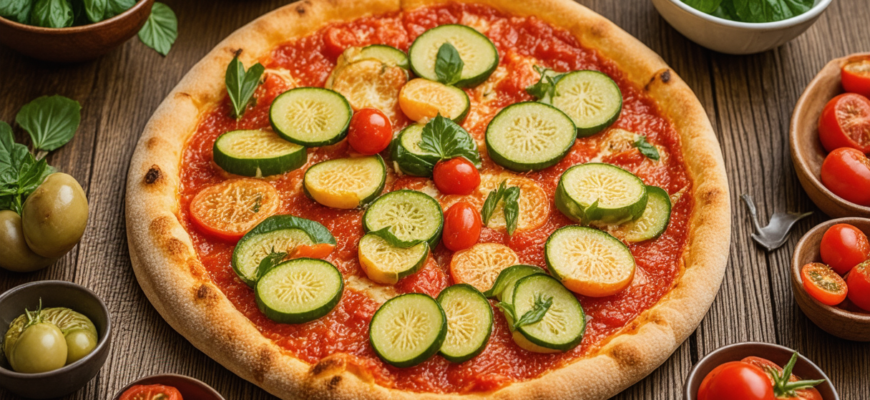
Pizza, a dish that has transcended cultural boundaries, continues to evolve with the changing tastes and dietary preferences of modern consumers. Traditionally associated with rich, cheesy, and gluten-laden crusts, pizza has experienced significant innovations to cater to health-conscious and ethically motivated audiences alike. In recent years, gluten-free and vegan pizza options have surged in popularity, transforming how pizza is prepared, served, and enjoyed worldwide. This article explores the fascinating history behind these new trends, the reasons for their rising popularity, and offers insights into delicious recipes and the chemistry behind these innovative variants.
- The Historical Context of Pizza
- Origins and Evolution of Traditional Pizza
- The Growing Demand for Special Diets
- Factors Influencing Dietary Shifts
- Statistics Reflecting Market Growth
- What Is Gluten-Free Pizza?
- Understanding Gluten and Its Effects
- Gluten-Free Flour Alternatives
- Challenges and Solutions in Making Gluten-Free Pizza
- What Is Vegan Pizza?
- Understanding Veganism and Its Impact on Pizza
- Key Ingredients in Vegan Pizza
- Creating a Delicious Vegan Pizza
- Recipes for Gluten-Free and Vegan Pizzas
- Classic Gluten-Free Vegan Pizza Recipe
- Ingredients:
- Preparation Steps:
- Vegan and Gluten-Free Margherita Pizza Recipe
- Ingredients:
- Preparation Steps:
- Benefits and Challenges of Gluten-Free and Vegan Pizzas
- Health Benefits
- Common Challenges
- The Future of Gluten-Free and Vegan Pizzas
- Innovations and Trends
- Market Outlook
- References
The Historical Context of Pizza
Origins and Evolution of Traditional Pizza
Pizza’s roots trace back to ancient civilizations, where flatbreads topped with herbs and local ingredients were common. However, the modern pizza as we recognize it today originated in Naples, Italy, in the 18th century. It evolved from simple street food into a global culinary phenomenon, especially after World War II, when American soldiers returned home with a newfound appreciation for Italian cuisine.
Traditional pizza, characterized by a wheat-based crust, tomato sauce, cheese, and toppings like pepperoni or vegetables, became a staple of many household menus worldwide. Yet, this standard version posed challenges for individuals with gluten sensitivities, allergies, or those preferring plant-based diets.
The Growing Demand for Special Diets
Factors Influencing Dietary Shifts
- Health Concerns: Increasing awareness of gluten intolerance, celiac disease, and food allergies has driven demand for gluten-free options.
- Ethical and Environmental Considerations: The rise of veganism and plant-based diets reflects ethical concerns about animal welfare and sustainability.
- Dietary Trends: The popularity of health-oriented eating plans, such as paleo or low-carb diets, prompts innovation in pizza ingredients.
Statistics Reflecting Market Growth
| Year | Market Share of Gluten-Free Products | Vegan Food Market Growth (%) |
|---|---|---|
| 2015 | 5% | 10% |
| 2018 | 15% | 20% |
| 2021 | 25% | 35% |
| 2023 | 30% | 45% |
What Is Gluten-Free Pizza?
Understanding Gluten and Its Effects
Gluten is a group of proteins found in wheat, barley, rye, and their derivatives. It provides elasticity and structure to bread and baked goods. For those with celiac disease, gluten sensitivity, or wheat allergy, consuming gluten can cause serious health problems, ranging from gastrointestinal discomfort to autoimmune responses.
Gluten-Free Flour Alternatives
Replacing traditional wheat flour necessitates using alternative ingredients that mimic the properties of gluten. Popular options include:
- Almond Flour: Rich in healthy fats, adds moisture and a nutty flavor.
- Coconut Flour: High in fiber, requires less quantity due to its absorbent qualities.
- Rice Flour: Light and neutral in flavor, commonly used in gluten-free blends.
- Chickpea Flour: High in protein and adds a distinctive flavor.
- Gluten-Free Flour Blends: Commercially prepared mixes often contain xanthan gum or guar gum to provide elasticity.
Challenges and Solutions in Making Gluten-Free Pizza
Creating a dough that holds together, stretches, and tastes delicious is complex without gluten. Chefs often incorporate binders like xanthan gum or psyllium husk to improve elasticity. Additionally, hydration levels, resting times, and oven temperatures are critical for achieving the ideal crust texture.
- Mix dry ingredients thoroughly.
- Add liquids gradually to reach optimal dough consistency.
- Allow the dough to rest to improve elasticity.
- Pre-bake the crust if necessary to prevent sogginess.
What Is Vegan Pizza?
Understanding Veganism and Its Impact on Pizza
Veganism excludes all animal-derived ingredients, including dairy, eggs, and meat. To create vegan pizza variants, chefs innovate with plant-based cheese, meat substitutes, and vegetable toppings that provide flavor, texture, and visual appeal similar to traditional pizza.
Key Ingredients in Vegan Pizza
| Ingredient Type | Common Alternatives |
|---|---|
| Cheese | Plant-based cheeses made from nuts (cashews, almonds), soy, or coconut oil |
| Sauces | Vegan-friendly options without animal products, such as tomato, pesto with nutritional yeast, or even tahini-based sauces |
| Toppings | Grilled vegetables, fruits (e.g., pineapple), plant-based protein (tofu, tempeh, seitan) |
| Crusts | Same as gluten-free options or traditional wheat-based, provided they contain no animal-derived ingredients |
Creating a Delicious Vegan Pizza
The key to vegan pizza lies in balancing flavors and textures. For example, using smoked vegan cheese adds a savory depth, while caramelized onions and roasted vegetables enhance sweetness and complexity. Marinating tofu or seitan provides additional protein and flavor base.
Recipes for Gluten-Free and Vegan Pizzas
Classic Gluten-Free Vegan Pizza Recipe
Ingredients:
- 1 ½ cups gluten-free flour blend
- 1 teaspoon baking powder
- ½ teaspoon salt
- ¼ cup olive oil
- ½ cup warm water
- ½ cup vegan cheese
- 1 cup tomato sauce
- Assorted vegetables (bell peppers, mushrooms, spinach)
Preparation Steps:
- Preheat oven to 200°C (392°F).
- Mix gluten-free flour, baking powder, and salt in a bowl.
- Add olive oil and gradually pour in warm water, stirring until dough forms.
- Roll out dough on parchment paper to desired thickness.
- Pre-bake for 10-12 minutes to set the crust.
- Remove from oven, spread tomato sauce evenly, add vegan cheese and toppings.
- Bake for another 15 minutes until cheese melts and edges are crispy.
Vegan and Gluten-Free Margherita Pizza Recipe
Ingredients:
- Gluten-free pizza dough
- Vegan mozzarella cheese
- Fresh basil leaves
- Cherry tomatoes
- Olive oil
- Salt and pepper to taste
Preparation Steps:
- Prepare the gluten-free crust as described above.
- Spread a thin layer of olive oil and tomato slices evenly on the crust.
- Add slices of vegan mozzarella and fresh basil leaves.
- Season with salt and pepper.
- Bake at 200°C (392°F) for approximately 12-15 minutes.
- Serve hot garnished with extra basil if desired.
Benefits and Challenges of Gluten-Free and Vegan Pizzas
Health Benefits
- Reduced intake of gluten for sensitive individuals.
- Lower saturated fat content, especially with plant-based cheeses and oils.
- Rich in dietary fiber, vitamins, and antioxidants from vegetables and alternative flours.
- Potential weight management benefits due to healthier ingredients.
Common Challenges
- Achieving the same texture and taste as traditional pizza crusts.
- Limited shelf life due to the absence of preservatives or stabilizers.
- Higher costs for specialty ingredients like vegan cheeses or gluten-free flours.
- Ensuring flavor balance without reliance on animal products or gluten.
The Future of Gluten-Free and Vegan Pizzas
Innovations and Trends
The ongoing development of new ingredients and culinary techniques promises further improvements in gluten-free and vegan pizza quality. Emerging trends include lab-grown cheese, genetically optimized grains, and 3D-printed food technology that allows precise customization of ingredients and textures.
Moreover, flavor innovations such as plant-based truffle oils, specialty herbs, and fermentation processes create richer, more complex profiles that appeal to a broad audience.
Market Outlook
The global gluten-free food market is projected to grow at a compound annual growth rate (CAGR) of approximately 7% through 2030, while the vegan food sector is expected to expand even faster at around 10%. The increasing demand for allergen-free, sustainable, and cruelty-free options signifies that these trends will continue shaping the pizza industry for years to come.
The rise of gluten-free and vegan pizza options reflects a broader shift toward healthier, more ethical, and environmentally conscious eating habits. Thanks to innovations in ingredients and culinary techniques, consumers can now indulge in delicious, satisfying pizzas that accommodate a variety of dietary restrictions without sacrificing flavor or texture. Whether for health reasons, ethical beliefs, or simply a desire for new gastronomic experiences, gluten-free and vegan pizzas have secured their place in the global pizza landscape, offering a culinary revolution that is as inclusive as it is flavorful.
References
Похожие записи:
 The Rise of American-Style Pizza in the 20th Century: A Delicious Cultural Transformation
  Scandinavian Rye-Based Flatbread Pizzas: A Delicious Twist on Traditional Pizza
  The Influence of Italian Immigrants on Global Pizza Culture
  Calzone: The Folded Pizza from Italy – A Delicious Journey into Italian Cuisine
  The Emergence of Gourmet and Artisanal Pizza Chefs: Redefining a Classic Cuisine
  Maltese Ftira with Local Flavors: A Delicious Twist on Traditional Pizza
  The Influence of World Cuisines on Pizza Toppings: A Global Culinary Journey
  Brazilian Pizza with Unique Tropical Ingredients: A Delicious Fusion of Flavors
  The Evolution of New York Thin-Crust Pizza: A Culinary Heritage of Flavor and Tradition
  Sicilian Pizza: A Delicious Dive into Thick, Square Slices and Its Rich History
  Swedish Spritz with Its Thin Crust and Savory Toppings: A Delicious Twist in Pizza Styles
  New York-Style Thin Crust Pizza: The Iconic Street Food of the Big Apple
  Discovering Czech Pizza: Delicious Variations and Traditional Toppings
  Albanian Flia with Layered Fillings: A Delicious Twist on Traditional Pizzas
  Croatian Pizza with Mediterranean Influences: A Culinary Journey
  Discover the Bold Flavors of Serbian Pizza with Spicy Sausage and Peppers