
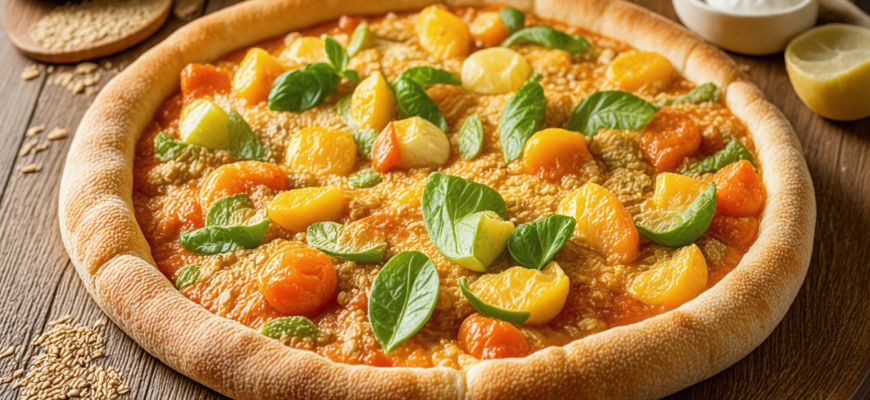
When it comes to enjoying delicious pizza, many focus on toppings, sauces, and cheese, often overlooking the significance of the crust. However, the crust is not just a base; it plays a vital role in the nutritional profile of the pizza and the overall health benefits it can provide. In particular, crusts rich in dietary fiber stand out for their ability to promote sustained energy release, improve digestion, and contribute to long-term well-being. This comprehensive article explores the advantages of fiber-rich pizza crusts, the science behind their energy-providing properties, and how they can be integrated into various recipes to enhance health benefits.
- Understanding Dietary Fiber and Its Role in Nutrition
- What Is Dietary Fiber?
- The Importance of Fiber in a Balanced Diet
- The Science of Energy Release and Fiber
- Why Do Some Foods Provide More Sustained Energy?
- How Fiber Contributes to Sustained Energy Release
- Benefits of Fiber-Rich Crusts in Pizza
- Enhanced Nutritional Profile
- Improved Digestive Health
- Prolonged Satiety and Appetite Control
- Blood Sugar Stability
- Support for Heart Health
- Common Ingredients for Fiber-Rich Pizza Crusts
- Whole Grain Flours
- Legume-Based Flours and Additions
- Vegetable and Seed Additions
- Recipes for Fiber-Rich Pizza Crusts
- Classic Whole Wheat Pizza Dough
- Oat and Flaxseed Crust
- Practical Tips for Incorporating Fiber-Rich Crusts into Your Diet
- Gradually Increase Fiber Intake
- Experiment with Different Grains and Additions
- Combine with Nutrient-Dense Toppings
- Potential Challenges and How to Overcome Them
- Texture and Taste Preferences
- Cooking Adjustments
- Summary Table: Benefits of Fiber-Rich Crusts
Understanding Dietary Fiber and Its Role in Nutrition
What Is Dietary Fiber?
Dietary fiber refers to the plant-based components of food that the human digestive system cannot completely break down. It is found primarily in fruits, vegetables, grains, nuts, and seeds. Dietary fiber is categorized into two types:
- Soluble fiber: Dissolves in water to form a gel-like substance. It can help lower cholesterol levels and regulate blood sugar.
- Insoluble fiber: Adds bulk to stool and facilitates intestinal transit, preventing constipation.
The Importance of Fiber in a Balanced Diet
Consuming adequate fiber intake offers numerous health benefits, including:
- Enhancement of digestive health
- Promotion of feelings of fullness, aiding in weight management
- Regulation of blood glucose levels
- Reduction of cholesterol levels, supporting heart health
- Potential reduction in the risk of certain cancers
The Science of Energy Release and Fiber
Why Do Some Foods Provide More Sustained Energy?
Foods with a high glycemic index cause rapid spikes in blood sugar levels, providing quick bursts of energy but often leading to subsequent crashes. Conversely, foods containing complex carbohydrates and dietary fiber are digested more slowly, resulting in a gradual release of energy over time. This steady energy flow can help maintain focus, physical activity, and overall vitality without sudden dips.
How Fiber Contributes to Sustained Energy Release
Fiber, especially soluble fiber, forms viscous gels in the digestive tract, which slows down carbohydrate absorption. This moderation helps to:
- Prevent rapid increases in blood glucose
- Ensure a prolonged supply of glucose to tissues
- Reduce the likelihood of energy crashes
Consequently, fiber-rich foods support a stable energy level, crucial for daily functioning and physical activity.
Benefits of Fiber-Rich Crusts in Pizza
Enhanced Nutritional Profile
Traditional pizza crusts are often made from refined white flour, which contains minimal fiber. Replacing or supplementing them with fiber-rich ingredients significantly boosts the nutritional value of the pizza, making it a more balanced meal.
Improved Digestive Health
The high fiber content in such crusts fosters healthy gut flora, improves bowel movements, and reduces the risk of gastrointestinal disorders. Regular consumption of fiber-rich crusts contributes to a robust digestive system.
Prolonged Satiety and Appetite Control
Fiber increases feelings of fullness more effectively than simple carbohydrates, assisting in appetite regulation. This quality is particularly beneficial for individuals aiming to control their weight or manage calorie intake.
Blood Sugar Stability
Consuming fiber-rich crusts can help moderate post-meal blood sugar spikes, crucial for managing or preventing type 2 diabetes.
Support for Heart Health
Dietary fiber, especially soluble fiber, has been linked with lower LDL cholesterol levels, lowering the risk of cardiovascular diseases.
Common Ingredients for Fiber-Rich Pizza Crusts
Whole Grain Flours
- Whole wheat flour: Retains the bran and germ, providing fiber, vitamins, and minerals.
- Oat flour: Rich in soluble fiber called beta-glucan, beneficial for cholesterol reduction.
- Spelt and rye flours: Alternative grains with higher fiber content than refined wheat.
Legume-Based Flours and Additions
- Chickpea or lentil flour: High in protein and fiber, adds nutritional diversity.
- Flaxseed and chia seeds: Packed with soluble fiber, omega-3 fatty acids, and antioxidants.
Vegetable and Seed Additions
- Shredded carrots, zucchini, or spinach: Increase fiber and add flavor.
- Seed toppings: Sunflower, sesame, and pumpkin seeds contribute additional fiber and healthy fats.
Recipes for Fiber-Rich Pizza Crusts
Classic Whole Wheat Pizza Dough
Ingredients:
- 2 cups whole wheat flour
- 1 teaspoon salt
- 1 teaspoon dry yeast
- 3/4 cup warm water
- 1 tablespoon olive oil
Preparation:
- Activate yeast by dissolving it in warm water with a pinch of sugar. Let sit until frothy.
- Mix flour and salt in a large bowl.
- Add yeast mixture and olive oil, then knead until smooth and elastic.
- Cover and let rise for 1 hour in a warm place.
- Roll out and add toppings. Bake at 220°C (430°F) for 12-15 minutes.
Oat and Flaxseed Crust
Ingredients:
- 1.5 cups oat flour
- 1/2 cup ground flaxseed
- 1 teaspoon baking powder
- 1/2 teaspoon salt
- 3/4 cup water or almond milk
- 1 tablespoon olive oil
Preparation:
- Mix dry ingredients in a bowl.
- Add water and olive oil, stirring until dough forms.
- Press dough into a baking sheet lined with parchment paper.
- Bake at 200°C (390°F) for 10-12 minutes before adding toppings.
- Proceed with topping and final baking for 10-15 minutes.
Practical Tips for Incorporating Fiber-Rich Crusts into Your Diet
Gradually Increase Fiber Intake
Sudden increases in dietary fiber can lead to gastrointestinal discomfort. It is advisable to incorporate fiber-rich crusts gradually, ensuring adequate hydration to aid digestion.
Experiment with Different Grains and Additions
Variety keeps the diet interesting and provides a broader spectrum of nutrients. Try mixing different whole grains, seeds, and vegetables in your crusts.
Combine with Nutrient-Dense Toppings
The health benefits of fiber-rich crusts are amplified when complemented by nutritious toppings like fresh vegetables, lean proteins, and healthy oils.
Potential Challenges and How to Overcome Them
Texture and Taste Preferences
Some may find fiber-rich crusts denser or earthier in flavor. To improve palatability, consider adding herbs, spices, or a splash of oil to the dough.
Cooking Adjustments
Fiber-rich doughs may require adjustments in baking time and temperature. Monitoring and testing for doneness ensures optimal texture.
Summary Table: Benefits of Fiber-Rich Crusts
| Benefit | Description |
|---|---|
| Slower Carbohydrate Absorption | Provides sustained energy and prevents blood sugar spikes. |
| Enhanced Digestion | Supports gut health and regular bowel movements. |
| Prolonged Satiety | Helps control appetite and reduces overeating. |
| Heart Health | Lower LDL cholesterol levels due to soluble fiber. |
| Weight Management | Increases feelings of fullness, aiding in calorie control. |
Integrating fiber-rich ingredients into pizza crusts is a simple yet effective way to elevate the nutritional value of this beloved dish. Beyond enhancing taste and texture, such crusts provide a spectrum of health benefits, primarily related to sustained energy release. As modern nutrition increasingly emphasizes the importance of dietary fiber, embracing recipes that incorporate whole grains, seeds, and vegetables ensures that pizza remains a wholesome, satisfying, and health-conscious choice. Whether for daily meals or occasional indulgence, fiber-rich crusts can serve as a valuable addition to a balanced diet, helping individuals maintain energy levels, improve digestion, and promote overall wellness.
Похожие записи:
 Fiber-Rich Toppings to Boost Digestive Health in Pizza Dishes
  Innovative Approaches to Pizza Crusts: Enhancing Nutrition with Alternative Flours
  The Benefits of Adding Vegetables to Your Pizza for Health
  Exploring the Antioxidants in Tomato Sauce and Their Health Benefits
  The Benefits of Probiotics in Cheese Used for Pizza
  Creative Ways to Make Gluten-Free Pizza Crusts: Elevate Your Pizza Experience
  Creating Balanced Pizza Recipes That Support Weight Management
  Sicilian Pizza: A Delicious Dive into Thick, Square Slices and Its Rich History
  Mastering the Art of Stuffed Crusts: Techniques for Making Delicious Pizzas at Home
  Unlocking the Secrets of Traditional Pizza: Nutritional Components and Their Impact on Health
  How to Make Pizza a Part of a Heart-Healthy Diet
  Balancing Macronutrients in Homemade Pizza Recipes: A Complete Guide
  The Importance of Portion Control for Healthy Pizza Consumption
  The Significance of Calcium and Vitamin D in Cheese-Heavy Pizzas
  Enhancing Pizza with High-Antioxidant Toppings for Better Health
  Mastering Gluten-Free and Keto-Friendly Pizza Bases: Delicious Recipes and Tips