
Pizza has long been one of the world’s most beloved comfort foods, appreciated for its versatility, rich flavors, and cultural significance. Traditionally, pizza toppings have ranged from simple tomato and cheese to an array of meats, vegetables, and cheeses. However, in recent years, health-conscious consumers have sought ways to make their favorite dish not only delicious but also nutritionally beneficial. One of the key dietary components gaining attention in this context is dietary fiber, especially when incorporated through innovative and tasty toppings.
This comprehensive guide explores how fiber-rich toppings can enhance digestive health when added to pizza dishes. It provides insights into the importance of dietary fiber, suitable high-fiber ingredients, creative topping ideas, nutritional benefits, and practical tips for incorporating these toppings into your pizza recipes without sacrificing flavor.
- Understanding the Role of Dietary Fiber in Digestive Health
- What Is Dietary Fiber?
- The Significance of Dietary Fiber
- Why Integrate Fiber-Rich Toppings into Pizza?
- Best High-Fiber Ingredients for Pizza Toppings
- Vegetables
- Legumes and Pulses
- Whole Grains and Seeds
- Fruits
- Creative Ideas for Incorporating Fiber-Rich Toppings into Pizza
- 1. Veggie-Loaded Pizza
- 2. Legume-Enhanced Pizzas
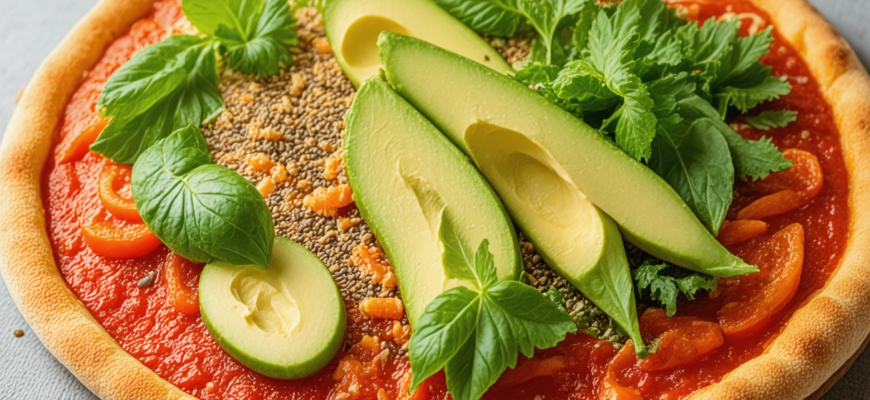
- 3. Seed-Infused Toppings
- 4. Fruit Accents
- 5. Whole Grain Crusts and Base Layers
- Sample Recipe: High-Fiber Vegetarian Pizza
- Ingredients:
- Preparation Steps:
- Nutritional Analysis and Benefits
- Tips for Maximizing the Benefits
- 1. Opt for Whole and Minimally Processed Ingredients
- 2. Incorporate a Variety of Fiber Sources
- 3. Balance Toppings for Taste and Nutrition
- 4. Be Mindful of Portion Sizes
Understanding the Role of Dietary Fiber in Digestive Health
What Is Dietary Fiber?
Dietary fiber comprises the parts of plant-based foods that the human body cannot digest or absorb. It is classified into two main types:
- Soluble fiber: Dissolves in water to form a gel-like substance, aiding in lowering cholesterol and stabilizing blood sugar levels.
- Insoluble fiber: Adds bulk to stool and helps food pass faster through the stomach and intestines, promoting regularity.
The Significance of Dietary Fiber
Consuming adequate amounts of dietary fiber is vital for maintaining a healthy digestive system. It helps prevent constipation, reduces the risk of gastrointestinal disorders such as diverticulitis, and supports the growth of beneficial gut bacteria. An optimal fiber intake can also contribute to weight management, blood sugar control, and lowered cholesterol levels.
Why Integrate Fiber-Rich Toppings into Pizza?
While many traditional pizza toppings are rich in flavors and nutrients, they often lack sufficient dietary fiber. Incorporating fiber-rich ingredients can turn an everyday pizza into a functional dish that offers health benefits.
Benefits of adding fiber-rich toppings include:
- Improved digestion: Fiber facilitates smooth bowel movements and prevents constipation.
- Gut health promotion: Fiber serves as a prebiotic, nourishing beneficial gut bacteria.
- Enhanced satiety: High-fiber toppings help you feel full longer, aiding in weight management.
- Chronic disease prevention: Regular fiber intake is associated with reduced risk of heart disease and metabolic syndromes.
Best High-Fiber Ingredients for Pizza Toppings
Vegetables
Most vegetables are excellent sources of dietary fiber and can be easily incorporated into pizza toppings. Some of the top choices include:
- Broccoli: Contains insoluble fiber and is rich in vitamins.
- Spinach: Provides both soluble and insoluble fiber.
- Zucchini: Low in calories and high in fiber.
- Bell peppers: Rich in fiber, vitamin C, and antioxidants.
- Carrots: Adds sweetness and fiber, especially if shredded raw or cooked.
Legumes and Pulses
Although less common on traditional pizzas, cooked legumes can be used in moderation for a fiber boost:
- Chickpeas: Can be smashed into a hummus spread or sprinkled as toppings.
- Lentils: Cooked and crushed, they add protein and fiber.
Whole Grains and Seeds
Although primarily used in crusts, some toppings incorporate whole grains and seeds:
- Flaxseeds: Rich in soluble fiber and omega-3 fatty acids, sprinkled on top.
- Chia seeds: Absorb water and add fiber, texture, and nutritional value.
- Oats: Small amounts can be added as a topping or crust ingredient.
Fruits
Fruits are naturally high in soluble fiber and can be added in creative ways:
- Pineapple: Adds sweetness and some fiber.
- Figs: Dried or fresh, high in fiber and distinctive flavor.
- Apple slices: Thinly sliced apples can add crunch and fiber.
Creative Ideas for Incorporating Fiber-Rich Toppings into Pizza
1. Veggie-Loaded Pizza
Maximize fiber intake by creating a pizza loaded with vegetables. For instance, a combination of spinach, broccoli, bell peppers, and shredded carrots can make a colorful and nutritious topping. Use a whole wheat or rye crust to increase dietary fiber even further.
2. Legume-Enhanced Pizzas
Incorporate roasted chickpeas or lentils as toppings. These can be seasoned with herbs and spices to add flavor. For example, roast chickpeas with cumin and garlic, then scatter them over the cheese before baking for added crunch and fiber.
3. Seed-Infused Toppings
Sprinkle flaxseeds or chia seeds over the top of the pizza before baking. These seeds not only boost fiber but also add a nutty flavor and healthy omega-3 fatty acids.
4. Fruit Accents
For a sweet and savory twist, add slices of fresh figs or pineapple on top of a cheese and vegetable pizza. These fruits contribute soluble fiber and a unique flavor profile.
5. Whole Grain Crusts and Base Layers
Choosing a whole grain or seeded crust significantly increases the fiber content of the entire meal. Recipes for such crusts often incorporate oats, flaxseeds, or whole wheat flour, enhancing the overall nutritional profile.
Sample Recipe: High-Fiber Vegetarian Pizza
Ingredients:
- Whole wheat pizza dough
- Tomato sauce infused with blended chickpeas for added fiber
- Fresh spinach
- Chopped broccoli florets
- Thinly sliced carrots
- Shredded mozzarella cheese
- Sprinkle of ground flaxseeds and chia seeds
- Olive oil, salt, pepper, and herbs to taste
Preparation Steps:
- Preheat the oven to 220°C (430°F).
- Roll out the whole wheat dough on a baking sheet.
- Spread a layer of tomato sauce, blended with chickpeas to increase fiber content.
- Evenly distribute spinach, broccoli, and carrot slices over the sauce.
- Sprinkle shredded cheese, followed by flaxseeds and chia seeds.
- Drizzle with olive oil and season with herbs.
- Bake for 15-20 minutes until crust is crispy and cheese is melted.
- Let it cool slightly, slice, and serve hot.
Nutritional Analysis and Benefits
Headings above highlight the importance of dietary fiber, and incorporating high-fiber toppings can significantly impact the overall nutritional profile of a pizza. To illustrate the potential benefits, consider the following approximate nutritional contributions:
| Ingredient | Serving Size | Fiber Content | Additional Nutrients |
|---|---|---|---|
| Spinach | 1 cup (30g) | ≈ 0.7g | Vitamins A, C, K, iron |
| Broccoli | 1 cup (91g) | ≈ 2.4g | Vitamins C, K, folate, antioxidants |
| Chickpeas | 1/4 cup (41g) | ≈ 3.8g | Protein, minerals, complex carbs |
| Flaxseeds | 1 tablespoon (10g) | ≈ 2.8g | Omega-3 fatty acids, lignans |
| Chia seeds | 1 tablespoon (12g) | ≈ 5g | Fiber, omega-3, antioxidants |
In combination, these ingredients not only contribute to daily fiber goals but also enhance intakes of essential vitamins, minerals, and beneficial phytochemicals.
Tips for Maximizing the Benefits
1. Opt for Whole and Minimally Processed Ingredients
Choosing whole grains, fresh vegetables, and minimally processed seeds ensures maximum nutrient preservation and fiber content.
2. Incorporate a Variety of Fiber Sources
Diverse fiber sources provide a broader spectrum of benefits, supporting different gut bacteria and overall health.
3. Balance Toppings for Taste and Nutrition
While aiming for fiber-rich toppings, do not compromise on flavor. Combining crunchy seeds with savory vegetables can make the dish palatable and healthy.
4. Be Mindful of Portion Sizes
Adding high-fiber ingredients should be balanced to avoid excessive calorie intake while maximizing health benefits.
Embracing high-fiber toppings on pizza is an excellent way to combine culinary pleasure with health benefits. Whether through vibrant vegetables, seed sprinkles, or bean-based spreads, there are countless ways to elevate a simple dish into a nutrient-dense meal. By understanding the types of dietary fiber, selecting creative ingredients, and experimenting with recipes, pizza lovers can enjoy their favorite treat while supporting optimal digestive health. As part of a balanced diet, fiber-rich pizza toppings can contribute to better digestion, increased satiety, and a healthier gut microbiome, making it easier to maintain overall well-being without sacrificing flavor.
Похожие записи:
 Unlocking the Secrets of Traditional Pizza: Nutritional Components and Their Impact on Health
  The Benefits of Adding Vegetables to Your Pizza for Health
  Exploring the Antioxidants in Tomato Sauce and Their Health Benefits
  Sicilian Pizza: A Delicious Dive into Thick, Square Slices and Its Rich History
  Perfectly Pairing Your Pizza with Delicious Side Dishes: A Complete Guide
  Sweet Potato Slices, Arugula, and Blue Cheese for a Sophisticated Bite: Elevating Pizza Toppings to Gourmet Levels
  Korean BBQ-Inspired Toppings with Marinated Beef and Kimchi: A Fusion of Flavors
  Balancing Macronutrients in Homemade Pizza Recipes: A Complete Guide
  Discovering Czech Pizza: Delicious Variations and Traditional Toppings
  Mexican Tlayuda and Its Rustic Toppings: A Deep Dive into a Unique Culinary Tradition
  Mediterranean Medley: Olives, Sun-Dried Tomatoes, and Feta Cheese – A Flavorful Journey into Mediterranean Pizza Toppings
  Creative Ways to Make Gluten-Free Pizza Crusts: Elevate Your Pizza Experience
  Discover the Perfect Georgian Mchadi with Toppings: A Delicious Traditional Bread to Complement Every Meal
  Japanese Okonomiyaki with Pizza-Like Toppings: A Fusion of Flavors and Culinary History
  The Influence of World Cuisines on Pizza Toppings: A Global Culinary Journey
  The Importance of Portion Control for Healthy Pizza Consumption