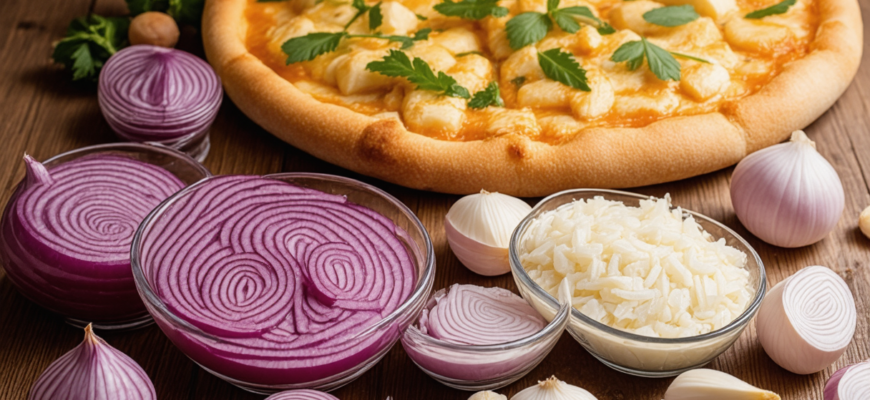
When exploring the world of culinary delights, particularly in the context of popular toppings for pizzas and other dishes, onions and garlic stand out not only for their flavor but also for their remarkable health benefits. These ingredients, often considered mere condiments, possess powerful qualities that can significantly bolster immune health. This comprehensive article delves into the science behind onions and garlic, examining how their consumption influences immune function, their bioactive compounds, and practical ways to incorporate them into meals for optimal health benefits.
- Why Are Onions and Garlic Considered Superfoods?
- Biochemical Composition of Onions and Garlic
- Onions: Nutrients and Phytochemicals
- Garlic: Nutrients and Active Compounds
- How Onions and Garlic Enhance Immune Function
- Mechanisms of Action
- Scientific Evidence Supporting Immune Benefits
- Bioactive Compounds and Their Roles in Immunity
- Quercetin: The Flavonoid Fighter
- S-allyl cysteine and Organosulfur Compounds
- Practical Tips for Incorporating Onions and Garlic into Your Diet
- Cooking Methods that Preserve Nutrients
- Creative Ways to Include Onions and Garlic in Meals
- Potential Precautions and Considerations
- The Science of Combining Onion and Garlic for Maximum Immune Support
- The Power of Onion and Garlic in Immune Defense
- Summary Table: Nutritional and Medicinal Benefits of Onions and Garlic
- Final Thoughts
Why Are Onions and Garlic Considered Superfoods?
Across many cultures, onions and garlic have been utilized for medicinal purposes for thousands of years. They are rich sources of phytochemicals, vitamins, and minerals known to enhance immune defenses. Their popularity in dishes such as pizzas, salads, and stews is not accidental; they bring flavor and have been linked to a lower risk of chronic diseases. Understanding their health-promoting properties requires a closer look at their biochemical composition and mechanisms of action within the human body.
Biochemical Composition of Onions and Garlic
Onions: Nutrients and Phytochemicals
Onions (Allium cepa) are low-calorie vegetables packed with nutrients. Key components include:
- Vitamins: Vitamin C, B6, folate
- Minerals: Potassium, manganese, phosphorus
- Phytochemicals: Quercetin, sulfur compounds, flavonoids
Quercetin, a potent antioxidant, accounts for many of onions’ health benefits. Besides, sulfur compounds contribute to their distinct pungency and are crucial in health-promoting mechanisms.
Garlic: Nutrients and Active Compounds
Garlic (Allium sativum) is renowned for its medicinal properties. Its primary bioactive compounds include:
- S-allyl cysteine and other organosulfur compounds
- Vitamins: Vitamin C, B6, selenium
- Minerals: Manganese, calcium
The sulfur-containing compounds in garlic are responsible for its antimicrobial, anti-inflammatory, and immune-modulating effects.
How Onions and Garlic Enhance Immune Function
Mechanisms of Action
Onions and garlic influence the immune system through multiple pathways:
- Antioxidant activity: Neutralize free radicals that can damage immune cells.
- Antimicrobial effects: Combat bacteria, viruses, and fungi, reducing the burden on the immune system.
- Anti-inflammatory properties: Inhibit inflammatory cytokines, preventing chronic inflammation that impairs immune response.
- Activation of immune cells: Stimulate macrophages, lymphocytes, and natural killer (NK) cells to respond effectively to pathogens.
Scientific Evidence Supporting Immune Benefits
Numerous studies have shown that regular consumption of onions and garlic can lead to improved immune markers. For instance:
| Study | Findings |
|---|---|
| Clinical trial on garlic supplementation | Increased NK cell activity and reduced incidence of common cold |
| Observational studies on onion intake | Lower levels of inflammatory markers like CRP and IL-6 |
| Laboratory research on sulfur compounds | Enhanced phagocytic activity of immune cells |
Bioactive Compounds and Their Roles in Immunity
Quercetin: The Flavonoid Fighter
Quercetin is a flavonoid with potent antioxidant capacity. It modulates immune responses by inhibiting pro-inflammatory enzymes and cytokines. Studies suggest that quercetin supplementation can reduce the severity and duration of flu and colds.
S-allyl cysteine and Organosulfur Compounds
Garlic’s sulfur compounds, such as allicin, are released when garlic is chopped or crushed. These compounds exhibit antimicrobial actions and stimulate immune cell activity, enhancing resistance to infections.
Practical Tips for Incorporating Onions and Garlic into Your Diet
Cooking Methods that Preserve Nutrients
To maximize health benefits, it’s essential to prepare onions and garlic properly:
- Minimize high-heat cooking to prevent nutrient degradation.
- Add garlic towards the end of cooking to preserve allicin.
- Consume raw or lightly cooked onions in salads or as toppings for minimal nutrient loss.
Creative Ways to Include Onions and Garlic in Meals
- Use freshly chopped garlic and onions as toppings on pizza for enhanced flavor and health benefits.
- Add sliced onions and minced garlic to stir-fries, soups, and stews.
- Prepare garlic-infused olive oil for drizzling on salads and bread.
- Mix raw onion and garlic into dips and sauces for a spicy, health-boosting kick.
Potential Precautions and Considerations
While garlic and onions are generally safe for most people, excessive consumption may cause gastrointestinal discomfort, bad breath, or allergic reactions. People on blood-thinning medications should consult healthcare providers, as garlic can increase bleeding risk. Always incorporate these ingredients as part of a balanced diet.
The Science of Combining Onion and Garlic for Maximum Immune Support
Combining onions and garlic can have synergistic effects. Their complementary phytochemicals enhance each other’s bioavailability and immune-modulating properties. A typical example includes a “super-boosting” salad containing raw onion rings and crushed garlic, acting as a natural remedy to bolster immunity during cold seasons.
The Power of Onion and Garlic in Immune Defense
In an era where immune health has become a central focus, especially amidst global health challenges, harnessing natural foods’ benefits is vital. Onions and garlic stand out as accessible, delicious, and potent allies against infections and chronic inflammatory conditions. Regularly incorporating these ingredients into meals, including popular dishes like pizza, can provide tangible health benefits, boosting immunity while satisfying culinary cravings.
Summary Table: Nutritional and Medicinal Benefits of Onions and Garlic
| Component | Source | Health Benefit |
|---|---|---|
| Quercetin | Onions | Antioxidant, anti-inflammatory, immune modulation |
| S-allyl cysteine | Garlic | Antimicrobial, immune-enhancing |
| Vitamin C | Both | Immune response support, antioxidant activity |
| Sulfur compounds | Both | Detoxification, anti-inflammatory, immune support |
Final Thoughts
Incorporating onions and garlic into a balanced diet can significantly contribute to strengthening the immune system. Their rich phytochemical profiles, combined with culinary versatility, make them indispensable ingredients not only for flavor enhancement but also for health promotion. Whether raw on a pizza topping or cooked in a nourishing broth, these natural wonders provide a boost for immune resilience and overall well-being.
Похожие записи:
 The Role of Antioxidants in Tomato-Based Pizza Sauces
  Enhancing Pizza with High-Antioxidant Toppings for Better Health
  Exploring the Antioxidants in Tomato Sauce and Their Health Benefits
  The Impact of Cheese Types on Pizza’s Nutritional Profile
  Unlocking the Secrets of Traditional Pizza: Nutritional Components and Their Impact on Health
  Unlocking Nutrition: How to Incorporate Superfoods into Pizza Toppings for a Healthier Twist
  The Benefits of Adding Nuts and Seeds to Pizza Toppings
  Fiber-Rich Toppings to Boost Digestive Health in Pizza Dishes
  How to Boost Fiber Intake with Seed-Based Toppings on Pizza
  Korean BBQ-Inspired Toppings with Marinated Beef and Kimchi: A Fusion of Flavors
  The Impact of Social Media on Pizza Marketing and Popularity
  Innovative Strategies to Enhance Pizza’s Nutritional Value Without Increasing Calories
  Mediterranean Medley: Olives, Sun-Dried Tomatoes, and Feta Cheese – A Flavorful Journey into Mediterranean Pizza Toppings
  The Benefits of Probiotics in Cheese Used for Pizza
  Vegan Cheese Options and Their Nutritional Advantages on Pizza: A Comprehensive Guide
 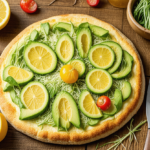 California-Inspired Pizzas: Fresh Avocado, Sprouts, and Lemon Zest for Every Taste