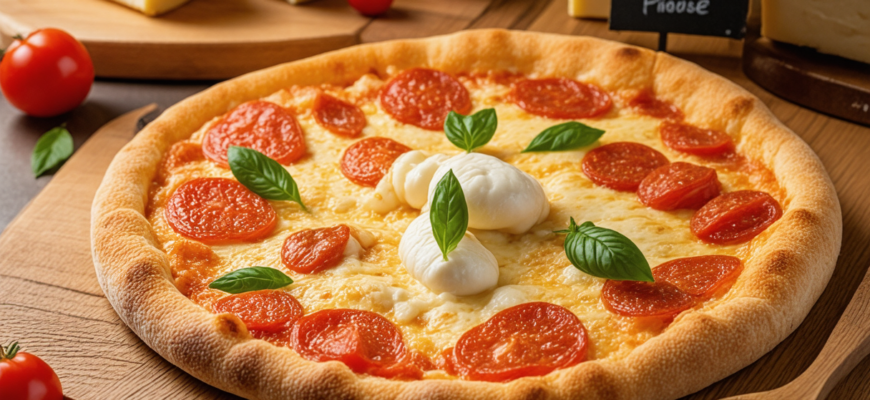
Pizza remains one of the most beloved dishes worldwide, cherished for its rich flavors, diverse toppings, and irresistible crust. Central to its flavor profile is the cheese—particularly varieties that deliver creamy textures and melt seamlessly over toppings. Recently, a new trend has garnered attention in the culinary and nutritional worlds: the incorporation of probiotics into cheese used for pizza. This innovation offers not only enhanced taste but also significant health benefits, making every slice both delicious and nutritious. In this comprehensive article, explore the role of probiotics in cheese, their benefits in the context of pizza, and practical insights into their integration into the culinary experience.
- Understanding Probiotics: What Are They and How Do They Work?
- Definition and Basic Principles
- Mechanisms of Action
- The Role of Probiotics in Dairy Products
- Traditional Fermentation and Cheese Production
- Advancements in Probiotic Cheese
- Probiotics in Cheese Used for Pizza: Why This Matters
- Enhanced Nutritional Value of Pizza
- Potential Health Benefits of Probiotic Parmesan and Mozzarella on Pizza
- Incorporating Probiotics into Cheese for Pizza: Methods and Considerations
- Selection of Probiotic Strains
- Fermentation Process Optimization
- Ensuring Viability and Stability
- Impact of Cooking on Probiotics
- Practical Benefits for Consumers
- Health-Oriented Pizza Options
- Taste and Texture Retention
- Scientific Evidence Supporting Probiotic Cheese Benefits
- Research Highlights
- Limitations and Future Directions
- Summary of Key Points
Understanding Probiotics: What Are They and How Do They Work?
Definition and Basic Principles
Probiotics are live microorganisms—primarily bacteria and yeasts—that, when consumed in adequate amounts, confer health benefits to the host. Typically found naturally in fermented foods such as yogurt, kefir, sauerkraut, and kimchi, probiotics help maintain and restore the natural balance of gut microbiota. The most common probiotic strains include Lactobacillus, Bifidobacterium, and Saccharomyces boulardii.
Mechanisms of Action
Probiotics work through various mechanisms to promote health, including:
- Competitive Exclusion: Outcompeting pathogenic bacteria for nutrients and attachment sites.
- Enhancement of Gut Barrier: Strengthening intestinal lining to prevent harmful substances from entering the bloodstream.
- Modulating Immunity: Stimulating and regulating immune responses.
- Production of Beneficial Substances: Producing vitamins, enzymes, and organic acids that promote gut health.
The Role of Probiotics in Dairy Products
Traditional Fermentation and Cheese Production
Cheese, as a fermented dairy product, has historically been a probiotic carrier. Traditional cheese-making involves fermentation processes with specific strains of bacteria that shape flavor, texture, and safety parameters. In standard cheese production, these bacteria contribute to the development of desirable characteristics, but not all cheeses contain sufficient probiotic strains in viable quantities for health benefits.
Advancements in Probiotic Cheese
Modern food technology has enabled the development of probiotic-enriched cheeses. These products are crafted to contain active probiotic cultures that remain viable throughout storage and consumption, ensuring health benefits for consumers. Incorporation of probiotics into cheese is especially effective due to the cheese’s buffering capacity, which protects probiotic bacteria from stomach acidity until they reach the intestines.
Probiotics in Cheese Used for Pizza: Why This Matters
Enhanced Nutritional Value of Pizza
Pizza is a widely consumed dish with roots in traditional Italian cuisine. Its popularity makes it an excellent vehicle for delivering health-promoting ingredients, such as probiotics. Adding probiotic-rich cheese to pizza increases its nutritional profile without compromising taste and appearance.
Potential Health Benefits of Probiotic Parmesan and Mozzarella on Pizza
| Health Benefit | Description |
|---|---|
| Improved Digestive Health | Probiotics help balance intestinal flora, reducing issues like bloating, constipation, and diarrhea. |
| Enhanced Immunity | Probiotics stimulate immune responses, making the body more resistant to infections. |
| Reduction of Inflammation | Probiotics can lower inflammatory markers, beneficial for chronic inflammatory conditions. |
| Better Nutrient Absorption | Probiotics assist in breaking down food, improving absorption of vitamins and minerals. |
| Potential Mental Health Benefits | Gut-brain axis interactions suggest probiotics may influence mood and cognitive function. |
Incorporating Probiotics into Cheese for Pizza: Methods and Considerations
Selection of Probiotic Strains
Choosing the right probiotic strains is crucial for ensuring efficacy and viability in cheese. Strains such as Lactobacillus acidophilus and Bifidobacterium lactis are commonly used due to their proven health benefits and stability in dairy matrices.
Fermentation Process Optimization
To prepare probiotic cheese for pizza, manufacturers optimize fermentation conditions—including temperature, pH, and incubation time—to maximize probiotic viability while ensuring desirable cheese characteristics. The added bacteria are introduced during cheese curd formation or post-pasteurization stages, depending on the cheese type.
Ensuring Viability and Stability
For probiotics to be effective, they must survive through storage, cooking, and digestion. Encapsulation techniques and protective matrices are often employed to enhance bacterial survival rates during production and in the final baked product. Additionally, the cheese’s pH, moisture content, and shelf life are tailored to preserve probiotic activity.
Impact of Cooking on Probiotics
- High temperatures during baking can reduce probiotic counts significantly.
- Using probiotic cheese as a topping after baking preserves bacterial viability.
- Developing low-temperature or pre-baked probiotic cheese layers can mitigate heat damage.
Practical Benefits for Consumers
Health-Oriented Pizza Options
As consumers increasingly prioritize health and wellness, probiotic-enhanced pizzas serve as a convenient way to include beneficial bacteria in everyday diet. For individuals with digestive issues, immune deficiencies, or simply a desire to optimize gut health, probiotic cheese provides an accessible solution.
Taste and Texture Retention
Unlike many functional foods, probiotic cheeses used for pizza are designed to preserve their original flavor, melting qualities, and textures. The inclusion of probiotic cultures does not alter the sensory experience, maintaining the pizza’s appeal.
Scientific Evidence Supporting Probiotic Cheese Benefits
Research Highlights
- Gut health improvement: Studies show that consuming probiotic cheese enhances the diversity of gut microbiota and reduces gastrointestinal discomfort.
- Immune system modulation: Regular intake of probiotic cheese correlates with increased levels of immunoglobulins and resistance to infections.
- Bone health: Probiotics can improve calcium absorption, aiding in bone strength, an added benefit given cheese’s calcium content.
Limitations and Future Directions
While promising, research continues to explore the optimal strains, dosages, and formulations of probiotic cheese in pizza. Challenges include heat stability during cooking and consumer acceptance. Advances in microencapsulation and fermentation technology are expected to address these issues, making probiotic pizza a mainstream health product.
Summary of Key Points
- Probiotics are beneficial microorganisms that support digestive and immune health.
- Cheese used in pizza can be enriched with probiotic cultures without sacrificing taste or quality.
- Integration involves selecting suitable strains, optimizing fermentation, and ensuring bacterial viability during baking.
- Probiotic cheese enhances the nutritional value of pizza, providing health benefits alongside great flavor.
- Ongoing research aims to improve probiotic stability in baked products, expanding opportunities for functional pizzas.
The inclusion of probiotics in cheese used for pizza represents a compelling intersection of culinary tradition and modern nutrition science. As consumer awareness of gut health and functional foods grows, probiotic-enriched pizza offers a delicious and practical means to incorporate health-promoting bacteria into daily diets. With technological advancements ensuring bacterial viability through the cooking process, this innovation promises a future where the beloved cheese slice doubles as a source of wellness, satisfying both taste buds and health needs simultaneously.
From traditional recipes to innovative creations, the fusion of probiotics and pizza exemplifies how food can evolve to meet contemporary health challenges while respecting culinary heritage. Whether enjoyed as a comforting meal or a health-conscious choice, probiotic pizza stands as a testament to the exciting possibilities within modern gastronomy.
Похожие записи:
 The Benefits of Adding Vegetables to Your Pizza for Health
  Exploring the Antioxidants in Tomato Sauce and Their Health Benefits
  The Impact of Cheese Types on Pizza’s Nutritional Profile
  The Journey of Creating Vegan Cheese for Pizza: From Concept to Slice
  Four Cheese Blend with a Drizzle of Honey for a Perfect Sweet-Savory Pizza Experience
  Mediterranean Medley: Olives, Sun-Dried Tomatoes, and Feta Cheese – A Flavorful Journey into Mediterranean Pizza Toppings
  Sweet Potato Slices, Arugula, and Blue Cheese for a Sophisticated Bite: Elevating Pizza Toppings to Gourmet Levels
  Fiber-Rich Toppings to Boost Digestive Health in Pizza Dishes
  Lebanese Manakish with Za’atar and Cheese: A Delicious Twist on Traditional Pizzas
  Choosing the Right Cheese Blends for Melting Excellence: The Ultimate Guide
  Korean BBQ-Inspired Toppings with Marinated Beef and Kimchi: A Fusion of Flavors
  Unlocking Nutrition: How to Incorporate Superfoods into Pizza Toppings for a Healthier Twist
  Unlocking the Secrets of Traditional Pizza: Nutritional Components and Their Impact on Health
  Creating Balanced Pizza Recipes That Support Weight Management
  Balancing Macronutrients in Homemade Pizza Recipes: A Complete Guide
  The Importance of Portion Control for Healthy Pizza Consumption