
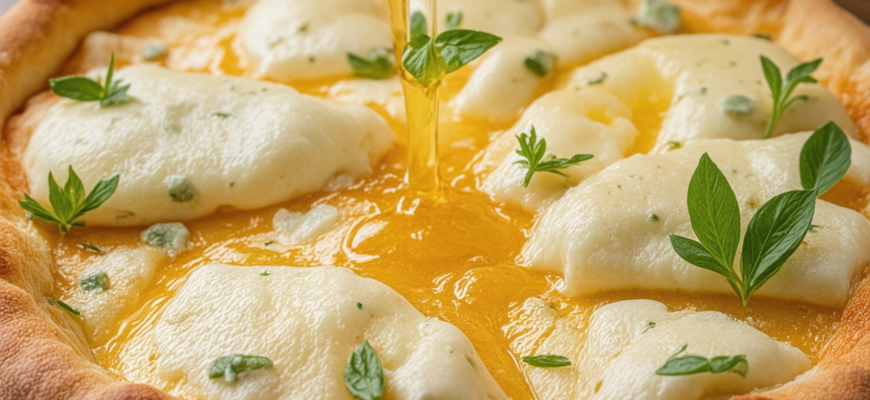
The world of pizza is as diverse as it is delicious, offering a palette of flavors that can cater to every taste preference. Among the many innovative combinations, the pairing of a four-cheese blend with a touch of honey stands out as a perfect harmony of sweet and savory flavors. This combination not only elevates the traditional pizza experience but also introduces a gourmet twist that appeals to those seeking unique and harmonious taste sensations. In this comprehensive guide, explore the origins of cheese blends, the art of balancing flavors, detailed recipes, and the fascinating history behind sweet-savory culinary pairings that make this pizza a standout choice for food enthusiasts worldwide.
- The Art of Cheese Blending: Unlocking Flavor Depths
- Why Use a Four Cheese Blend?
- Cheese Combinations and Their Characteristics
- The Sweet and Savory Fusion: The Role of Honey
- Honey as a Culinary Ingredient
- Balancing Flavors with Honey
- Step-by-Step Recipe: Four Cheese & Honey Pizza
- Ingredients Needed
- Preparation Steps
- Variations and Creative Twists
- Adding Fruits and Nuts
- Spicing Up the Blend
- The Science Behind Sweet and Savory Polarities
- Flavor Pairing Theory
- Synergy of Ingredients
- The History of Sweet and Savory Combinations in Cuisine
- Ancient Roots of Sweet-Savory Pairings
- Evolution into Modern Gastronomy
- Health Benefits and Nutritional Aspects
- Cheese Benefits
- Honey’s Nutritional Value
- Moderation and Dietary Considerations
- Final Tips for Perfect Sweet-Savory Pizzas
The Art of Cheese Blending: Unlocking Flavor Depths
Why Use a Four Cheese Blend?
The use of multiple cheeses in a single dish is rooted in the culinary desire to create complexity, depth, and richness. A four-cheese blend harnesses this complexity, combining cheeses with varied textures and flavors to produce a balanced, creamy, and flavorful result. Typically, these blends include:
- Mozzarella — for meltability and mild flavor
- <strong/Parmesan — for sharpness and saltiness
- <strong/Fontina — for creaminess and nutty notes
- <strong/Gorgonzola or Blue Cheese — for pungency and distinctive character
By blending these cheeses, the resulting flavor profile balances richness, tanginess, sharpness, and creaminess—ideal for innovative pizza toppings like honey-drizzled cheese.
Cheese Combinations and Their Characteristics
| Cheese | Flavor Profile | Texture | Best Uses |
|---|---|---|---|
| Mozzarella | Mild, milky | Soft, elastic | Base cheese for pizzas |
| Parmesan | Nutty, salty, sharp | Granular, crumbly | Grated over pizza, enhances flavor |
| Fontina | Earthy, nutty, creamy | Silky, melted | Melted in cheese blends |
| Gorgonzola/Blue Cheese | Pungent, tangy, sharp | Creamy, crumbly | Spice up cheese blends, add complexity |
The Sweet and Savory Fusion: The Role of Honey
Honey as a Culinary Ingredient
Honey is one of the oldest natural sweeteners used in cooking, prized for its complex flavor profile and versatility. Its floral, fruity, or woody notes depending on the nectar source make it an excellent pairing with cheeses. When drizzled over a cheese-laden pizza, honey introduces a smooth sweetness that balances the saltiness and acidity, creating a layered taste experience.
Balancing Flavors with Honey
Achieving the perfect balance between sweet and savory is an art. The key is in proportion and timing. Too much honey can overpower the cheese, while too little may not deliver the desired flavor contrast. A general guideline for optimal flavor harmony is:
- Start with a light drizzle—about 1–2 teaspoons per pizza
- Allow the cheese to melt thoroughly before adding honey
- Adjust quantity to taste based on the cheese’s saltiness and richness
Step-by-Step Recipe: Four Cheese & Honey Pizza
Ingredients Needed
- Pizza dough (homemade or store-bought)
- 200 g low-moisture mozzarella, shredded
- 50 g Parmesan cheese, grated
- 50 g Fontina cheese, sliced or shredded
- 50 g Gorgonzola or blue cheese, crumbled
- 2 tablespoons extra virgin olive oil
- Salt and freshly ground black pepper, to taste
- Honey (preferably floral or wild), for drizzling
- Fresh basil leaves (optional), for garnish
Preparation Steps
- Preheat the Oven: Set your oven to 250°C (482°F) and place a pizza stone or baking sheet inside to heat.
- Prepare the Dough: Roll out the dough on a floured surface to your desired thickness. Transfer to a parchment paper for easy handling.
- Assemble the Base: Spread olive oil evenly over the dough and season lightly with salt and pepper.
- Add the Cheese: Distribute the shredded mozzarella evenly, followed by Parmesan, Fontina, and crumbled Gorgonzola to ensure each bite has a balanced mix of flavors.
- Bake the Pizza: Carefully transfer the pizza onto the preheated baking surface and bake for 10–12 minutes. Keep an eye on it until the crust is golden and cheeses are bubbly and slightly browned.
- Finish with Honey and Garnish: Remove the pizza from the oven. Drizzle the honey over the hot cheese while it is still fresh out of the oven, allowing it to melt slightly and meld with the cheese. Garnish with fresh basil leaves if desired.
- Serve: Slice and serve immediately for the best flavor experience.
Variations and Creative Twists
Adding Fruits and Nuts
To further enhance the sweet-savory experience, consider adding ingredients such as:
- Sliced figs or pears
- Walnuts or pecans
- Dried cranberries or cherries
These additions complement the honey and intensify the flavor complexity, resulting in a gourmet pizza variation.
Spicing Up the Blend
For spice lovers, a pinch of chili flakes or freshly ground black pepper can add a mild heat that contrasts beautifully with the sweetness of honey. Experimenting with herbs like rosemary, thyme, or basil can also elevate the flavor profile.
The Science Behind Sweet and Savory Polarities
Flavor Pairing Theory
The pairing of sweet and savory flavors is rooted in the way our taste receptors respond to contrasting stimuli. Sweetness tends to quench acidity and bitterness, while salt and umami enhance savory flavors. Combining them creates a balanced, multi-dimensional taste experience that stimulates the palate.
Synergy of Ingredients
When cheese and honey are paired, the sweetness of honey amplifies the cheese’s umami and saltiness, while the fats in cheese smooth out the sweetness, creating a harmonious culinary marriage. This synergy is the basis for many gourmet dishes around the world, including this innovative pizza concept.
The History of Sweet and Savory Combinations in Cuisine
Ancient Roots of Sweet-Savory Pairings
Throughout history, various cultures have experimented with combining sweet and savory ingredients. In ancient Persia and India, sweet fruit and honey were often paired with spiced meats and cheeses. In medieval Europe, sweet wines and fruits complemented hearty cheeses and meats, setting the stage for modern culinary innovations.
Evolution into Modern Gastronomy
Today, the trend of blending contrasting flavors reflects a broader gastronomic movement emphasizing experimentation and complexity. Chefs worldwide incorporate elements such as balsamic vinegar with strawberries, balsamic glaze with cheeses, and honey-drizzled dishes like the one described here, reflecting the rich tradition of sweet-savory pairings.
Health Benefits and Nutritional Aspects
Cheese Benefits
Cheese is a good source of calcium, protein, and essential vitamins. It also contains probiotics if fermented properly, aiding digestion.
Honey’s Nutritional Value
Honey provides antioxidants, enzymes, and small amounts of vitamins and minerals. It has natural antimicrobial properties and can act as a natural energy booster.
Moderation and Dietary Considerations
While nutritious, cheese and honey are calorie-dense, and consumption should be mindful, especially for those with lactose intolerance, allergies, or dietary restrictions.
Final Tips for Perfect Sweet-Savory Pizzas
- Use high-quality ingredients for the best flavor
- Experiment with different cheese combinations and honey types
- Adjust sweetness according to personal taste preferences
- Serve immediately to enjoy the meltiness of the cheeses and the freshness of honey
- Pair with light salads or wines such as Riesling or Moscato for a gourmet experience
The fusion of a four-cheese blend with a drizzle of honey exemplifies the endless possibilities in pizza making—bringing together tradition and innovation. This combination highlights how contrasting flavors can coexist harmoniously, creating a memorable culinary experience. Whether served as a sophisticated appetizer or a main course, honey-infused cheesy pizza promises a delightful journey into sweet-savory harmony, elevating the humble pizza to new gourmet heights.
With its rich history, scientific flavor pairing principles, and creative versatility, this recipe and concept open the door to countless adaptations tailored to personal preferences. Embracing this culinary pairing is an invitation to explore and enjoy the complex art of balancing flavors—delicious, intriguing, and unforgettable.
Похожие записи:
 Sweet Potato Slices, Arugula, and Blue Cheese for a Sophisticated Bite: Elevating Pizza Toppings to Gourmet Levels
  Swedish Spritz with Its Thin Crust and Savory Toppings: A Delicious Twist in Pizza Styles
  Choosing the Right Cheese Blends for Melting Excellence: The Ultimate Guide
  Ukrainian Pyrizhky with Savory Fillings: A Delicious Tradition
  Mediterranean Medley: Olives, Sun-Dried Tomatoes, and Feta Cheese – A Flavorful Journey into Mediterranean Pizza Toppings
  Creative Ways to Make Gluten-Free Pizza Crusts: Elevate Your Pizza Experience
  Lebanese Manakish with Za’atar and Cheese: A Delicious Twist on Traditional Pizzas
  The Role of Technology in Pizza Delivery Innovations: Transforming the Culinary Experience
  Discover the Perfect Georgian Mchadi with Toppings: A Delicious Traditional Bread to Complement Every Meal
  The Journey of Creating Vegan Cheese for Pizza: From Concept to Slice
  Mastering the Art of Achieving the Perfect Rise for Your Pizza Crust
  Choosing the Perfect Flour for Flawless Pizza Dough: A Complete Guide
  Mastering Homemade Pizza Dough: Expert Tips for Perfect Results
  Mastering Thin-Crust Pizza: Secrets to Achieve Perfect Crispiness and Tenderness
  Mastering Oven Temperatures: The Key to Perfect Baking Every Time
  French Pissaladière with Caramelized Onions and Anchovies: A Classic Cuisine Delight