
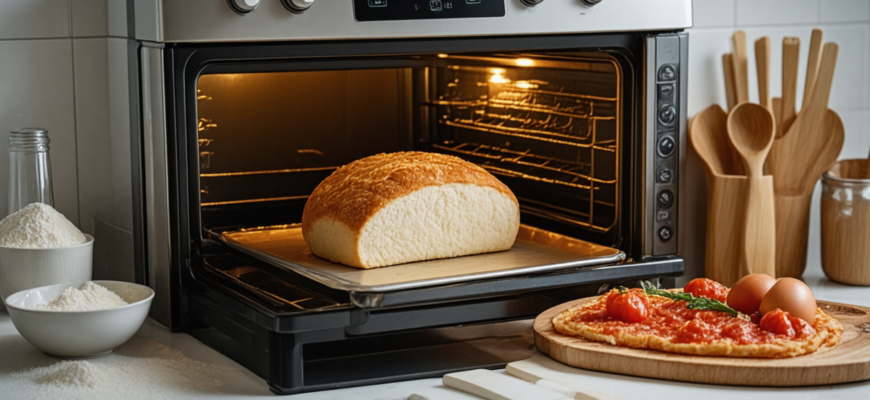
Baking is an art as much as it is a science. The difference between a perfectly baked pizza and a burnt crust often comes down to choosing the correct oven temperature. Whether you’re an aspiring home baker or a seasoned chef, understanding how temperature influences baking results can elevate your culinary creations to new heights. This comprehensive guide explores the nuances of selecting the optimal oven temperature, with specific insights tailored to baking pizzas of all styles, from thin crust to deep-dish, and covering both traditional and modern baking methods.
- Understanding the Science Behind Oven Temperatures
- Heat Transfer Mechanisms in Baking
- Impact of Oven Temperature on Baking Outcomes
- Optimal Temperatures for Different Types of Pizzas
- Thin Crust Pizza
- Neapolitan Pizza
- Deep-Dish Pizza
- Stuffed and Pan Pizzas
- How to Choose the Right Oven Temperature: Step-by-Step Guide
- Step 1: Identify Your Pizza Style
- Step 2: Consider Your Oven Type
- Step 3: Use Proper Tools for High-Temperature Baking
- Step 4: Adjust Baking Time According to Temperature
- Typical Temperature Settings and Baking Times for Pizzas
- Common Mistakes in Selecting Oven Temperature and How to Avoid Them
- Practical Tips for Achieving Perfect Baked Pizzas
- Balancing Temperature for Culinary Excellence
- Additional Resources for Pizza Enthusiasts
Understanding the Science Behind Oven Temperatures
Oven temperature is one of the most critical factors in baking because it directly impacts how heat is transferred to your food. This transfer influences crust development, cheese melting, rise, and even flavor. To grasp how oven temperature affects baking, it’s important to understand the fundamental heat transfer mechanisms:
Heat Transfer Mechanisms in Baking
- Conduction: Direct heat transfer from the hot oven surfaces to the dough or ingredients. Critical for creating a crispy crust.
- Convection: Movement of hot air within the oven circulates heat evenly, ensuring uniform cooking. Modern ovens often have convection settings to enhance this process.
- Radiation: Heat transfer via infrared rays emitted by hot elements, especially relevant at higher temperatures common in pizza baking.
Impact of Oven Temperature on Baking Outcomes
The choice of oven temperature influences various aspects of baked goods:
| Aspect | Low Temperature (150-180°C / 300-356°F) | Medium Temperature (180-220°C / 356-428°F) | High Temperature (220-300°C / 428-572°F) |
|---|---|---|---|
| Crust Development | Soft, chewy, less crispy | Balanced crust with some crispness | Very crispy, often charred if not monitored |
| Rise and Puffiness | Limited rise; slow development | Optimal for proper rising | Rapid rise, risk of burning before fully cooking |
| Internal Texture | Gooey or undercooked | Fully cooked, tender interior | Potential burnt exterior with undercooked interior if too high |
| Flavor Development | Less caramelization; milder flavors | Rich flavor profile with some caramelization | Strong caramelization; potential for bitter flavors if overheated |
Optimal Temperatures for Different Types of Pizzas
Different pizza styles require specific oven temperatures to achieve ideal crust, toppings, and overall balance. Here’s a detailed look at popular pizza varieties:
Thin Crust Pizza
For thin, crispy crusts, high temperatures are essential. Usually baked at:
- Temperature Range: 250°C to 300°C (482°F to 572°F)
- Benefits: Crispy crust with minimal toppings burning, quick cooking time (~7-10 minutes)
Neapolitan Pizza
Legendary for its soft, airy crust and minimal toppings, this style requires extreme heat:
- Temperature Range: 450°C to 500°C (842°F to 932°F), traditionally in a wood-fired oven
- Benefits: Achieves characteristic charred yet tender crust within 90 seconds to 2 minutes
Deep-Dish Pizza
Thick crusts with substantial toppings need lower, longer baking:
- Temperature Range: 180°C to 200°C (356°F to 392°F)
- Benefits: Ensures thorough cooking of the crust and toppings without burning the outer layer, baking time usually 25-30 minutes
Stuffed and Pan Pizzas
Similar to deep-dish but with stuffed crusts or toppings in pans:
- Temperature Range: 200°C to 220°C (392°F to 464°F)
- Benefits: Even and thorough baking, prevents sogginess
How to Choose the Right Oven Temperature: Step-by-Step Guide
Step 1: Identify Your Pizza Style
Each pizza style demands specific temperature conditions for optimal results. Decide on the style you plan to bake before setting the oven.
Step 2: Consider Your Oven Type
Traditional home ovens, convection ovens, brick ovens, and pizza ovens have different heat distributions, influencing your temperature choice:
- Conventional Ovens: Use higher temperatures with preheated stones or steels for best crust.
- Convection Ovens: Circulate hot air, often allow slightly lower temperatures due to enhanced heat transfer.
- Wood-fired and Brick Ovens: Achieve extremely high temperatures naturally, ideal for authentic Neapolitan pizza.
Step 3: Use Proper Tools for High-Temperature Baking
To achieve and sustain the desired high temperatures, incorporate tools like:
- Pizza stones or steels for heat retention and even baking
- Infrared thermometers to monitor surface and internal temperatures
- Preheated oven with adequate time for temperature stabilization (at least 30 minutes)
Step 4: Adjust Baking Time According to Temperature
Generally, higher temperatures shorten baking time, while lower temperatures extend it. Be attentive to visual cues and crust color to avoid burning or undercooking.
Typical Temperature Settings and Baking Times for Pizzas
| Oven Temperature (°C / °F) | Pizza Style | Approximate Baking Time |
|---|---|---|
| 250-300°C / 482-572°F | Neapolitan, thin crust | 90 seconds to 3 minutes |
| 200-250°C / 392-482°F | New York-style, traditional thin crust | 7-15 minutes |
| 180-200°C / 356-392°F | Deep-dish, pan pizzas | 25-30 minutes |
| 450-500°C / 842-932°F | Neapolitan, wood-fired | 90 seconds to 2 minutes |
Common Mistakes in Selecting Oven Temperature and How to Avoid Them
- Overheating the Oven: Leads to burnt toppings and charred crust. Ensure proper preheating and monitor the crust color.
- Using Too Low Temperatures: Causes undercooked dough, soggy crust, and poor flavor development. Use higher temps for thin crusts.
- Inconsistent Heat Distribution: Can result in uneven baking. Use pizza stones or steels, and rotate pizzas during baking.
- Neglecting Oven Calibration: Regularly check your oven’s actual temperature with a thermometer to ensure accuracy.
Practical Tips for Achieving Perfect Baked Pizzas
- Preheat the Oven: Allow at least 30 minutes for the oven and baking surface to reach the desired temperature.
- Use a Pizza Stone or Steel: These tools absorb and retain heat, replicating brick oven conditions for crispier crusts.
- Proper Dough Preparation: Use recipes that match your baking temperature. High-temperature baked pizzas typically require dough with higher hydration for elasticity.
- Monitor Toppings: Arrange toppings carefully to prevent burning and ensure even cooking.
- Visual Cues: Look for crust browning and bubbling cheese as indicators of readiness.
Balancing Temperature for Culinary Excellence
Choosing the correct oven temperature is fundamental to mastering pizza baking, but it involves balancing multiple factors: pizza style, oven type, baking tools, and personal preferences. High temperatures are essential for authentic styles like Neapolitan, while moderate and lower temperatures suit thicker, more substantial pizzas. Understanding how temperature influences the baking process enables bakers to control results reliably, ensuring a crispy crust, well-melted cheese, and perfectly cooked toppings every time. Experimentation and attention to detail are key to discovering the optimal settings tailored to individual ovens and recipes, ultimately elevating homemade pizzas to professional levels.
Additional Resources for Pizza Enthusiasts
- Ultimate Guide to Pizza Dough Preparation
- Top 10 Pizza Baking Tips from Professionals
- Comparing Oven Types for Pizza Baking
By understanding and applying the principles outlined in this guide, home bakers and professionals alike can unlock the full potential of their ovens and achieve pizzas with restaurant-quality crusts and flavors. Remember, the journey to perfect baking is a continuous process of learning and adaptation—so keep experimenting with temperatures, baking times, and techniques to discover your ideal pizza every time.
Похожие записи:
 Mastering Restaurant-Quality Pizzas at Home: The Ultimate Guide to Using a Pizza Stone
  The Technological Innovations in Pizza Baking Techniques: Transforming Tradition into Modern Masterpieces
  Choosing the Perfect Flour for Flawless Pizza Dough: A Complete Guide
  Discover the Perfect Georgian Mchadi with Toppings: A Delicious Traditional Bread to Complement Every Meal
  Sicilian Pizza: A Delicious Dive into Thick, Square Slices and Its Rich History
  Roman Pizza al Taglio and Its Rectangular Slices: A Deep Dive into Tradition, Technique, and Tastes
  Swedish Spritz with Its Thin Crust and Savory Toppings: A Delicious Twist in Pizza Styles
  Belgian Tarte Flambée: The Crisp and Delicious Classic
  Armenian Lahmajoon with Spicy Meat Topping: A Delicious Taste of Tradition
 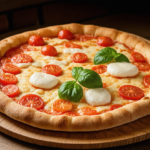 Neapolitan Pizza: The Art of Authentic Preparation
  French Pissaladière with Caramelized Onions and Anchovies: A Classic Cuisine Delight
  The Evolution of New York Thin-Crust Pizza: A Culinary Heritage of Flavor and Tradition
  Lebanese Manakish with Za’atar and Cheese: A Delicious Twist on Traditional Pizzas
  Unlocking Flavor: The Art of Incorporating Herbs and Spices into Pizza for a Burst of Taste
  New York-Style Thin Crust Pizza: The Iconic Street Food of the Big Apple
  Margarita Pizza: Italy’s Timeless Classic