
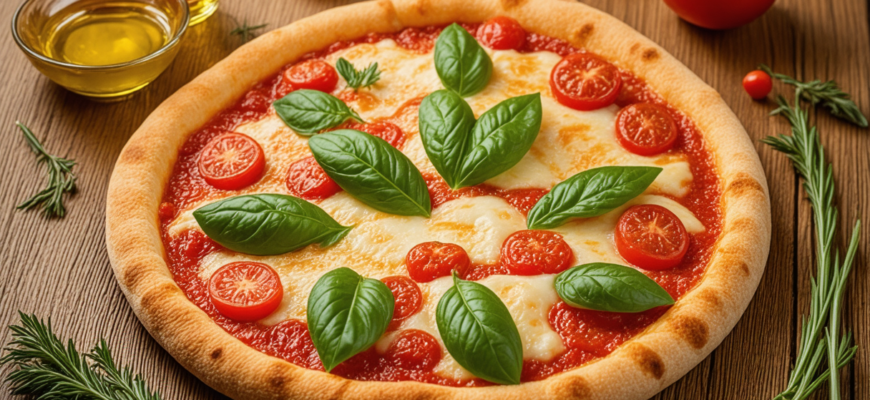
Pizza, one of the most beloved dishes worldwide, offers a versatile canvas for culinary creativity. From classic Margherita to inventive gourmet options, toppings play a pivotal role in defining each pizza’s unique flavor profile. Among the numerous toppings available, fresh herbs—especially basil—stand out for their ability to elevate a simple pizza into a culinary masterpiece. This comprehensive guide explores the significance of herbs and basil in pizza making, their historical roots, best practices for usage, and creative ways to incorporate them for an impeccable finishing touch.
- Introduction to Herbs in Pizza Making
- The Role of Basil in Pizza
- Historical Significance of Basil
- Basil Varieties and Their Uses
- Why Use Fresh Herbs and Basil on Pizza?
- Best Practices for Using Herbs and Basil on Pizza
- Timing of Adding Herbs
- Preparation Tips
- Proper Storage of Herbs
- Creative Uses of Herbs and Basil in Pizza Recipes
- Classic Margherita with Fresh Basil
- Herb-Infused White Pizzas
- Gourmet Pizzas with Mixed Herbs
- Spicy Herb Pizza
- Examples of Herb and Basil Combinations for Different Pizza Styles
- Formulas and Tips for Perfect Herb Garnishing
- Herb Garnishing Formula
- Tips for Aesthetic Herb Placement
- Health Benefits of Using Herbs and Basil
- Final Tips for Pizza Enthusiasts
Introduction to Herbs in Pizza Making
Herbs have been used in culinary traditions for centuries, valued not only for their aromatic qualities but also for their health benefits. When it comes to pizza, herbs contribute fresh, vibrant flavors that complement the richness of cheese, the acidity of tomato sauce, and the aroma of baked dough. Fresh herbs are particularly favored for their lively tastes and visual appeal, providing a burst of flavor right at the final stage of cooking or as a finishing touch.
The Role of Basil in Pizza
Historical Significance of Basil
Basil (Ocimum basilicum) traces its origins to South Asia and Africa, but it became a symbol of Italian cuisine, especially in the region of Naples. Historically, basil was regarded as a medicinal herb, believed to bring protection and good fortune. Over time, it seamlessly integrated into culinary traditions, culminating in the iconic Neapolitan pizza. The simple yet aromatic basil leaves now epitomize the flavor profile of classic Margherita pizza, symbolizing Italy’s rich gastronomic heritage.
Basil Varieties and Their Uses
| Variety | Description | Flavor Profile | Best Uses |
|---|---|---|---|
| Genovese Basil | Most common in culinary use, with large, tender leaves | Sweet, aromatic, with hints of mint and anise | Fresh toppings, pesto, salads, pizzas |
| Thai Basil | Has purple stems and smaller leaves with a slightly spicy taste | Peppery, licorice-like | Innovative pizza flavors with Asian influences |
| Purple Basil | Distinct purple leaves, slightly milder than green basil | Sweet with subtle pepper notes | Colorful garnishes, salads, and finished pizzas |
| Lemon Basil | Fragrant with a lemon scent | Citrusy, refreshing | Light, summer pizza varieties |
Why Use Fresh Herbs and Basil on Pizza?
Incorporating fresh herbs like basil into pizza offers several benefits:
- Enhanced Flavor: Fresh herbs impart vibrant, complex flavors that dried herbs cannot replicate.
- Visual Appeal: Bright green leaves add a fresh and appetizing look.
- Health Benefits: Herbs contain antioxidants, vitamins, and other nutrients beneficial for health.
- Aromatic Experience: The aroma of freshly added herbs stimulates appetite and enhances overall dining experience.
Best Practices for Using Herbs and Basil on Pizza
Timing of Adding Herbs
Knowing when to add herbs is crucial for maximizing their flavor and preserving their delicate qualities. There are two main approaches:
- Adding Before Baking: Small, hardy herbs like oregano or rosemary can be sprinkled before baking for infusion.
- Adding After Baking: Delicate herbs such as basil and parsley should be added after the pizza is out of the oven to retain their flavor and aroma.
Preparation Tips
- Use Whole Leaves or Chopped Fresh Herbs: For basil, whole leaves and thinly sliced leaves are common choices.
- Gently Rub Basil Leaves: To release more aromatic oils, gently crush or rub basil leaves before adding.
- Avoid Overcrowding: Too many herbs can overpower the other flavors; balance is key.
Proper Storage of Herbs
Fresh herbs should be stored properly to maintain their freshness:
| Herb | Storage Method | Duration |
|---|---|---|
| Basil | Wrapped in a damp paper towel in a plastic bag or jar in the refrigerator | Up to 5-7 days |
| Other herbs | In water like flowers, wrapped in a damp cloth, or in airtight containers | Varies, generally 1-2 weeks |
Creative Uses of Herbs and Basil in Pizza Recipes
Classic Margherita with Fresh Basil
The quintessential example where basil is essential. Spread high-quality tomato sauce over pizza dough, add fresh mozzarella, bake until golden, and then garnish with generous basil leaves. Finish with a drizzle of olive oil for an authentic taste.
Herb-Infused White Pizzas
White pizzas often lack tomato sauce and rely on herbs for flavor. Use a mixture of herbs like oregano, thyme, and basil on top of cheese, then add fresh basil after baking for a fragrant finish.
Gourmet Pizzas with Mixed Herbs
Combine rosemary, thyme, oregano, and basil for a multi-layered flavor. Herbs can be added during baking or as finishing touches, creating depth and complexity.
Spicy Herb Pizza
Incorporate spicy herbs such as Thai basil, combined with chili flakes, to craft a fiery, aromatic pizza. Add basil after baking to preserve its flavor.
Examples of Herb and Basil Combinations for Different Pizza Styles
| Pizza Style | Herb & Basil Combinations | Description |
|---|---|---|
| Italian Classic | Genovese basil, oregano, thyme | Clean, fragrant, traditional flavor profile |
| Vegetarian Delight | Peppery parsley, basil, chives | Fresh, bright, suitable for vegans and vegetarians |
| Gourmet & Fusion | Thai basil, cilantro, mint | Exotic, lively, influenced by Asian cuisines |
| Summer Special | Lemon basil, basil, mint | Refreshing, light, perfect for hot days |
Formulas and Tips for Perfect Herb Garnishing
Herb Garnishing Formula
An easy approach to herb garnishing involves:
Final Herb Garnish = Fresh Herb Leaves (Whole or Chopped) + Light Drizzle of Olive Oil + Optional Lemon Zest
This formula ensures maximum flavor release and visual appeal.
Tips for Aesthetic Herb Placement
- Arrange herbs artistically on top in small clusters or individual leaves.
- Use scissors or a sharp knife to chiffonade herbs for delicate finishing.
- Consider contrasting colors, such as purple basil on green toppings, for visual interest.
Health Benefits of Using Herbs and Basil
Adding fresh herbs to pizza is not only about taste but also about nutrition. Basil, for example, is rich in essential oils and antioxidants, which can help reduce inflammation. Herbs like oregano and thyme contain antimicrobial properties. Incorporating herbs into your pizza enhances immune support and adds a natural flavor without extra calories or artificial additives.
Incorporating herbs, especially basil, as a finishing touch on pizza can dramatically enhance its flavor, aroma, and aesthetic appeal. The key lies in understanding the right timing, preparation, and combinations to unlock the full potential of these aromatic plants. Whether used in traditional recipes like Margherita or innovative fusion creations, fresh herbs are an indispensable element in achieving a perfect, gourmet pizza experience. Experimenting with different varieties and herb pairings allows each pizza to become a unique culinary creation that delights the senses and elevates the dining act to an art form.
Final Tips for Pizza Enthusiasts
- Always use fresh herbs for maximum flavor and aroma.
- Place delicate herbs like basil only after baking to preserve their properties.
- Combine herbs thoughtfully to match the pizza’s flavor profile and style.
- Store herbs properly to ensure freshness until ready to use.
- Get creative with herb combinations to explore new taste sensations.
Embracing the art of herbal finishing can transform even the simplest pizza into a sophisticated culinary masterpiece. So, whether preparing a casual family dinner or a gourmet pizza for guests, the strategic use of herbs and basil guarantees an unforgettable taste experience.
Похожие записи:
 Unlocking Flavor: The Art of Incorporating Herbs and Spices into Pizza for a Burst of Taste
  Armenian Lahmajoon with Spicy Meat Topping: A Delicious Taste of Tradition
  The Technological Innovations in Pizza Baking Techniques: Transforming Tradition into Modern Masterpieces
  The Role of Technology in Pizza Delivery Innovations: Transforming the Culinary Experience
  Croatian Pizza with Mediterranean Influences: A Culinary Journey
  Creative Ways to Make Gluten-Free Pizza Crusts: Elevate Your Pizza Experience
  Mastering Vegan and Vegetarian Pizza: Delicious Recipes and Culinary Inspiration
  Incorporating Smokey and Spicy Elements for a Bold Taste in Pizza: A Culinary Guide
  Neapolitan Pizza: The Art of Authentic Preparation
  Using a Grill to Achieve Smoky-Flavored Pizzas: The Ultimate Guide for Pizza Enthusiasts
  Creating Flavorful and Colorful Veggie-Based Pizzas: A Guide to Delicious, Healthy, and Vibrant Pies
  Choosing the Right Cheese Blends for Melting Excellence: The Ultimate Guide
  Mastering the Art of Stuffed Crusts: Techniques for Making Delicious Pizzas at Home
  The Evolution of Pizza Sauce Recipes Over Time: A Delicious Journey Through History
  Mastering the Art of Pizza Parties: How to Host an Unforgettable Pizza-Making Gathering at Home
  Perfectly Pairing Your Pizza with Delicious Side Dishes: A Complete Guide