
When it comes to crafting the perfect pizza, every detail matters—from the dough and sauce to the choice of toppings. Among these, toppings play a pivotal role in defining the flavor profile, texture, and overall sensory experience of the final masterpiece. Among the options available, the debate between using fresh and canned toppings remains a common question among home cooks and professional chefs alike. Which provides better flavor? Are there specific toppings better suited for fresh or canned preparation? This comprehensive guide delves into the nuances of fresh versus canned toppings, their advantages and disadvantages, and how to make the best choices for every pizza creation.
- Understanding the Basics: Fresh vs Canned Toppings
- What are Fresh Toppings?
- What are Canned Toppings?
- Comparative Analysis: Fresh vs Canned Toppings
- Advantages and Disadvantages of Fresh Toppings
- Advantages
- Disadvantages
- Advantages and Disadvantages of Canned Toppings
- Advantages
- Disadvantages
- Key Factors to Consider When Choosing Toppings
- Type of Pizza
- Flavor Profile
- Seasonality and Cost
- Preparation and Convenience
- Best Practices for Using Fresh and Canned Toppings
- Maximizing Flavor with Fresh Toppings
- Enhancing Canned Toppings
- Practical Tips and Recipes
- Recipe Ideas with Fresh Toppings
- Recipe Ideas with Canned Toppings
- Scientific Perspective: How Do Preservation Methods Affect Flavor?
- Chemical Changes During Canning
- Fresh vs Canned: Nutritional Comparison
- Summary: Choosing the Right Topping for Your Perfect Pizza
- Closing Thoughts
Understanding the Basics: Fresh vs Canned Toppings
What are Fresh Toppings?
Fresh toppings refer to ingredients that are harvested, prepared, and used in their natural, unprocessed state. Common examples include fresh tomatoes, basil, bell peppers, onions, mushrooms, and various herbs. These ingredients are often purchased fresh from markets or directly harvested from gardens, ensuring maximum vitamin content, flavor, and texture. Fresh toppings are appreciated for their vibrant flavors, crisp textures, and aromatic qualities, which bring a lively freshness to the pizza.
What are Canned Toppings?
Canned toppings are preserved ingredients processed and stored in cans or jars, allowing for long-term storage and convenience. Typical canned toppings include tomatoes (whole or crushed), mushrooms, corn, olives, and anchovies. The preservation process often involves blanching, canning in liquids like brine or oil, and sterilization, which can slightly alter the flavor and texture of the original ingredient. Canned toppings are favored for their availability year-round, consistent quality, and ease of use.
Comparative Analysis: Fresh vs Canned Toppings
| Criteria | Fresh Toppings | Canned Toppings |
|---|---|---|
| Flavor | Vibrant, natural, and often more nuanced | Can be slightly muted or altered due to preservation process |
| Texture | Crisp, tender, or juicy, depending on ingredient | Often softer; may include some liquid content |
| Flavor Retention | High when used fresh; oxidation can decrease quality over time | Flavor may be affected slightly by canning process but remains stable over time |
| Availability | Seasonal; may have limited shelf life | Available year-round; long shelf life |
| Preparation Time | Requires washing, peeling, chopping | Usually ready to use, just open and add |
| Cost | Often more expensive, especially out of season | More affordable, particularly off-season |
| Preservation | Fresh; limited shelf life | Long-term preservation thanks to canning process |
Advantages and Disadvantages of Fresh Toppings
Advantages
- Superior flavor: Fresh ingredients offer a natural, vibrant taste that enhances pizza complexity.
- Better texture: Fresh toppings provide crispness and juiciness, making the pizza more appealing.
- Rich aroma: The natural scents of fresh herbs and produce significantly elevate sensory experience.
- Versatility: Easier to customize, season, and prepare exactly as desired.
Disadvantages
- Limited availability: Seasonal and region-dependent, affecting availability and price.
- Short shelf life: Faster deterioration, requiring prompt use or preservation.
- Preparation time: Often needs additional chopping or cleaning before use.
- Cost: Can be more expensive, especially for out-of-season produce.
Advantages and Disadvantages of Canned Toppings
Advantages
- Long shelf life: Suitable for stockpiling and emergency supplies.
- Consistent quality: Bulk production ensures uniformity.
- Convenience: Ready to use straight from the can, saving preparation time.
- Cost-effective: Generally cheaper, especially when out of season.
Disadvantages
- Altered flavor: May have a more subdued taste due to preservation process, sometimes accompanied by metallic or preserved flavor notes.
- Texture compromises: Canned ingredients may lose some of their original textures, becoming softer or mushy.
- Limited freshness aroma: Canning can diminish aromatic qualities of herbs and produce.
- Processing concerns: Possible presence of added preservatives, sodium, or artificial flavor enhancers.
Key Factors to Consider When Choosing Toppings
Type of Pizza
The choice between fresh and canned toppings largely depends on the style of pizza you aim to create. For example:
- Neapolitan or gourmet pizzas: Best with fresh toppings to highlight natural flavors.
- Simple everyday or quick pizzas: Canned toppings offer convenience without compromising the overall flavor significantly.
- Vegetarian or vegan options: Fresh vegetables and herbs often provide a cleaner, more vibrant flavor profile.
Flavor Profile
Fresh ingredients usually contribute a more complex and vibrant flavor, ideal for high-quality, artisanal pizzas. Conversely, canned toppings can be suitable for more subdued or baked-in flavors, especially when the ingredient’s freshness is less critical.
Seasonality and Cost
In-season produce is generally more flavorful and affordable, favoring fresh toppings. Off-season or imported ingredients may be costlier, and canned options might be more economical and readily available.
Preparation and Convenience
For those short on time or seeking a straightforward cooking process, canned toppings offer prime convenience. Fresh toppings require additional preparation but reward with superior taste and texture.
Best Practices for Using Fresh and Canned Toppings
Maximizing Flavor with Fresh Toppings
- Select quality produce: Choose ripe, firm, and fresh items.
- Proper washing and preparation: Rinse thoroughly and peel or chop as necessary.
- Seasoning: Add herbs, salt, or olive oil to enhance natural flavors.
- Use wisely: Avoid overloading; let some ingredients shine.
Enhancing Canned Toppings
- Drain excess liquid: Reduce sogginess and concentrate flavors.
- Rinse when appropriate: To reduce sodium or preservative taste.
- Adding fresh herbs or spices: Boost flavor and aroma before adding to pizza.
- Simmer or bake: Incorporate cooking techniques that improve texture and flavor integration.
Practical Tips and Recipes
Recipe Ideas with Fresh Toppings
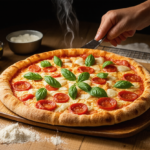
- Margherita Pizza: Tomato slices, fresh basil, mozzarella, olive oil.
- Vegetable Medley: Bell peppers, onions, mushrooms, zucchini, topped with fresh herbs.
- Herb-Infused Pizza: Use freshly chopped basil, oregano, and thyme for a fragrant finish.
Recipe Ideas with Canned Toppings
- Simple Tomato & Basil Pizza: Canned crushed tomatoes, herbs, cheese, and a sprinkle of garlic powder.
- Mushroom & Olive Pizza: Canned mushrooms and olives topped with cheese and baked until golden.
- Spicy Anchovy Pizza: Canned anchovies, garlic, chili flakes, and mozzarella for a punchy flavor.
Scientific Perspective: How Do Preservation Methods Affect Flavor?
Chemical Changes During Canning
The canning process involves subjecting ingredients to heat treatment, which can induce chemical reactions affecting flavor compounds. For example:
- Maillard reactions: Slightly altered flavor profiles.
- Loss of volatile aromatics: Reduced aromatic intensity, especially in herbs and delicate produce.
- Preservation of acidity: Ensures microbial stability but can influence taste.
Fresh vs Canned: Nutritional Comparison
| Nutrient | Fresh Toppings | Canned Toppings |
|---|---|---|
| Vitamin C | High, especially immediately after harvest | Reduced due to heat processing and storage |
| Minerals | Retained well | Similar to fresh after processing |
| Antioxidants | High, but can degrade over time | Varies depending on preservation method |
Summary: Choosing the Right Topping for Your Perfect Pizza
In conclusion, both fresh and canned toppings hold unique advantages that can be leveraged depending on the desired outcome, available resources, and specific pizza style. Fresh toppings deliver a vibrant flavor, delightful texture, and aromatic profile, best suited for gourmet, high-quality, or seasonal pizzas. Canned toppings offer convenience, year-round availability, and cost-effectiveness, making them suitable for quick, hearty, or everyday pizza recipes.
To optimize flavor, consider the type of topping, freshness, seasonality, and the cooking process. Proper preparation and seasoning of both fresh and canned ingredients can significantly enhance the final taste. Ultimately, the choice depends on personal preferences, dietary considerations, and the particular culinary experience aimed for in each pizza creation.
Closing Thoughts
Experimenting with both fresh and canned toppings allows pizza enthusiasts to discover new flavor combinations and textures. A balanced approach, using fresh ingredients when possible and reliable canned options when needed, opens the door to endless possibilities for crafting delicious, memorable pizzas tailored to all tastes.
Похожие записи:
 Choosing the Perfect Flour for Flawless Pizza Dough: A Complete Guide
  Perfectly Pairing Your Pizza with Delicious Side Dishes: A Complete Guide
  Pesto and Cherry Tomato for a Fresh and Vibrant Presentation: Elevate Your Pizza Masterpieces
  Balancing Macronutrients in Homemade Pizza Recipes: A Complete Guide
  Sweet Corn, Monterey Jack, and Chopped Jalapeños for a Crunchy Kick: Elevate Your Pizza Game
  Classic Pepperoni Pizza with Fresh Sliced Peppers and Oregano: A Delicious Classic with a Fresh Twist
  Ultimate Guide: Tips for Storing Leftover Pizza Without Losing Quality
  Using Herbs and Basil for a Fresh Topping Finish: Transforming Your Pizza
  Unlocking Flavor: The Art of Incorporating Herbs and Spices into Pizza for a Burst of Taste
  Creating Flavorful and Colorful Veggie-Based Pizzas: A Guide to Delicious, Healthy, and Vibrant Pies
  Creative Ways to Make Gluten-Free Pizza Crusts: Elevate Your Pizza Experience
  Mastering Restaurant-Quality Pizzas at Home: The Ultimate Guide to Using a Pizza Stone
  Using a Grill to Achieve Smoky-Flavored Pizzas: The Ultimate Guide for Pizza Enthusiasts
  Incorporating Smokey and Spicy Elements for a Bold Taste in Pizza: A Culinary Guide
  Ultimate Guide: Tips for Cooking Different Styles of Pizza at Home
  Ultimate Guide to Troubleshooting Common Pizza Baking Problems: Tips & Solutions