
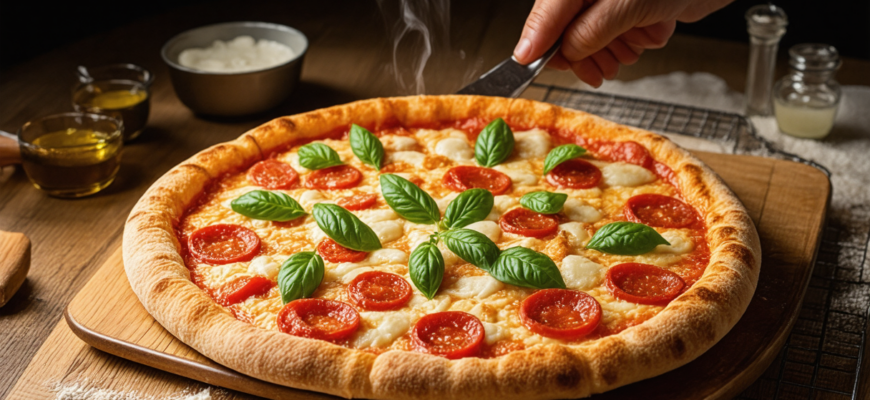
Pizza is one of the most beloved culinary delights worldwide, loved for its versatility, rich flavors, and satisfying texture. However, even experienced home bakers sometimes face challenges with achieving that perfect crispy crust, gooey cheese, and balanced toppings. In this comprehensive guide, explore the most common issues encountered during pizza baking and learn practical solutions to troubleshoot and perfect your pizza-making skills.
- Understanding the Basics of Pizza Baking
- Common Pizza Baking Problems and Their Solutions
- 1. The Crust is Too Hard or Burned
- Possible Causes:
- Solutions:
- 2. The Crust is Soggy or Doughy
- Possible Causes:
- Solutions:
- 3. Cheese Is Overly Greasy or Not Melting Properly
- Possible Causes:
- Solutions:
- 4. Toppings Are Under-cooked or Over-cooked
- Possible Causes:
- Solutions:
- 5. The Pizza Sticks to the Baking Surface
- Possible Causes:
- Solutions:
- Formulas and Tables to Improve Your Pizza Baking
- Oven Temperature vs. Baking Time Comparison
- Basic Pizza Dough Recipe Formula
- Additional Tips for Perfect Pizza Baking
Understanding the Basics of Pizza Baking
Before addressing specific problems, it is essential to understand the fundamental principles that determine the quality of a homemade pizza. The key elements include:
- Dough preparation — the foundation; influences texture and strength.
- Sauce and toppings — flavor layers that also affect cooking time and moisture.
- Cooking temperature and time — critical to achieving the desired crust and topping doneness.
Each component can affect the final result, and troubleshooting often involves tweaking these factors. Now, let’s delve into common issues encountered and how to resolve them effectively.
Common Pizza Baking Problems and Their Solutions
1. The Crust is Too Hard or Burned
Possible Causes:
- Too high oven temperature, especially when baking directly on a hot surface.
- Overbaking or baking for too long.
- Thin crust with insufficient dough elasticity.
- Using too much flour or inadequate stretch during dough preparation.
Solutions:
- Adjust oven temperature: Use a moderate temperature (around 230–250°C) and monitor closely.
- Control baking time: Check oven regularly and remove the pizza as soon as the crust turns golden brown.
- Proper dough handling: Ensure correct kneading to develop gluten, which contributes to elasticity and tenderness.
- Use of pizza stones or steel plates: They distribute heat evenly, preventing hot spots that cause burning.
2. The Crust is Soggy or Doughy
Possible Causes:
- Excess moisture from sauce or toppings.
- Insufficient pre-baking (blind baking) of the crust.
- Baking at too low a temperature or for too short a duration.
- Using thick or under-proofed dough.
Solutions:
- Drain moisture-heavy toppings: Pre-cook vegetables and reduce sauce thickness.
- Pre-bake the crust: Bake the dough for 5–7 minutes before adding toppings.
- Increase baking temperature: Bake at higher heat for a shorter period to crisp the crust.
- Use proper dough proofing: Ensure proper rise times for a light, airy crust.
3. Cheese Is Overly Greasy or Not Melting Properly
Possible Causes:
- Using cheese with high moisture content or low-quality cheese.
- Cooking at too high a temperature causing cheese to brown excessively before melting.
- Incorrect cheese placement or thin cheese layer.
Solutions:
- Select quality cheese: Use mozzarella with moderate moisture, or blend with semi-hard cheeses.
- Adjust oven temperature: Bake at a temperature that allows even melting without burning.
- Proper cheese distribution: Spread toppings evenly and avoid overloading to promote uniform melting.
- Consider cheese substitutes: Mix mozzarella with a small amount of Parmesan or provolone for better melting and flavor balance.
4. Toppings Are Under-cooked or Over-cooked
Possible Causes:
- Adding delicate toppings late in the baking process.
- Overloading the pizza, preventing even cooking.
- Inappropriate oven temperature or bake time for toppings.
Solutions:
- Pre-cook or pre-toast toppings: Vegetables, meats, or other dense ingredients should be partially cooked beforehand.
- Use appropriate bake time: Add toppings at different stages if necessary, or bake at higher temperatures for shorter times.
- Distribute toppings evenly and sparingly: Avoid overcrowding to ensure all parts cook uniformly.
5. The Pizza Sticks to the Baking Surface
Possible Causes:
- Inadequate use of flour, cornmeal, or parchment paper.
- Oven temperature too low, causing sticking and slow baking.
- Unprepared baking surface or dough not adequately rested.
Solutions:
- Use a dusting of flour, cornmeal, or parchment paper: Prevent sticking during baking.
- Preheat the baking surface: Use a pizza stone or steel preheated to high temperature.
- Proper dough handling: Rest dough sufficiently and avoid overworking.
Formulas and Tables to Improve Your Pizza Baking
Oven Temperature vs. Baking Time Comparison
| Temperature (°C) | Optimal Baking Time (minutes) | Description |
|---|---|---|
| 230°C | 10–12 | Good balance for home ovens, crisp crust with well-melted cheese. |
| 250°C | 8–10 | High heat for authentic pizzeria-style pizza with a thin crust. |
| 280°C | 6–8 | Extreme heat, suitable for pizza ovens or steel surfaces for rapid baking. |
Basic Pizza Dough Recipe Formula
For those looking to perfect their dough, here’s a standard formula (per 500g flour):
- Flour: 100% (typically 500g)
- Water: 60–65% (300–325g)
- Salt: 2% (10g)
- Yeast: 1–2% (5–10g)
- Olive oil: 2–3% (10–15g)
Including all ingredients in proper proportions and kneading thoroughly ensures a resilient, elastic dough that is less prone to problems.
Additional Tips for Perfect Pizza Baking
- Preheat your oven thoroughly: At least 30 minutes before baking.
- Use a pizza stone or steel: These materials simulate brick ovens and improve crust texture.
- Control humidity: Lower humidity environments help crust crispness.
- Experiment with baking times and temperatures: Adjust based on your oven’s specific characteristics.
- Let the pizza rest after baking: A few minutes before slicing enhances flavor and texture.
Achieving the perfect pizza involves balancing multiple factors, from dough quality and toppings to oven settings and baking techniques. Recognizing common problems and employing proven troubleshooting methods can vastly improve your results. Remember, practice, patience, and a willingness to experiment are essential components of the art of pizza baking. With these guidelines, even novice bakers can elevate their pizza-making skills and delight family and friends with homemade masterpieces every time.
Похожие записи:
 Ultimate Guide: Tips for Cooking Different Styles of Pizza at Home
  Mastering Restaurant-Quality Pizzas at Home: The Ultimate Guide to Using a Pizza Stone
  Using a Grill to Achieve Smoky-Flavored Pizzas: The Ultimate Guide for Pizza Enthusiasts
  Mastering Oven Temperatures: The Key to Perfect Baking Every Time
  Choosing the Perfect Flour for Flawless Pizza Dough: A Complete Guide
  The Technological Innovations in Pizza Baking Techniques: Transforming Tradition into Modern Masterpieces
  Mastering Gluten-Free and Keto-Friendly Pizza Bases: Delicious Recipes and Tips
  Mastering the Art of Evenly Cooked Pizza Toppings Without Burning the Crust
  Mastering Pizza Craft: How to Use a Pizza Peel for Effortless Oven Transfer
  Mastering Thin-Crust Pizza: Secrets to Achieve Perfect Crispiness and Tenderness
  Creative Ways to Make Gluten-Free Pizza Crusts: Elevate Your Pizza Experience
  Mastering Pizza Transfers: How Parchment Paper Simplifies Your Cooking Process
  Mastering Vegan and Vegetarian Pizza: Delicious Recipes and Culinary Inspiration
  The Rise of Gluten-Free and Vegan Pizza Options: A Delicious Revolution
  Unlocking Flavor: The Art of Incorporating Herbs and Spices into Pizza for a Burst of Taste
  Mastering the Art of Stuffed Crusts: Techniques for Making Delicious Pizzas at Home