
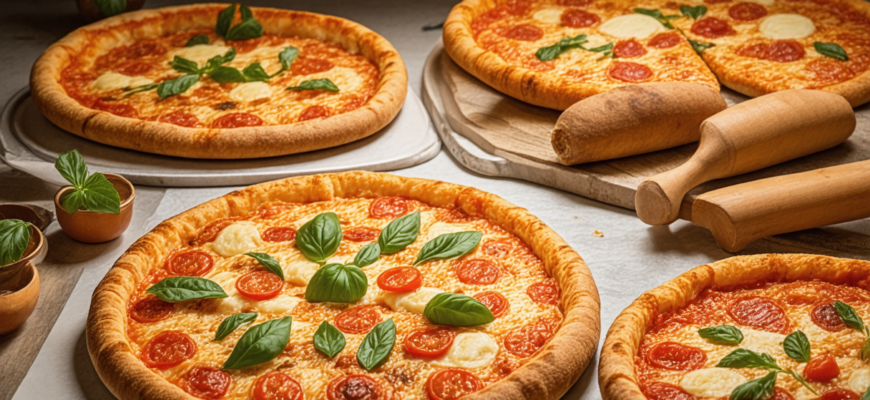
Pizza, a beloved dish adored worldwide, has a rich history and countless variations that cater to every taste. Whether you prefer a thin and crispy Neapolitan, a thick and hearty Sicilian, a stuffed gourmet pie, or international twists like Turkish pide or Roman-style pizza, mastering the art of making different styles at home can bring joy, creativity, and deliciousness to your kitchen. This comprehensive guide provides detailed tips, recipes, and techniques to help home cooks confidently prepare various pizza styles that rival pizzerias.
- Understanding the Foundations of Pizza Making
- Key Ingredients for Authentic Pizza
- Basic Dough Preparation Rules
- Exploring Different Styles of Pizza
- 1. Neapolitan Pizza
- Key Features:
- Tips for Home Preparation:
- 2. New York-Style Pizza
- Key Features:
- Tips for Home Preparation:
- 3. Sicilian Pizza
- Key Features:
- Tips for Home Preparation:
- 4. Quattro Stagioni (Four Seasons)
- Tips for Home Preparation:
- 5. Gourmet Stuffed Pizza
- Key Features:
- Tips for Home Preparation:
- 6. International Variations
- Pide (Turkish style)
- Roman-Style Pizza
- Tips for International Styles:
- Essential Tips for Perfecting Your Homemade Pizza
- Choosing the Right Oven and Equipment
- Mastering Dough Stretching and Shaping
- Optimizing Toppings and Assembly
- Baking Techniques for Different Styles
- Nutritional Tips and Ingredient Variations
- Healthier Alternatives
- Vegetarian and Vegan Toppings
- Elevating Home Pizza Making
- References and Additional Resources
Understanding the Foundations of Pizza Making
Key Ingredients for Authentic Pizza
- Flour: High-protein flour (like Italian Tipo 00 or bread flour) for elasticity and chewy texture.
- Water: Hydrates the dough and activates gluten, crucial for texture.
- Yeast: Leavens the dough, creating air pockets and fluffiness.
- Salt: Enhances flavor and controls fermentation.
- Olive Oil: Adds richness and improves dough elasticity.
- Tomatoes: For the sauce, fresh or canned San Marzano are ideal.
- Cheese: Mozzarella is traditional, but other varieties like provolone, ricotta, or Parmesan can be incorporated depending on the style.
Basic Dough Preparation Rules
- Use accurate measurements for consistent results.
- Knead the dough adequately—about 8-12 minutes—to develop gluten.
- Allow sufficient fermentation time (from 1 hour for quick recipes to 48 hours for deep flavor).
- Consider cold fermentation for enhanced flavor complexity and better texture.
Exploring Different Styles of Pizza
1. Neapolitan Pizza
The quintessential Italian pizza, known for its thin, soft, and chewy crust with charred spots. Typically topped simply with fresh ingredients.
Key Features:
- Thin, flexible, slightly chewy crust.
- High-temperature baking (450–500°C) for 60–90 seconds.
- Minimal toppings: fresh mozzarella, basil, olive oil, and San Marzano tomatoes.
Tips for Home Preparation:
- Use a pizza stone or steel to mimic high-temperature ovens.
- Preheat oven and baking surface for at least 45 minutes.
- Stretch dough by hand for authentic irregular shape.
2. New York-Style Pizza
Large, foldable slices with a thin, crispy edge and chewy center. Excellent for casual eating.
Key Features:
- Bigger diameter (up to 40 cm).
- Balance between crispy and chewy.
- Traditional toppings: tomato sauce, mozzarella, and optional toppings.
Tips for Home Preparation:
- Use high-gluten bread flour for strength.
- Cook at 250°C (482°F) using a pizza stone for a crispy crust.
- Spread thin layers of sauce to avoid sogginess.
3. Sicilian Pizza
Thick, rectangular, bread-like pizza with airy crust and often topped with herbs and vegetables.
Key Features:
- Deep-fried or thick, airy base.
- Often baked in a rectangular pan.
- Rich toppings like caramelized onions, anchovies, or sausage.
Tips for Home Preparation:
- Use a sheet pan with high sides.
- Allow dough to rise well to develop thickness.
- Bake at moderate heat (200–220°C) to ensure even cooking.
4. Quattro Stagioni (Four Seasons)
A classic Italian pizza divided into four sections, each with different toppings representing the four seasons.
Tips for Home Preparation:
- Use a versatile pizza dough base.
- Arrange toppings separately, ensuring even distribution.
- Pre-cook ingredients like artichokes or mushrooms to improve texture.
5. Gourmet Stuffed Pizza
Hearty, stuffed with cheese, meats, or vegetables, and often baked in a deep dish style.
Key Features:
- Multiple layers of dough.
- Rich, gooey toppings inside and on top.
- Can include a “crust within a crust” approach.
Tips for Home Preparation:
- Ensure the outer crust is thick enough to hold fillings.
- Seal edges carefully to prevent leakage.
- Bake longer at moderate temperatures (~200°C) to ensure thorough cooking.
6. International Variations
Pide (Turkish style)
Oval-shaped, flatbread topped with cheese, meats, and vegetables, often with egg in the center.
Roman-Style Pizza
Thin, crispy, rectangular pizzas cooked on a baking sheet, with toppings like anchovies and herbs.
Tips for International Styles:
- Adjust dough thickness and baking duration accordingly.
- Experiment with regional toppings and sauces for authentic flavor.
Essential Tips for Perfecting Your Homemade Pizza
Choosing the Right Oven and Equipment
High-temperature ovens are essential for authentic textures. If a commercial pizza oven isn’t available, simulate high heat with the following equipment:
- Pizza Stone or Steel: Retains heat to evenly cook and crisp crust.
- Cast Iron Skillet: For skillet-style pizzas with a crusty bottom.
- Convection Oven: Ensures even heat circulation for consistent baking.
Mastering Dough Stretching and Shaping
Proper dough handling determines the crust’s texture and appearance. Tips include:
- Allow dough to come to room temperature before shaping.
- Use fingertips to gently stretch dough from the center outward.
- Avoid using a rolling pin to preserve air bubbles and texture.
- Keep the edges slightly thicker for nice crust.
Optimizing Toppings and Assembly
To prevent soggy pizza, follow these guidelines:
- Drain excess liquid from vegetables or marinated toppings.
- Layer toppings appropriately: sauce first, cheese second, meats and vegetables on top.
- Use shredded cheese for even coverage.
Baking Techniques for Different Styles
Adjust baking times and temperatures depending on the style:
| Style | Temperature | Time | Special Tips |
|---|---|---|---|
| Neapolitan | 450–500°C (842–932°F) | 60–90 seconds | Use a pizza stone/steel, preheat oven at maximum |
| New York | 250°C (482°F) | 10–15 minutes | Preheat oven, use stone, don’t overload toppings |
| Sicilian | 200–220°C (392–428°F) | 20–30 minutes | Allow dough to rise, bake in deep pan |
| Stuffed | 200°C (392°F) | 25–35 minutes | Seal edges well, bake longer for thorough doneness |
Nutritional Tips and Ingredient Variations
Healthier Alternatives
- Whole wheat or gluten-free flour for health-conscious baking.
- Use low-fat cheeses or plant-based alternatives.
- Incorporate lots of vegetables for extra fiber and nutrients.
Vegetarian and Vegan Toppings
- Vegan cheese substitutes.
- Roasted vegetables like peppers, zucchini, eggplants.
- Plant-based proteins like tofu or tempeh.
Elevating Home Pizza Making
In summary, mastering different styles of pizza at home involves understanding the nuances of dough preparation, baking techniques, and ingredient selection. The key to success lies in experimentation, patience, and attention to detail. By choosing the appropriate tools, adjusting recipes to suit specific styles, and leveraging authentic techniques, home cooks can create a variety of mouthwatering pizzas tailored to every taste. Whether a quick weeknight dinner or a weekend culinary adventure, homemade pizza offers endless possibilities for creativity and enjoyment.
References and Additional Resources
- Books: “The Pizza Bible” by Tony Gemignani
- Online tutorials from renowned pizza chefs
- Ingredient substitution guides for dietary restrictions
- Video demonstrations of dough stretching and baking techniques
Happy pizza making!
Похожие записи:
 Mastering Restaurant-Quality Pizzas at Home: The Ultimate Guide to Using a Pizza Stone
  Mastering Pizza Transfers: How Parchment Paper Simplifies Your Cooking Process
  Choosing the Perfect Flour for Flawless Pizza Dough: A Complete Guide
 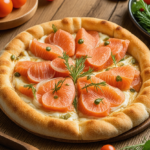 Swedish Spritz with Its Thin Crust and Savory Toppings: A Delicious Twist in Pizza Styles
 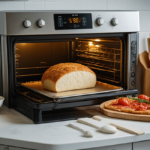 Mastering Oven Temperatures: The Key to Perfect Baking Every Time
 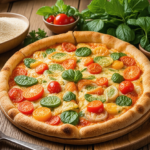 Creative Ways to Make Gluten-Free Pizza Crusts: Elevate Your Pizza Experience
 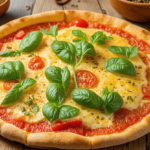 Unlocking Flavor: The Art of Incorporating Herbs and Spices into Pizza for a Burst of Taste
  Sicilian Pizza: A Delicious Dive into Thick, Square Slices and Its Rich History
  Croatian Pizza with Mediterranean Influences: A Culinary Journey
  Roman Pizza al Taglio and Its Rectangular Slices: A Deep Dive into Tradition, Technique, and Tastes
  Neapolitan Pizza: The Art of Authentic Preparation
  The Evolution of New York Thin-Crust Pizza: A Culinary Heritage of Flavor and Tradition
  The Influence of Italian Immigrants on Global Pizza Culture
  New York-Style Thin Crust Pizza: The Iconic Street Food of the Big Apple
  Discover the Bold Flavors of Serbian Pizza with Spicy Sausage and Peppers
  Brazilian Pizza with Unique Tropical Ingredients: A Delicious Fusion of Flavors