
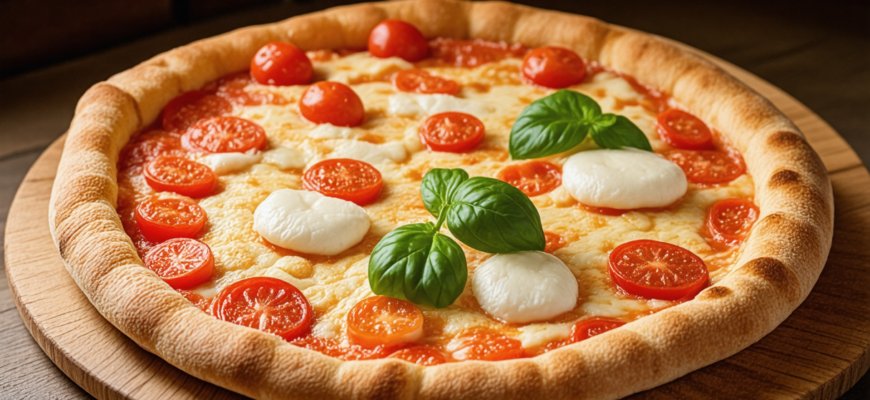
Neapolitan pizza, renowned worldwide for its simplicity, flavor, and rich history, stands as a quintessential symbol of Italian culinary tradition. Its roots trace back centuries to the vibrant streets of Naples, where humble ingredients and time-honored techniques create a culinary masterpiece beloved across the globe. In this comprehensive article, unravel the origins of Neapolitan pizza, explore its authentic preparation methods, ingredients, and the reasons behind its unique characteristics. Whether you’re a professional chef, a passionate home cook, or simply an enthusiastic pizza lover, understanding the intricacies of authentic Neapolitan pizza elevates the experience of crafting and enjoying this iconic dish.
- History and Origins of Neapolitan Pizza
- The Birth of a Classic
- The Evolution Over Centuries
- UNESCO Intangible Cultural Heritage
- Key Characteristics of Authentic Neapolitan Pizza
- Distinct Features
- Signature Flavors and Texture
- Essential Ingredients for Traditional Neapolitan Pizza
- 1. Flour
- 2. Water
- 3. Salt
- 4. Yeast
- 5. Fresh Mozzarella
- 6. San Marzano Tomatoes
- 7. Extra Virgin Olive Oil
- 8. Fresh Basil
- Authentic Preparation Methods
- Step 1: Preparing the Dough
- Ingredients:
- Process:
- Step 2: Shaping the Pizza
- Technique:
- Step 3: Preparing the Toppings
- Ingredients:
- Process:
- Step 4: Baking
- Traditional Method:
- Alternative Method (Conventional Oven):
- Tips for Achieving Authenticity
- Use the Right Oven
- Maintain Strict Ingredient Quality
- Handle the Dough Properly
- Avoid Overloading Toppings
- Common Variations in Neapolitan Pizza
- Margherita
- Marinara
- Other Regional Variations
- Nutritional Aspects and Serving Suggestions
- Health Benefits
- Serving Tips
History and Origins of Neapolitan Pizza
The Birth of a Classic
Neapolitan pizza’s roots date back to the 18th century in Naples, Italy. It emerged as a humble street food among the working-class population, thanks to its affordability and satisfying nature. Early versions of pizza consisted of simple ingredients, mainly bread topped with tomatoes and herbs—an inexpensive yet flavorful meal. Over time, the popularity of these pies grew, and local chefs began experimenting with different toppings and techniques.
The Evolution Over Centuries
By the 19th century, Neapolitan pizza gained recognition beyond local markets, becoming a culinary symbol of Naples. The introduction of fresh mozzarella, basil, and olive oil helped define its classic flavor profile. The world’s fascination with authentic Neapolitan pizza increased in the 20th century, culminating in the establishment of specific standards recognized by culinary institutions such as the Associazione Verace Pizza Napoletana (AVPN).
UNESCO Intangible Cultural Heritage
In 2017, UNESCO officially inscribed Neapolitan pizza-making as part of Italy’s intangible cultural heritage, emphasizing its cultural significance, unique preparation methods, and historical importance.
Key Characteristics of Authentic Neapolitan Pizza
Distinct Features
- Thin, soft, and elastic crust with a slightly chewy center and a raised, airy edge known as “cornicione”
- Minimal toppings that highlight the quality of ingredients
- Prepared with fresh, high-quality ingredients
- Baked at very high temperatures to achieve a perfect char and texture
- Traditionally served in a wood-fired oven
Signature Flavors and Texture
Authentic Neapolitan pizza features a delicate balance of flavors. The dough is subtly tangy with a slightly crispy exterior and a tender, chewy interior. The toppings emphasize freshness: ripe tomatoes, mozzarella di bufala, fresh basil, and extra virgin olive oil. The baking process imparts a characteristic smoky aroma and dark spots on the crust, adding to its unique appeal.
Essential Ingredients for Traditional Neapolitan Pizza
1. Flour
Type “00” highly refined Italian flour is traditionally used. It has a fine grind and high gluten content, which provides the elastic structure necessary for stretching the dough thin while maintaining strength.
2. Water
Pure, room-temperature water is ideal for hydration, contributing to dough elasticity and fermentation process.
3. Salt
Sea salt enhances flavor and strengthens gluten networks within the dough.
4. Yeast
Fresh or active dry yeast is used to ferment the dough, resulting in a light, airy crust with an authentic flavor.
5. Fresh Mozzarella
Traditionally, mozzarella di bufala campana is used for its delicate flavor and creamy texture that melts beautifully during baking.
6. San Marzano Tomatoes
These tomatoes are prized for their sweet, low-acid flavor, making them ideal for the classic tomato sauce.
7. Extra Virgin Olive Oil
A finishing drizzle adds richness and depth to the pizza.
8. Fresh Basil
Used both in the sauce and as a topping to provide aromatic freshness.
Authentic Preparation Methods
Step 1: Preparing the Dough
Ingredients:
| Ingredient | Quantity |
|---|---|
| Flour (“00” type) | 500 g |
| Water | 325 ml (65% hydration) |
| Salt | 10 g |
| Yeast (fresh or dry) | 3 g (or 1 g dry) |
Process:
- Combine yeast with a small amount of water and let activate for 5 minutes.
- In a large mixing bowl, add flour, salt, and the activated yeast mixture.
- Gradually add the remaining water while mixing until a soft, elastic dough forms.
- Knead the dough thoroughly for about 10 minutes to develop gluten.
- Shape into a ball, cover with a damp cloth, and let rise for 2 hours at room temperature, or until doubled in size.
Step 2: Shaping the Pizza
Technique:
- Divide the dough into 2-3 portions if making smaller pizzas.
- On a floured surface, gently stretch the dough with your hands, avoiding a rolling pin to preserve the air pockets.
- Shape into a thin disc (roughly 30-35 cm in diameter), with a thicker edge (cornicione).
Step 3: Preparing the Toppings
Ingredients:
- San Marzano tomato sauce
- Fresh mozzarella di bufala
- Fresh basil leaves
- Extra virgin olive oil
Process:
- Spread a thin layer of tomato sauce evenly over the dough, leaving the edges free.
- Place slices of mozzarella across the sauce, ensuring even coverage but not overcrowding.
- Finish with a few basil leaves and a drizzle of olive oil.
Step 4: Baking
Traditional Method:
- Preheat a wood-fired oven to a temperature of approximately 485°C (905°F). This ultra-high heat is crucial for authentic Neapolitan pizza.
- Slide the topped pizza onto a pizza peel dusted with flour or semolina.
- Bake in the oven for 60-90 seconds, turning as needed to achieve an even char and puffed edges.
Alternative Method (Conventional Oven):
- Preheat your oven to the highest setting (250°C–300°C / 480°F–570°F), ideally with a pizza stone inside for at least 45 minutes.
- Use the same shaping, toppings, and baking process, but expect the baking time to increase to 7-10 minutes.
Tips for Achieving Authenticity
Use the Right Oven
The secret to authentic Neapolitan pizza lies in its baking method. A wood-fired oven provides the intense heat necessary for the characteristic texture and flavor. If unavailable, a pizza stone in a conventional oven is the next best substitute.
Maintain Strict Ingredient Quality
- Use “00” flour for the perfect dough consistency.
- Opt for fresh mozzarella di bufala or fior di latte.
- Choose San Marzano tomatoes for the sauce.
Handle the Dough Properly
- Do not overwork the dough to preserve its elasticity.
- Allow adequate fermentation time for flavor development.
- Use gentle stretching to maintain lightness.
Avoid Overloading Toppings
Less is more. The charm of Neapolitan pizza lies in its simplicity and harmony of flavors. Overloading can compromise the crust’s authenticity and baking process.
Common Variations in Neapolitan Pizza
Margherita
The classic version featuring tomato sauce, mozzarella, basil, and olive oil.
Marinara
Tomato, garlic, oregano, and olive oil without cheese.
Other Regional Variations
- Pizza Quattro Stagioni: divided into four sections with different toppings
- Pizza Primavera: topped with seasonal vegetables
Nutritional Aspects and Serving Suggestions
Health Benefits
Using fresh ingredients and minimal processing makes Neapolitan pizza a relatively wholesome dish rich in antioxidants, healthy fats, and essential nutrients. However, due to its rich cheese and oil content, moderation is advisable.
Serving Tips
- Serve hot immediately after baking for optimal flavor and texture.
- Pair with light red wines or sparkling water.
- Complement with fresh green salads or antipasto.
Authentic Neapolitan pizza is a celebration of tradition, craftsmanship, and high-quality ingredients. Its preparation demands a precise technique, especially in dough handling and baking, to capture its characteristic light, airy crust and vibrant flavors. By adhering to traditional methods—using the right ingredients, baking at high temperatures, and respecting the simplicity of the recipe—pizza enthusiasts can recreate this iconic dish and experience a true taste of Naples in their own kitchens. Embrace the rich history and the meticulous process to enjoy a slice of culinary heritage that has survived centuries and continues to delight palates around the world.