
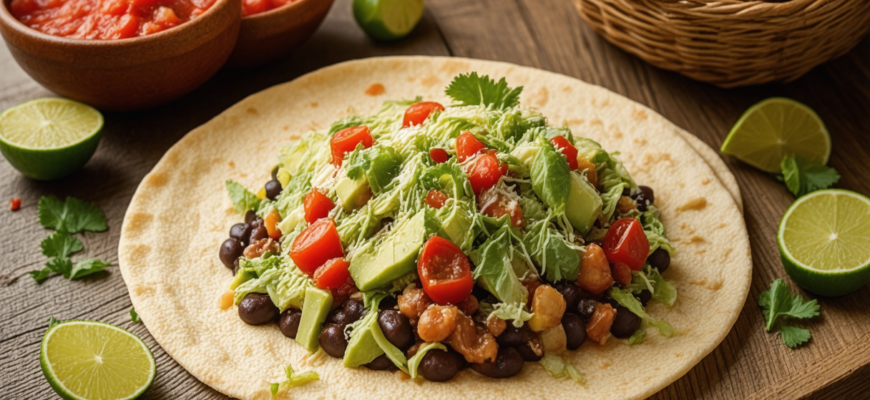
The world of culinary arts is rich with diverse flavors, textures, and traditions. Among the myriad of regional delicacies, the Mexican tlayuda stands out as a rustic, flavorful, and highly customizable dish that embodies the essence of Oaxaca’s culinary heritage. This article explores the origins, preparation, and signature toppings of tlayudas, revealing how this traditional dish compares and complements other popular flatbreads such as pizzas. Whether you are a seasoned chef or an enthusiastic home cook, understanding the nuances of tlayuda offers a gateway into authentic Mexican cuisine and its rustic charm.
- Introduction to Tlayuda: A Mexican Classic
- The History of Tlayuda
- How Is a Tlayuda Made? The Traditional Process
- Ingredients for the Tlayuda Base
- Procedure for Making Tlayuda Dough
- Baking and Assembly
- Signature Toppings: Embracing Rustic Flavors
- Common Tlayuda Toppings
- Customizing Your Tlayuda: Rustic to Gourmet
- Comparing Tlayuda with Pizza and Other Flatbreads
- Similarities and Differences
- Other Flatbreads in World Cuisine
- Nutritional Value and Health Aspects of Tlayuda
- Sample Nutritional Breakdown (per serving)
- Tips for Making the Perfect Tlayuda at Home
- Use Authentic Ingredients
- Keep It Rustic and Simple
- Cooking Techniques
- Celebrating Rustic Mexican Flavors
Introduction to Tlayuda: A Mexican Classic
The tlayuda is often referred to as a Mexican pizza, but this comparison only scratches the surface of its rich cultural significance. Originating from the Oaxaca region, the tlayuda is a large, thin, crispy tortilla made from corn masa. Traditionally, it is baked until golden and crisp, then topped with an array of regional ingredients. Its versatility and hearty nature make it a staple snack, street food, and sometimes a full meal.
The History of Tlayuda
The history of tlayuda dates back to pre-Hispanic Mexico, where indigenous peoples cultivated corn and developed methods to transform it into various culinary staples. The name “tlayuda” comes from the Nahuatl language, meaning “large toasted tortilla.” Over centuries, it evolved into a signature dish of Oaxaca, influenced by local ingredients, indigenous techniques, and Spanish culinary practices.
How Is a Tlayuda Made? The Traditional Process
The preparation of a tlayuda involves several key steps, from making the masa dough to baking and topping. Here, a traditional approach is outlined, emphasizing authenticity and rustic charm.
Ingredients for the Tlayuda Base
- Maize masa harina (corn flour)
- Water
- Salt (optional)
Procedure for Making Tlayuda Dough
- Mix the masa harina with water in a 2:1 ratio until a smooth, pliable dough forms.
- Add a pinch of salt if desired for flavor.
- Cover the dough and let it rest for about 15-20 minutes.
Baking and Assembly
- Preheat a griddle or large griddle pan to medium-high heat.
- Divide the dough into large balls and flatten each into a thin, round disc approximately 30-35 cm in diameter.
- Cook the discs for about 2-3 minutes per side until they develop golden spots and are firm.
- Once baked, spread a layer of refried beans or black bean paste on top.
- Add rustic toppings such as cheese, meats, and vegetables.
- Finish by baking or toasting the assembled tlayuda briefly to meld flavors.
Signature Toppings: Embracing Rustic Flavors
The hallmark of a genuine tlayuda is its toppings, which range from simple to elaborate yet always emphasize fresh, local ingredients. The toppings must complement the crispy base and embody the hearty, robust flavors characteristic of Oaxaca cuisine.
Common Tlayuda Toppings
| Ingredient | Description | Flavor Profile |
|---|---|---|
| Refried Beans | Mashed black beans cooked with lard or oil | Creamy, savory |
| Quesillo (Oaxacan cheese) | Stretchy, mild cheese similar to mozzarella | Salty, mild, creamy |
| Cactus Pads (nopales) | Grilled or sautéed prickly pear pads | Earthy, slightly tart |
| Chorizo | Spicy Mexican sausage, crumbled cooked | Spicy, smoky |
| Scallions and Cilantro | Fresh herbs for aroma and flavor | Fresh, pungent |
| Avocado | Fresh slices or mash | Creamy, rich |
| Salsa | Tomato or green salsa, homemade or store-bought | Tangy, spicy |
| Meats (Optional) | Sliced grilled beef, pork, or chicken | Savory, hearty |
Customizing Your Tlayuda: Rustic to Gourmet
While the classic toppings are beloved, modern variations often incorporate local produce, innovative cheeses, or international ingredients, creating a spectrum from rustic to gourmet. Despite these modifications, the essence of a tlayuda lies in its simple, bold flavors and hand-crafted appeal.
Comparing Tlayuda with Pizza and Other Flatbreads
Similarities and Differences
The comparison between tlayuda and pizza is common due to their shared aspects—flatbreads topped with various ingredients. However, several key differences distinguish them:
| Aspect | Tlayuda | Pizza |
|---|---|---|
| Base | Crispy corn tortilla (maize-based) | Leavened wheat dough |
| Origin | Mexico, Oaxaca region | Italy, Naples |
| Texture | Crunchy and rigid | Soft, chewy crust |
| Flavor Profile | Earthy, smoky, rustic | Varies from savory to sweet |
| Tradition | Street food, rural household dishes | Gourmet and fast food |
| Common Toppings | Beans, cheese, meats, herbs, vegetables | Cheese, tomato sauce, meats, vegetables, herbs |
Other Flatbreads in World Cuisine
Beyond tlayuda and pizza, the world offers a variety of flatbreads, each with unique traditions:
- Piadina (Italy): Thin, unleavened bread often stuffed with meats and cheeses.
- Focaccia (Italy): Thick, olive oil-rich bread topped with herbs, vegetables, or cheese.
- Socca (France): Chickpea flour flatbread popular in Provence.
- Lavash (Armenia): Soft or crispy thin bread, often used for wraps.
Nutritional Value and Health Aspects of Tlayuda
Understanding the nutritional component of tlayuda involves analyzing its ingredients. The base—corn masa—provides complex carbohydrates, dietary fiber, and essential minerals such as magnesium and zinc. The toppings add proteins (cheese, meats), vitamins (vegetables, herbs), and fats.
Sample Nutritional Breakdown (per serving)
| Nutrient | Amount | Remarks |
|---|---|---|
| Calories | Approximately 350-500 kcal | |
| Protein | 15-20 grams | |
| Carbohydrates | 50-60 grams | |
| Fats | 10-20 grams | |
| Fiber | 5-8 grams |
Tips for Making the Perfect Tlayuda at Home
Use Authentic Ingredients
- Choose high-quality maize masa harina for the base.
- Use fresh, authentic Oaxaca cheese or suitable local alternatives.
- Incorporate fresh herbs and vegetables for flavor and nutrition.
Keep It Rustic and Simple
Embrace the rustic nature of tlayuda by avoiding overly processed ingredients or complicated toppings. Focus on preparing each component with fresh ingredients, and let the natural flavors shine.
Cooking Techniques
- Ensure the tortilla is evenly cooked until crispy but not burnt.
- Preheat the oven or griddle thoroughly for an even bake or toast.
- Assemble toppings just before serving to maintain crunchiness.
Celebrating Rustic Mexican Flavors
The tlayuda exemplifies the raw, rustic charm of Mexican culinary traditions. Its hearty base and diverse toppings allow for endless customization, celebrating local ingredients and indigenous techniques. While often compared to pizza, the tlayuda’s distinct corn-based foundation and earthy flavor profile make it a unique experience for the palate. Whether served as street food or at a festive gathering, tlayuda remains a testament to Oaxaca’s rich cultural heritage and culinary ingenuity. Exploring this dish offers not only a taste of authentic Mexican cuisine but also an appreciation for the rustic, communal approach to cooking that defines so many traditional recipes around the world.
Похожие записи:
 Roman Pizza al Taglio and Its Rectangular Slices: A Deep Dive into Tradition, Technique, and Tastes
  Japanese Okonomiyaki with Pizza-Like Toppings: A Fusion of Flavors and Culinary History
  Sicilian Pizza: A Delicious Dive into Thick, Square Slices and Its Rich History
  Chicago Deep-Dish Pizza and Its Hearty Layers: A Delicious Journey into Its Unique Structure
  Calzone: The Folded Pizza from Italy – A Delicious Journey into Italian Cuisine
  Neapolitan Pizza: The Art of Authentic Preparation
  Margarita Pizza: Italy’s Timeless Classic
  New York-Style Thin Crust Pizza: The Iconic Street Food of the Big Apple
  French Pissaladière with Caramelized Onions and Anchovies: A Classic Cuisine Delight
  Lebanese Manakish with Za’atar and Cheese: A Delicious Twist on Traditional Pizzas