
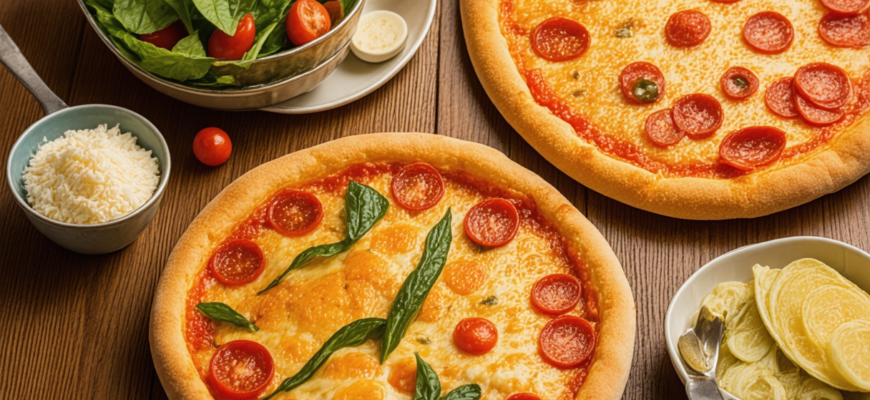
When it comes to enjoying pizza as part of a balanced diet, many overlook the nutritional intricacies behind this beloved dish. While pizza is undeniably a culinary masterpiece loved across the globe, its nutritional composition—particularly the balance between fats and carbohydrates—plays a crucial role in health, weight management, and overall well-being. Understanding how to maintain an optimal ratio of fats and carbs in pizza diets is essential for those seeking to indulge without compromising their health goals. This article explores the intricate relationship between fats and carbohydrates in pizza, the impact on health, and practical tips to craft nutritious, delicious pizza options that fit into a balanced diet.
- Understanding the Nutritional Composition of Pizza
- Key Nutrients in Pizza
- Nutritional Variability in Different Types of Pizza
- The Role of Fats and Carbohydrates in a Healthy Diet
- Understanding Macronutrients
- The Impact of Excessive Intake
- Why Balancing Fats and Carbohydrates Matters in Pizza Diets
- Influence on Weight Management
- Impact on Blood Sugar and Energy Levels
- Cardiovascular and Overall Health
- Strategies for Creating Balanced Pizza Diets
- Choose the Right Base
- Balance Toppings with Nutritional Value
- Control Portion Sizes
- Incorporate Healthy Fats
- Practical Recipes for Balanced Pizza
- Healthy Whole Grain Vegetable Pizza
- Cauliflower Crust Pizza with Seafood
- Mathematical Approach to Balancing Fats and Carbohydrates
- Calculating Macronutrient Ratios
- Sample Formula for Nutritional Balance
- Summary and Key Takeaways
Understanding the Nutritional Composition of Pizza
Key Nutrients in Pizza
Pizza is a complex amalgam of various ingredients, each contributing different nutrients:
- Carbohydrates: Primarily from the crust, which is usually made from wheat flour, providing energy.
- Fats: From cheese, oils, meats, and toppings, essential for flavor and energy storage.
- Proteins: Mainly from cheese and meats.
- Vitamins and Minerals: Present in vegetables, meats, and cheese, such as calcium, iron, vitamin A, and others.
Nutritional Variability in Different Types of Pizza
Different styles and toppings significantly influence the nutritional profile:
| Type of Pizza | Crust Type | Toppings | Approximate Calories per Slice | Fat Content | Carbohydrate Content |
|---|---|---|---|---|---|
| Neapolitan | Thin, soft dough | Tomato, mozzarella, basil | 200-250 | 8-12g | 25-30g |
| Chicago Style | Deep-dish, thick pastry | Cheese, meats, vegetables | 400-500 | 20-30g | 40-50g |
| Vegetarian | Various, often whole grain or gluten-free | Vegetables, cheese | 250-300 | 10-15g | 30-35g |
The Role of Fats and Carbohydrates in a Healthy Diet
Understanding Macronutrients
In balanced nutrition, fats and carbohydrates are vital macronutrients, each serving distinct functions:
- Carbohydrates: The primary energy source, especially essential for brain function and physical activity.
- Fats: Vital for hormone production, cell structure, and absorbing fat-soluble vitamins.
The Impact of Excessive Intake
Overconsumption or imbalance of fats and carbs can lead to health issues like weight gain, insulin resistance, cardiovascular diseases, and metabolic disorders. Specific to pizza, excessive fats, especially saturated and trans fats, can raise LDL cholesterol, while too many refined carbs may cause blood sugar spikes.
Why Balancing Fats and Carbohydrates Matters in Pizza Diets
Influence on Weight Management
The caloric density of pizza heavily depends on its fat and carbohydrate content. An unbalanced pizza high in fats and refined carbs can easily lead to caloric excess, making weight management challenging. Conversely, a carefully balanced pizza can satisfy hunger and provide necessary nutrients without excess calories.
Impact on Blood Sugar and Energy Levels
High carbohydrate content, especially from refined flours, can lead to rapid blood sugar spikes and crashes, causing fatigue and cravings. Incorporating healthy fats can slow absorption, promote sustained energy, and reduce hunger pangs.
Cardiovascular and Overall Health
Excess saturated and trans fats contribute to arteriosclerosis and heart disease risk. Balancing with healthy fats such as omega-3 fatty acids and monounsaturated fats, alongside moderate carbohydrate intake, supports cardiovascular health.
Strategies for Creating Balanced Pizza Diets
Choose the Right Base
Opt for whole grain, rye, or cauliflower crusts to increase fiber, reduce refined carbohydrate intake, and improve satiety. These alternatives also influence the proportion of fats and carbs, often lowering the glycemic index of the pizza.
Balance Toppings with Nutritional Value
- Prefer lean proteins like chicken or seafood over high-fat meats.
- Use a variety of vegetables to boost fiber, vitamins, and minerals.
- Limit high-fat cheese or opt for reduced-fat varieties.
Control Portion Sizes
Monitoring portion sizes ensures caloric intake stays within healthy ranges and prevents overconsumption of fats and carbs. Sharing pizza or cutting into smaller slices can be effective strategies.
Incorporate Healthy Fats
Add ingredients like olive oil, nuts, or seeds to boost healthy fat content, which promotes better heart health and satiety.
Practical Recipes for Balanced Pizza
Healthy Whole Grain Vegetable Pizza
Ingredients:
- Whole grain pizza base
- Low-fat cheese
- Fresh tomatoes, bell peppers, spinach, mushrooms
- Olive oil (a drizzle)
- Herbs and spices
Preparation: Spread a thin layer of olive oil on the crust, add cheese and vegetables, season with herbs, and bake at 200°C for 15-20 minutes.
Cauliflower Crust Pizza with Seafood
Ingredients:
- Cauliflower crust
- Tomato sauce with herbs
- Seafood (shrimp, crab)
- Light mozzarella cheese
- Olive oil and lemon for flavor
Preparation: Spread sauce, layer seafood and cheese, bake at 180°C for 20 minutes. Garnish with lemon juice and olive oil before serving.
Mathematical Approach to Balancing Fats and Carbohydrates
Calculating Macronutrient Ratios
To optimize pizza based on nutritional goals, understanding ratios is vital. The typical macronutrient distribution for a balanced meal is approximately:
- Carbohydrates: 45-55%
- Fats: 20-35%
- Proteins: 15-25%
Sample Formula for Nutritional Balance
The total caloric content (Calories) from fats and carbs can be calculated as:
Total Calories = (Grams of fats × 9) + (Grams of carbs × 4)
Where the goal is to keep the ratio within acceptable ranges to promote health and satiety:
- Fats (g) = 20-35% of total Calories
- Carbohydrates (g) = 45-55% of total Calories
Summary and Key Takeaways
Balancing fat and carbohydrate content in pizza diets is critical for maintaining good health, managing weight, and preventing chronic diseases. By selecting appropriate crusts, toppings, controlling portion sizes, and incorporating healthy fats, it is possible to enjoy pizza without adverse effects. Understanding the nutritional composition and applying mathematical calculations for macronutrient ratios can help craft pizza recipes aligned with personal health goals.
Pizza, a universal comfort food, can be integrated into a nutritious diet through mindful choices that emphasize balance. Achieving an optimal ratio of fats and carbohydrates not only enhances health benefits but also allows for culinary enjoyment. By making informed decisions in ingredient selection, preparation, and portion control, pizza enthusiasts can indulge in their favorite dish while supporting their overall well-being.
Похожие записи:
 How Pizza Can Be Adapted for Low-Carb and Ketogenic Diets: Delicious Alternatives for Every Taste
  Balancing Macronutrients in Homemade Pizza Recipes: A Complete Guide
  The Importance of Portion Control for Healthy Pizza Consumption
  The Importance of Balanced Micronutrients in Pizza Creation
  The Effects of High Sodium Content in Certain Pizza Recipes: What You Need to Know
  Creating Balanced Pizza Recipes That Support Weight Management
  Unlocking the Secrets of Traditional Pizza: Nutritional Components and Their Impact on Health
  The Benefits of Fiber-Rich Crusts for Sustained Energy Release
  Mastering Gluten-Free and Keto-Friendly Pizza Bases: Delicious Recipes and Tips
  Innovative Strategies to Enhance Pizza’s Nutritional Value Without Increasing Calories
  How to Make Pizza a Part of a Heart-Healthy Diet
  How to Make Pizza a Guilt-Free Indulgence with Nutritious Ingredients
  The Impact of Cheese Types on Pizza’s Nutritional Profile
  How to Create High-Protein Pizza Options for Muscle Repair and Growth
  The Rise of Healthy and Alternative Pizza Options: A Delicious Revolution
  The Impact of Dietary Fiber on Blood Sugar Management: A Comprehensive Guide