
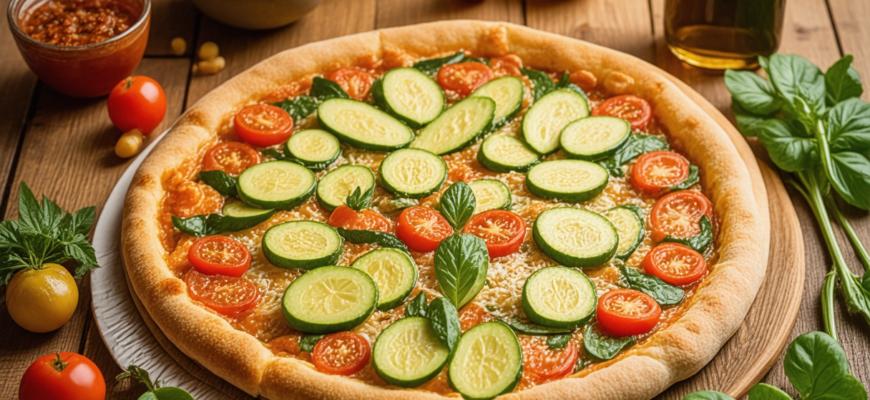
Pizza is one of the most beloved comfort foods worldwide, celebrated for its versatility, rich flavors, and satisfying textures. However, traditional pizza recipes often feature high-calorie, processed ingredients that can lead to guilt and nutritional concerns. Fortunately, modern culinary approaches allow you to create delicious, satisfying pizza dishes that align with healthy eating goals.
Transforming pizza into a nutritious and guilt-free pleasure involves thoughtful ingredient choices, creative preparation methods, and balanced recipes that satisfy both the palate and the body’s nutritional needs. This comprehensive guide will explore how to craft wholesome pizzas that are tasty, nourishing, and guilt-free, suitable for any dietary preference or lifestyle.
- Understanding the Components of a Healthy Pizza
- 1. The Crust
- 2. The Sauce
- 3. The Toppings
- Strategies for Preparing Nutritious, Guilt-Free Pizza
- 1. Choosing Whole Grain and Alternative Flours
- 2. Enhancing the Sauce
- 3. Selecting Wholesome Toppings
- Step-by-Step Guide to Making a Nutritious Guilt-Free Pizza at Home
- Ingredients:
- Preparation:
- Nutritional Benefits of a Guilt-Free Pizza
- Nutrition Calculations and Tips for Maintaining Balance
- Sample Nutritional Breakdown (per slice):
- Tips to Keep Pizza Guilt-Free:
- Creative Variations for Nutritious, Guilt-Free Pizzas
- 1. Cauliflower Crust Pizza
- 2. Lentil or Bean-Based Crust
- 3. Sweet Potato Crust
- Making Pizza a Healthy and Satisfying Delight
- References
Understanding the Components of a Healthy Pizza
1. The Crust
The foundation of any pizza, the crust, plays a crucial role in the overall healthfulness of the dish. Traditional pizza crusts are often made with refined white flour, leading to high glycemic indices and reduced nutritional value. A guilt-free approach emphasizes using whole grain flours, alternative nutritious options, or even vegetable-based bases.
2. The Sauce
The sauce adds flavor, moisture, and nutritional benefits. Classic tomato sauce provides antioxidants like lycopene and vitamins. However, many commercial sauces contain added sugars and preservatives. Making homemade sauces with fresh ingredients allows better control over sugar content and enhances flavor and nutritional profile.
3. The Toppings
The selection of toppings determines the nutritional density of the pizza. Incorporating a variety of vegetables, lean proteins, and healthy fats ensures a balanced dish. Limiting processed meats and high-fat cheeses helps maintain a calorie-conscious and health-oriented recipe.
Strategies for Preparing Nutritious, Guilt-Free Pizza
1. Choosing Whole Grain and Alternative Flours
- **Whole Wheat Flour:** Rich in fiber, vitamins, and minerals, it enhances satiety and digestive health.
- **Spelt or Kamut Flour:** Ancient grains with higher protein content and better digestibility.
- **Almond or Hazel Nut Flour:** Gluten-free options high in healthy fats and proteins.
- **Cauliflower or Vegetable-Based Crusts:** Low-carb, rich in fiber, and adding vegetable nutrients.
2. Enhancing the Sauce
- Use fresh tomatoes, garlic, and herbs for a flavorful base.
- Avoid added sugars by sweetening with natural ingredients like grated carrots or a touch of honey.
- Additions like spinach or basil boost antioxidant levels.
3. Selecting Wholesome Toppings
- **Vegetables:** Bell peppers, mushrooms, spinach, zucchini, onions, eggplants, and broccoli provide fiber, vitamins, and minerals.
- **Lean Proteins:** Grilled chicken, turkey, shrimp, or plant-based options like tofu and tempeh.
- **Healthy Fats:** Avocado slices, a drizzle of olive oil, or nuts sprinkled on top.
- **Cheese:** Opt for lower-fat varieties like part-skim mozzarella or nutritional yeast for a cheesy flavor without excess fat.
Step-by-Step Guide to Making a Nutritious Guilt-Free Pizza at Home
Ingredients:
- 1 ½ cups whole wheat flour (or alternative flour)
- ½ cup warm water
- 1 tbsp olive oil
- 1 tsp salt
- ½ tsp yeast (optional, for leavening)
- Tomato sauce (homemade preferred)
- Assorted vegetables: bell peppers, mushrooms, spinach
- Lean protein: grilled chicken or tofu
- Cheese: low-fat mozzarella or nutritional yeast
- Herbs and spices: basil, oregano, black pepper
Preparation:
- Prepare the crust: Mix whole wheat flour, salt, and yeast in a bowl. Gradually add warm water and olive oil, kneading until smooth. Let rise for 15-20 minutes if using yeast. Roll out dough into desired shape.
- Make the sauce: Blend fresh tomatoes, garlic, herbs, and a pinch of salt. Simmer for 10-15 minutes until thickened. For quicker prep, use store-bought sauces with no added sugars.
- Assemble the pizza: Spread sauce evenly over the crust. Top with vegetables and lean proteins. Sprinkle cheese or nutritional yeast evenly over toppings.
- Bake: Place the assembled pizza in a preheated oven at 220°C (430°F) for about 15-20 minutes, or until crust is golden and cheese is bubbly.
Nutritional Benefits of a Guilt-Free Pizza
Crafted with wholesome ingredients, guilt-free pizza offers several health advantages:
- High Dietary Fiber: Whole grain crusts and vegetable toppings promote digestion and satiety.
- Rich in Vitamins and Antioxidants: Fresh vegetables and herbs provide vitamins A, C, K, and a variety of phytonutrients.
- Protein for Muscle Maintenance: Lean meats and plant-based proteins support muscle repair and overall health.
- Healthy Fats: Olive oil and nuts supply monounsaturated and polyunsaturated fats beneficial for heart health.
- Low Glycemic Index: Alternative flours and vegetable-based toppings help maintain stable blood sugar levels.
Nutrition Calculations and Tips for Maintaining Balance
Sample Nutritional Breakdown (per slice):
| Component | Approximate Content |
|---|---|
| Calories | 150-200 kcal |
| Protein | 8-12 g |
| Carbohydrates | 20-30 g |
| Fats | 5-8 g |
| Fiber | 4-6 g |
Tips to Keep Pizza Guilt-Free:
- Control portion sizes—limit to 1-2 slices per serving.
- Incorporate more vegetables than cheese or processed meats.
- Use moderation in cheese quantity; opt for low-fat varieties.
- Pair pizza with a side salad to increase fiber and micronutrient intake.
- Combine homemade pizza with a balanced diet throughout the day.
Creative Variations for Nutritious, Guilt-Free Pizzas
1. Cauliflower Crust Pizza
The cauliflower crust offers a low-carb, nutrient-dense alternative with a delicate flavor that complements various toppings. To prepare:
- Grate a head of cauliflower and remove excess moisture.
- Mix with egg, cheese (optional), and seasonings.
- Press into a crust shape and bake until golden.
- Add toppings and bake again until cheese melts.
2. Lentil or Bean-Based Crust
Lentil flour or pureed cooked lentils can be used to make another high-protein, fiber-rich crust, suitable for vegan and gluten-free diets.
3. Sweet Potato Crust
Mashed sweet potatoes combined with oats or almond flour create a subtly sweet, nutritious base that pairs well with savory toppings.
Making Pizza a Healthy and Satisfying Delight
Pizza, long associated with indulgence and high calories, can be transformed into a wholesome, nourishing meal without sacrificing flavor. By choosing nutritious ingredients, experimenting with alternative bases, and emphasizing vegetables and lean proteins, it is possible to enjoy pizza as part of a balanced diet. Not only does this approach satisfy cravings for comfort food, but it also supports overall health and well-being.
As culinary creativity continues to evolve, the possibilities for guilt-free, nutritious pizzas are virtually limitless. Whether for a quick weeknight dinner or a special occasion, these recipes and tips provide a foundation for making healthier choices without compromising on taste or satisfaction.
References
- Food and Nutrition Data. (2023). Nutritive value of whole grains. USDA.
- Harvard T.H. Chan School of Public Health. (2023). The benefits of fiber in the diet.
- Journal of Food Science. (2022). The impact of vegetable toppings on pizza nutrition.
- Healthy Eating Guide. (2023). Low-carb pizza recipes and tips.
Похожие записи:
 Creative Ways to Make Gluten-Free Pizza Crusts: Elevate Your Pizza Experience
  The Rise of Gluten-Free and Vegan Pizza Options: A Delicious Revolution
  Mastering Gluten-Free and Keto-Friendly Pizza Bases: Delicious Recipes and Tips
  Brazilian Pizza with Unique Tropical Ingredients: A Delicious Fusion of Flavors
  Innovative Approaches to Pizza Crusts: Enhancing Nutrition with Alternative Flours
  Innovative Strategies to Enhance Pizza’s Nutritional Value Without Increasing Calories
  Effective Strategies to Reduce Unhealthy Fats in Pizza Preparation
  The Role of Local Ingredients in Regional Pizza Recipes: A Culinary Journey Across Cultures
  How Pizza Can Be Adapted for Low-Carb and Ketogenic Diets: Delicious Alternatives for Every Taste
  Enhancing Pizza with High-Antioxidant Toppings for Better Health
  How to Make Pizza a Part of a Heart-Healthy Diet
  Balancing Macronutrients in Homemade Pizza Recipes: A Complete Guide
  Creating Balanced Pizza Recipes That Support Weight Management
  The Benefits of Fiber-Rich Crusts for Sustained Energy Release
  How to Create High-Protein Pizza Options for Muscle Repair and Growth
  The Benefits of Adding Nuts and Seeds to Pizza Toppings